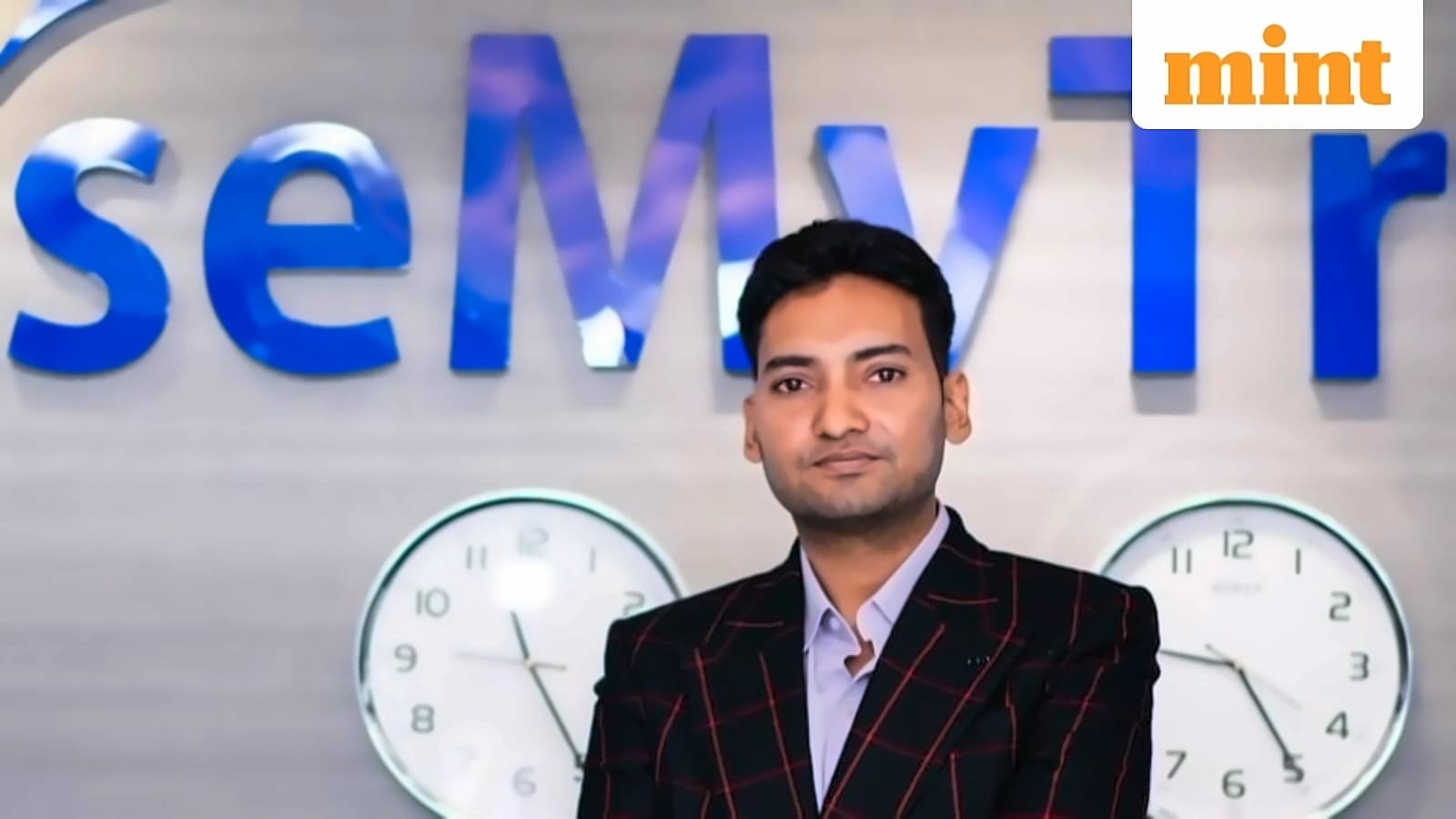
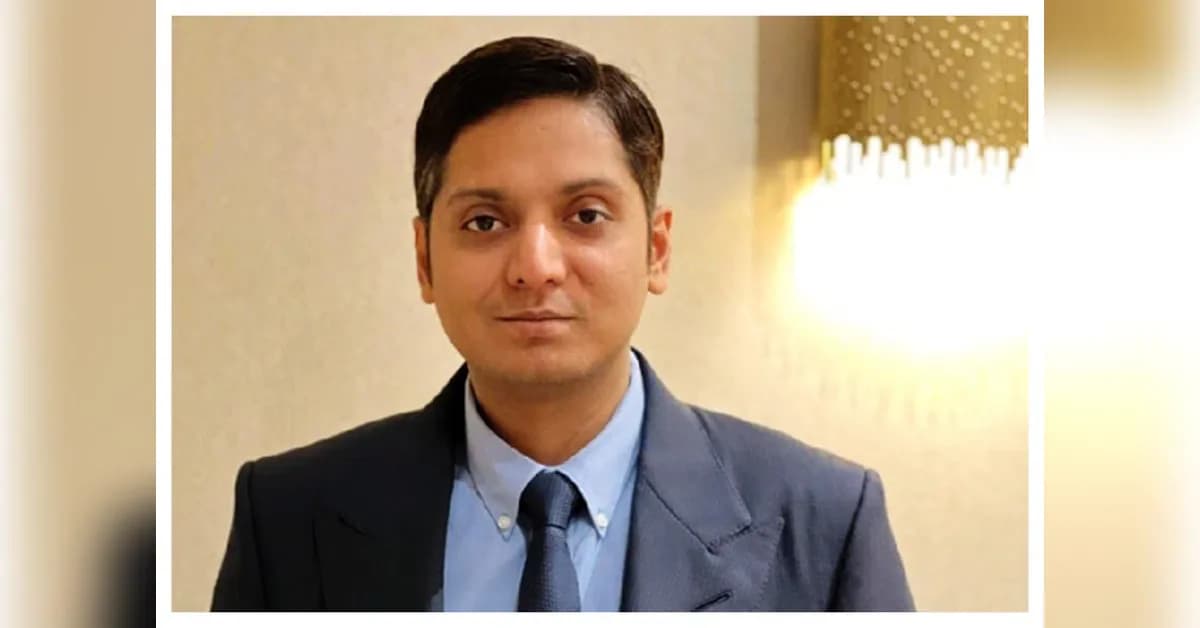
Travel booking platform EaseMyTrip remains committed to long-term growth, operational agility, and strengthening its overall business ecosystem, according to CEO and Co-Founder Rikant Pittie. As reported by PTI, Pittie highlighted Indians' strong appetite for domestic tourism, with nearly 90 per cent of EaseMyTrip's revenue coming from the segment. "Indian travellers today are showing far greater interest in cultural, spiritual, experiential and regional tourism within the country," Pittie stated. The company continues to operate with a strong professional leadership structure and experienced management team despite recent leadership changes with brothers Nishant and Prashant stepping down as CEO and Managing Director last year.
Through its CSR arm EaseMyTrip Foundation, the company recently opened the 'Savee' cafeteria at Delhi's Qutub Minar complex under the government's 'Adopt a Heritage' programme in partnership with the Archaeological Survey of India. According to PTI reports, Pittie emphasized the company's vision for strong long-term potential for similar visitor-centric initiatives across India's heritage landscape. The initiative demonstrates EaseMyTrip's commitment to supporting heritage tourism development beyond its core travel booking services.
EaseMyTrip is investing significantly in artificial intelligence to enhance travel services, improve personalisation and strengthen its digital platform amid growing competition in the online travel sector. As reported by PTI, this strategic investment reflects the company's focus on maintaining competitive advantages through technological innovation. The AI initiatives are designed to enhance user experience and service delivery across the platform's various offerings.
As part of its expansion strategy, EaseMyTrip completed five acquisitions through share-swap transactions in November 2025, with a total deal value of ₹514 crore. According to PTI reports, the acquisitions were chosen based on long-term strategic relevance, aimed at strengthening consumer engagement and building a more integrated travel ecosystem rather than pursuing expansion without focus. "Our approach has always been focused on building a stronger and more integrated travel ecosystem, not expansion for the sake of growth," Pittie explained.