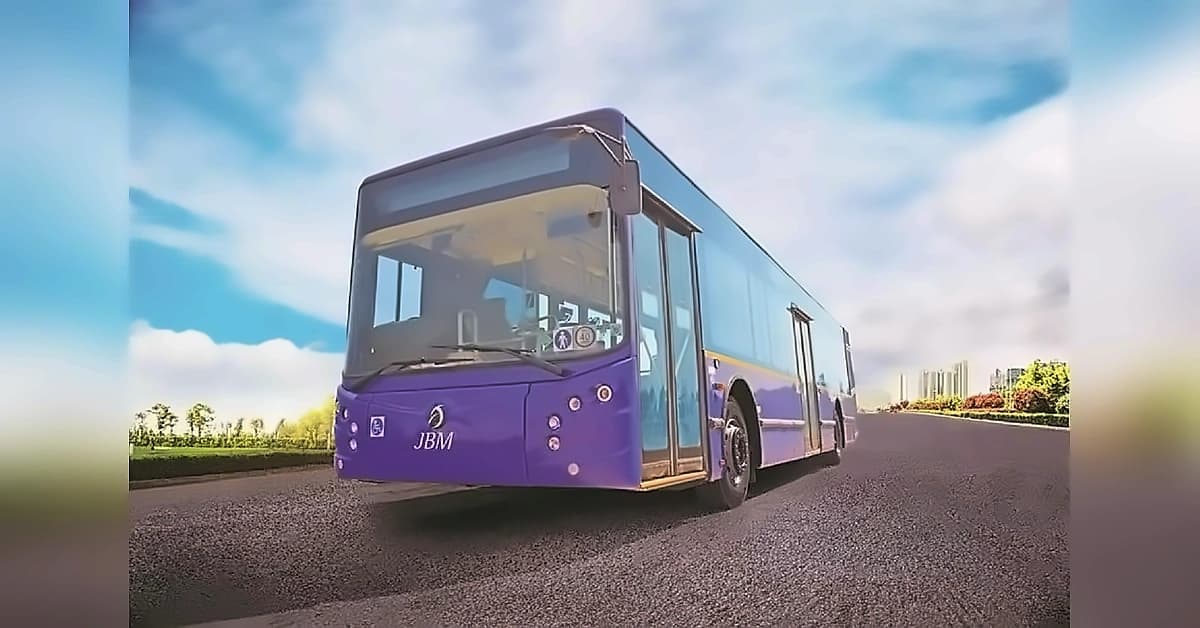
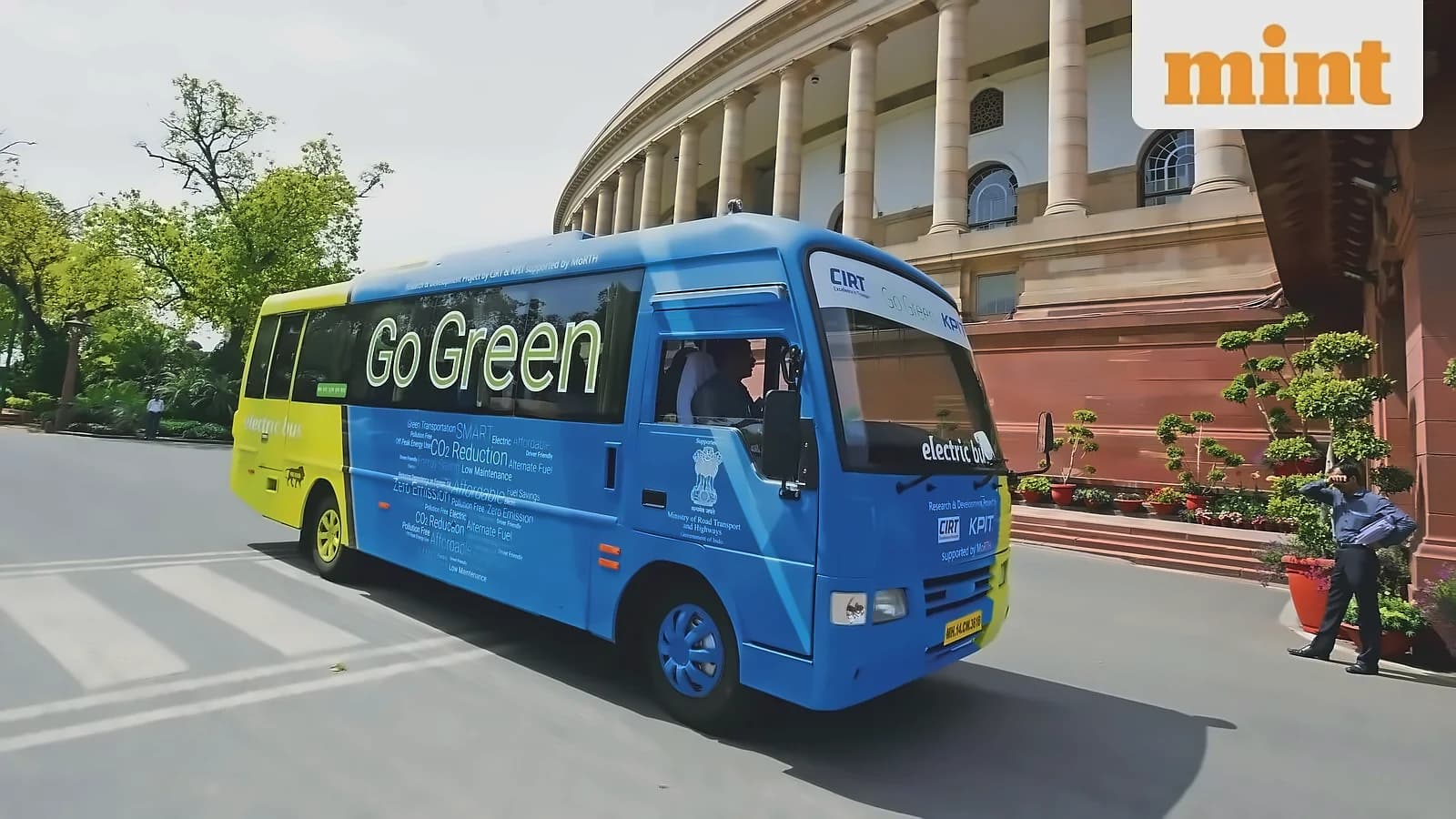
India's electric bus penetration in the medium and heavy commercial vehicle segment is expected to rise to around 30 per cent by FY30 from the current 7 per cent, according to a report by rating agency Icra. The agency estimates that if the entire fleet of around 150,000 buses operated by public transport authorities is electrified over the next decade, it would require a capital investment of nearly ₹1.5 trillion. Despite sharp sales growth, e-buses account for only around 7 per cent of the medium and heavy bus market, with sales increasing from just 37 units in FY18 to 5,412 units in FY26.
The growth has been supported by successive government schemes, including FAME-I, FAME-II, the National Electric Bus Programme, PM eBus Sewa and PM E-Drive, which together target the deployment of over 80,000 electric buses with budgetary support of around ₹1 trillion through FY28. According to Icra, adoption has so far been concentrated in five states — Delhi, Maharashtra, Karnataka, Gujarat and Telangana — which account for nearly 75 per cent of the e-buses deployed in the country. The agency expects adoption to accelerate as fresh tenders under the PM E-Drive scheme gather pace.
Despite higher upfront costs, electric buses continue to offer compelling economics. Icra estimates that a 12-metre air-conditioned e-bus, priced at around ₹1 crore, has a total cost of ownership of about ₹39 per kilometre, compared with ₹51 per kilometre for a diesel bus and ₹48 per kilometre for a compressed natural gas (CNG) bus after accounting for subsidies. The report highlights the importance of the gross cost contract (GCC) model, under which operators own and maintain the buses while PTAs pay them a fixed per-kilometre fee, with rated projects performing well and daily operations exceeding contracted kilometre commitments.
The recently introduced Payment Security Mechanism (PSM), implemented through Convergence Energy Services Limited (CESL) and backed by a direct debit mandate linked to state government accounts, could significantly improve the sector's credit profile by ensuring timely payments to operators. While the PSM has yet to be tested because most projects are still under deployment, its presence has already boosted confidence among operators and financiers by providing assurance that payment delays by state transport undertakings can be addressed through a dedicated fund backed by CESL and the Reserve Bank of India. However, execution delays and payment risks continue to weigh on the sector, with several projects facing commercialisation delays of six months to one year due to slow depot handover by transport authorities.
Private-sector adoption of electric buses is expected to remain gradual, with operators facing concerns around charging infrastructure, higher upfront costs and uncertain passenger demand. Unlike GCC projects, private operators do not have assured revenue visibility, making adoption slower despite favourable lifecycle economics. The report notes that while the entry of large strategic and financial investors, including Tata Motors, Ashok Leyland, JSW, KKR, IFC and NIIF-backed platforms, along with falling battery prices, is strengthening the sector's long-term growth prospects, dependence on imported battery cells and components continues to pose challenges for localisation.