Devyani International Ltd. delivered exceptional Q1 FY27 results that significantly exceeded market expectations and drove strong investor confidence. According to the latest earnings call transcript, consolidated revenue rose 17% year-over-year to ₹1,581 crore, while operating EBITDA reached a record high of ₹151 crore, up 38% YoY. The company achieved operating EBITDA margin of 9.6% of revenue, demonstrating remarkable operational efficiency despite challenging cost pressures from higher crude prices, LPG inflation, and a weaker rupee. Devyani International shares surged 4.2% to $118.50 from the previous close of $113.72, moving above the midpoint of its 52-week range of $91.55 to $191. The strong performance reflects broad-based growth across the restaurant portfolio, led by KFC's continued momentum and improved brand contribution margins. As per Investing.com analysis, the quarter appears stronger than recent patterns at some of the company's weaker brands, especially Pizza Hut, with management remaining cautious on outlook which may have kept expectations in check.
KFC emerged as the primary growth engine during the quarter, demonstrating the effectiveness of the company's strategic initiatives. According to the earnings call, KFC revenue grew 11.7% year-over-year to ₹684 crore with same-store sales growth of 3.3%, marking a significant improvement from previous quarters. Management highlighted that offline salience improved to 57% from 54% a year earlier, reflecting the deliberate shift toward dine-in traffic and better store-level economics. The brand's brand contribution reached ₹224 crore, up nearly 26% YoY, with brand contribution margin expanding to 16.9%, up from 14.2% in the previous quarter. The company added 11 net new stores during the quarter, bringing the total to 794 locations, while average daily sales recovered to ₹98,000, matching Q1 FY26 levels after a seasonal dip in Q4 FY26. Management expects KFC same-store sales growth of 5% to 6% over time and targets reaching 105,000 to 110,000 in average daily sales within 1.5 to 2 years if the growth rate holds. Management described the target as dependent on a more stable macroeconomic backdrop, with the company pushing more traffic to dine-in stores and less to discount-led delivery.
Pizza Hut showed continued sequential improvement despite remaining a weaker brand in the portfolio. As reported in the earnings call, Pizza Hut revenue was ₹184 crore with same-store sales improving sequentially to negative 2.2%, representing a significant improvement from previous quarters. However, the brand closed 13 net stores during the quarter, ending at 626 locations, as part of a comprehensive turnaround strategy. The brand recorded negative brand contribution of -1.9%, though gross margins stayed strong at 76.3%. Average daily sales of ₹32,000 showed modest improvement from the prior quarter. Management emphasized a 'back to basics' reset focused on product quality, innovation and clearer pricing to restore profitability. The company is implementing this strategy with new product introductions like 'Crafted Flatzz' as a 'new way to pizza' with a focus on 'light on crust, big on flavour' to differentiate the brand and attract customers. Management noted that Pizza Hut's challenges stem partly from a fragmented decision-making structure among Devyani, Sapphire Foods, and Yum Brands, which has slowed innovation. The pending merger is expected to enable more aggressive product development and marketing.
Devyani's own brands and international operations delivered exceptional performance during the quarter. According to the earnings call, Biryani By Kilo and Vaango together generated ₹978 million in combined revenue, with both brands achieving positive same-store sales growth exceeding 7%. Biryani By Kilo posted same-store sales growth of 7.2% and average daily sales of ₹76,000, while Vaango achieved 7.1% SSSG with ADS of ₹26,000. The company added one net new store in this segment, bringing the total to 218 locations including 23 BBK express format stores. Management identified Biryani By Kilo as having significant expansion potential, targeting it to become a ₹1,000 crore brand over the next few years through multiple testing initiatives including dine-in formats and vegetarian portfolios. The brand has turned profitable at the contribution level and is being tested in new formats including food courts and airports. International operations delivered more than 20% growth and ₹5,230 million in quarterly revenue, with brand contribution reaching 18.2%, up from 16.7% in the prior year. The segment added one net store to reach 400 total locations, with Thailand KFC adding two stores to 323 total. Performance varied by market, with Nigeria KFC showing the strongest average daily sales growth to ₹1,046,000 Naira, while Thailand maintained stable ADS of ₹55,000 Baht and Nepal posted improved ADS of ₹159,000 NPR, up from ₹145,000 in Q1 FY26.
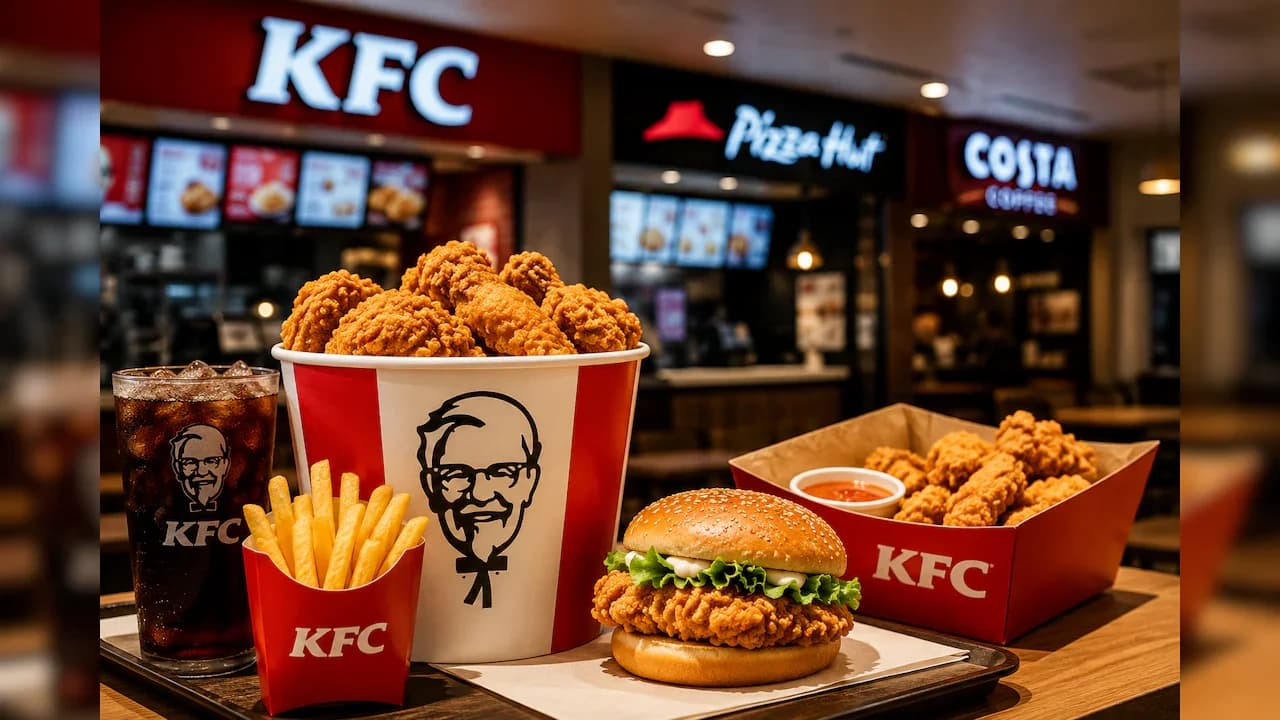
The proposed merger between Devyani and Sapphire remains on track for completion by the end of FY 2027, with management expressing confidence in the integration process. According to the earnings call, technology integration should be manageable because both businesses already use the same Yum-controlled systems, with management noting that the merger with Sapphire Foods remains on track for completion by the end of FY 2027 after receiving approvals from NSE and BSE in June 2026. The merger is expected to deliver recurring annual synergies of approximately ₹220 crore, driven by lower Pizza Hut operating costs, reduction in overall corporate overheads, and operational efficiencies. Management emphasized that the turnaround strategy is beginning to show results with improved brand contribution and tighter control of general and administrative costs. The company's gross margin improved to 69.1%, up 90 basis points from a year earlier, demonstrating effective cost management despite inflationary pressures. As per Investing.com analysis, the stock is trading at high EBIT and Price/Book valuation multiples, suggesting investors are pricing in strong future growth despite near-term challenges. Motilal Oswal has recommended a buy rating on the stock with a target price of ₹160, valuing the entity at 25x EV/EBITDA on March 2028 estimates. Anand Rathi has also maintained a buy rating with a revised target price of ₹160, valuing it at 16x FY28e EV/EBITDA, down from the earlier target of ₹172 to factor in soft operational performance over FY25/26.