Electric vehicle retail sales achieved a historic milestone in August 2026, surging 52.9% year-on-year to 2,98,448 units, as reported by the Federation of Automobile Dealers Associations (FADA). This performance brought EV penetration to 12.3% from 9.5% a year ago, marking the biggest-ever August for electric mobility in India with every EV category setting fresh August records. Electric two-wheelers led the growth at 67.05% year-on-year to 1,83,204 units, though they declined 10.35% from July's 2,04,362 units, while electric passenger vehicles reached 30,696 units compared to 20,210 units in August 2025. The three-wheeler segment saw total retail sales of 79,846 units against 63,736 units a year ago, up 25.28%. Electric commercial vehicle retail sales almost tripled to 4,702 units from 1,631 units in August 2025, with August being the single best month for CVs, which touched an all-time monthly high. As per FADA President Sai Giridhar, electric two-wheelers now account for over 60% of all EV retails, while three-wheelers remain structurally electric at 65.3%.
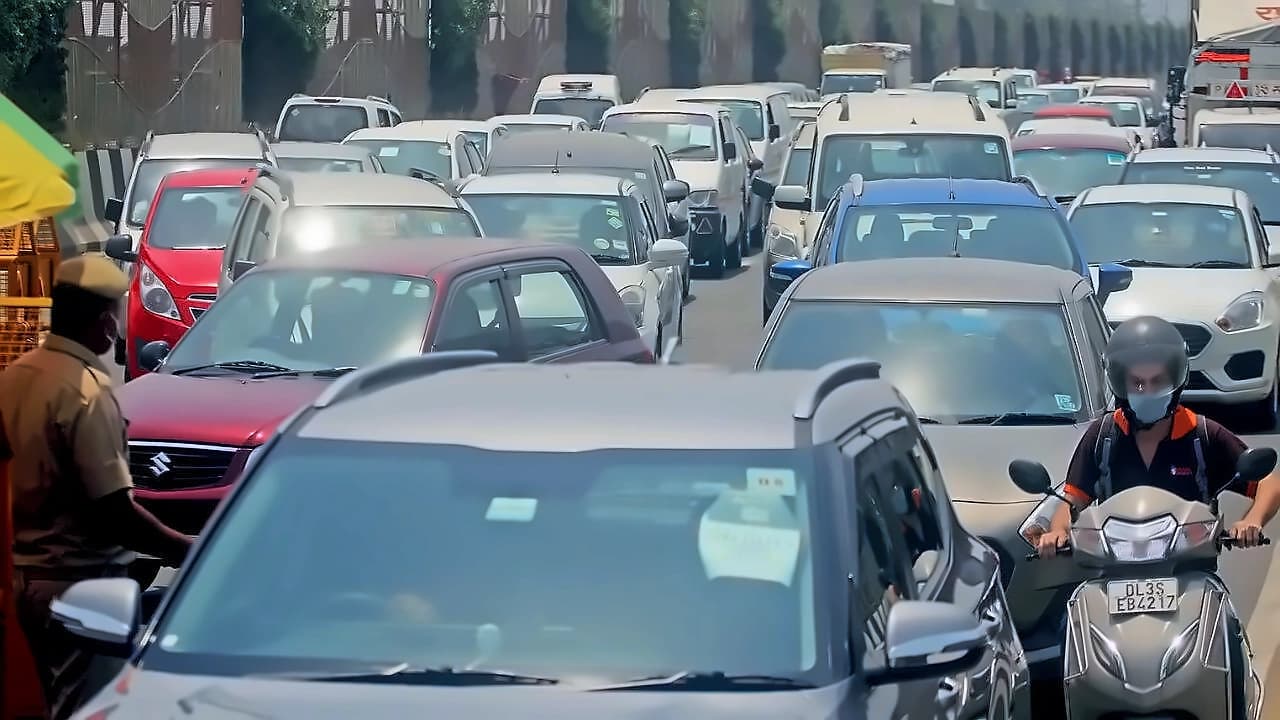
India's passenger vehicle market has achieved a historic milestone with alternative fuel vehicles (CNG, hybrid and electric) accounting for 42% of sales in August 2026, marking the first time these cleaner-fuel alternatives have surpassed petrol sales in the Indian market. According to the latest data from the Federation of Automobile Dealers Associations (FADA), this represents a significant departure from traditional fuel preferences as consumers increasingly embrace alternative powertrain technologies. Alternative fuel PV sales closed the 11.9 percentage point gap with petrol sales seen last August, which was narrower than the 21.03 percentage point gap seen August 2024. Passenger vehicle retail sales grew 16.14% year-on-year to 402,398 units, helping the segment cross the 4-lakh mark for the first time in August, though this was 3.4% lower sequentially than July's record of 416,555 units. The shift represents a reversal from a 12-percentage-point deficit just a year ago, with petrol cars accounting for 40.85% of the passenger vehicle market while CNG and LPG vehicles accounted for 25.28%, hybrids for 9.04% and EVs for 7.63%, with these three alternative powertrains collectively achieving 41.95% market share, marginally higher than petrol's 40.85% share.
Petrol's market share fell to a record low of 41% in August 2026, down from 46% in August 2025, as reported by Equirus Securities and ANI. This decline reflects changing consumer preferences and the growing availability of alternative fuel options in the Indian automotive market. The shift away from petrol-powered vehicles indicates a fundamental change in how Indian consumers approach vehicle purchasing decisions, with petrol continuing to dominate the category with an 89% share, down marginally from 92% a year earlier. In August 2025, petrol's share was 46.89% while alternative fuels stood at 34.98%, compared with 51.04% and 30.01% respectively in August 2024. Dealers attribute the shift to running-cost economics and continuing consumer hesitation around the E20 (20% ethanol and 80% petrol blended) fuel transition, which is nudging petrol buyers towards CNG, hybrids and EVs. Diesel eased slightly to 17.21% in the overall fuel mix, while CNG/LPG accounted for 25.28% of passenger vehicle retail sales, making it the largest component of the alternative-fuel category.
CNG sales rose to a record-high 25% in August 2026, up from 18.72% in August 2024, according to the FADA data. This significant increase in CNG adoption demonstrates growing consumer acceptance of compressed natural gas as a viable automotive fuel option. Mild hybrids were the only category to grow sequentially, up 16% month-on-month and 55% year-on-year, lifting their share to 7%. The hybrid segment also contributed to the overall shift, with both CNG and hybrid vehicles helping to drive the combined alternative fuel share above petrol for the first time. The rise in alternative fuels PVs' share in sales is mainly driven by an improvement in CNG and EV segments, with CNG's PV sales share increasing from 18.72% in August 2024 to 25.28% in August 2026, while electric PV sales' share zoomed from 2.12% to 7.63% during the same period. Diesel eased slightly to 17.21% in the overall fuel mix, with the crossover happening because of the combined contribution of several alternative powertrains.
According to the latest FADA data, rural retail auto sales grew 19.79% year-on-year, outpacing the 15.17% growth recorded in urban markets. Rural markets outperformed urban markets across every major vehicle category, with rural PV sales growing 24.99% year-on-year, compared with 10.93% growth in urban markets. In the two-wheeler segment, rural sales increased 20.25%, slightly ahead of the 19.07% growth recorded in urban markets. The stronger rural performance points to improving demand beyond India's major urban centres and could remain an important driver for the auto sector, particularly during the upcoming festive season. Two-wheeler retail sales stood at 17.15 lakh units, up 19.69% year-on-year, marking the best-ever August sales for the segment as 2W recorded their first new August peak since 2018. Rural 2W sales once again edged out urban sales, with rural 2W sales growing 20.25% year-on-year against urban sales at 19.07%. Total retail auto sales increased 17.5% year-on-year to 24.2 lakh units in August, with two-wheelers leading overall growth at 19.7% year-on-year to 17 lakh units. The rural recovery was not merely temporary, pointing to additional income opportunities, increased spending and government schemes supporting rural incomes.