Clean Max Enviro Energy Solutions achieved its highest-ever quarterly commissioning performance during Q1 FY27, adding 530 MW of renewable energy capacity. According to reports from Business Standard, this record addition significantly expanded the company's operational renewable energy portfolio from 3.6 GW as of March 2026 to 4.2 GW. The commissioning demonstrates the company's strengthened execution capabilities and reinforces its leadership position in India's commercial and industrial (C&I) renewable energy segment.
The operational renewable energy portfolio now comprises 3.5 GW under the RE Power Sales business and 0.7 GW under the RE Services business. As reported by Business Standard, the largest capacity additions during the quarter came from Gujarat with 170 MW, Karnataka with 160 MW, and Maharashtra with 110 MW. Additional capacities were added across regions including Haryana and Chhattisgarh, with the commissioning delivered across 11 project sites in five states. The operational RE Power Sales portfolio reached 3.5 GW following the commissioning of 403 MW during the quarter.
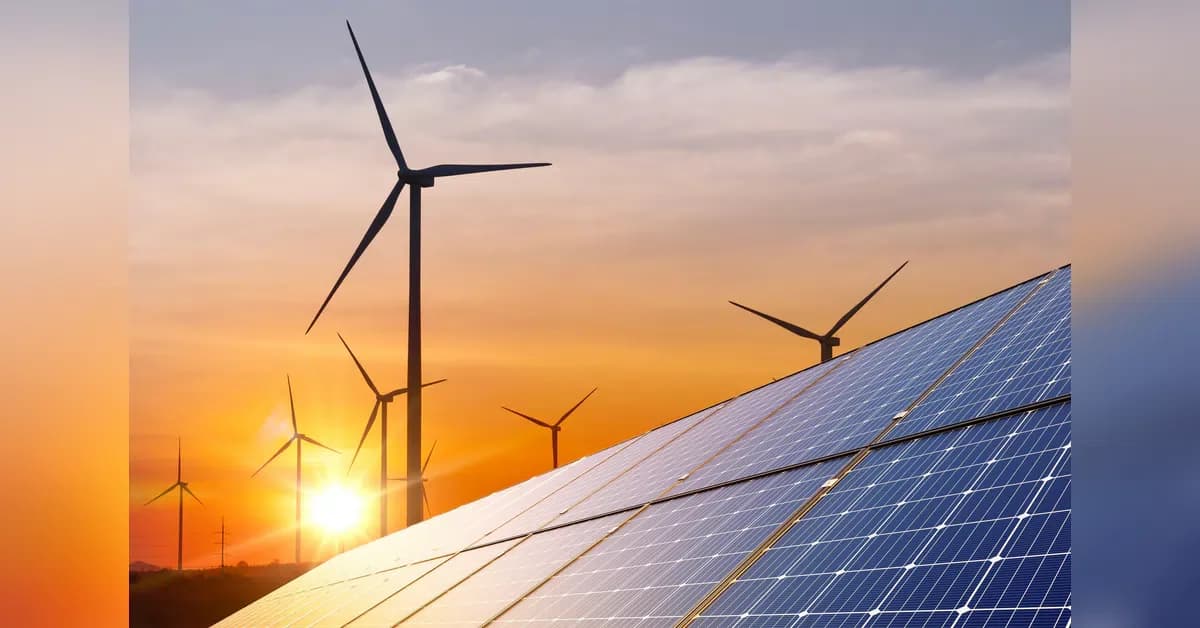
The RE Power Sales addition comprised 350 MWp Solar and 53 MW Wind capacity, with projects owned or co-owned by CleanMax including Group Captive projects with customer equity participation. According to Business Standard, these projects operate under long-term Power Purchase Agreements (PPAs) and Energy Access Agreements (EAPAs). The RE Services addition included 126 MWp Solar capacity (EPC, O&M by CleanMax with assets owned by C&I customers). Together, these assets offer large-scale, tailored energy solutions to renowned corporates across Asia.
While Clean Max focuses on conventional renewable energy, India's biogas sector is experiencing significant growth under the Sustainable Alternative Towards Affordable Transportation (SATAT) initiative, which aims to establish 5,000 compressed biogas plants capable of producing nearly 15 million metric tonnes annually. According to the Indian Biogas Association, the biogas sector is expected to attract over ₹5,000 crore (US$525 million) of investments in 2026-27, with the industry size projected to reach USD 3-4 billion in 2026 and around USD 5 billion by 2030. The sector benefits from the National Bioenergy Programme with ₹1,715 crore outlay, providing central financial assistance for biomass and waste-to-energy projects.