The nationwide strike called by the All India Organisation of Chemists and Druggists (AIOCD) on May 20 has been cancelled after major retail pharmacy associations across the country decided not to participate. According to NDTV, retail pharmacy associations from at least 12 states and Union Territories, including West Bengal, Kerala, Maharashtra, Punjab, Karnataka and Uttar Pradesh, have formally distanced themselves from the strike call, citing public interest and the need to ensure uninterrupted access to essential medicines. The decision was made in view of the ongoing review process and the need to safeguard patient welfare, with associations recognizing that any disruption in the functioning of chemist shops has the potential to cause serious inconvenience to patients, particularly vulnerable groups dependent on regular access to life-saving and essential medicines. A CDSCO official reiterated that public health and patient access to medicines remain paramount and that constructive dialogue remains the preferred mechanism for addressing sectoral concerns while ensuring uninterrupted healthcare services across the country.
The Central Drugs Standard Control Organisation (CDSCO) is actively reviewing concerns raised by retail chemists over the operation of e-pharmacies, even as several state-level pharmacy associations have distanced themselves from the proposed nationwide strike. As reported by NDTV, representatives of the AIOCD recently met the national drug regulator and were assured that the issues raised are being examined and that the regulatory framework governing the sector is under review. The regulator has initiated discussions with stakeholders and assured pharmacy representatives that the concerns raised are under active review. The drug regulator has sought to address legitimate concerns through consultations rather than disruptions to public healthcare services, emphasizing that constructive dialogue remains the preferred mechanism for addressing sectoral concerns while ensuring uninterrupted healthcare services across the country.
Retail pharmacy associations from West Bengal, Kerala, Punjab, Maharashtra, Karnataka, Haryana, Uttar Pradesh, Ladakh, Gujarat, Chhattisgarh, Sikkim, and Uttarakhand have voluntarily submitted written assurances that they will not participate in the strike. According to NDTV, these associations cited public interest and the need to ensure uninterrupted availability of medicines as the reason for distancing themselves from the strike. The strike call was given by the AIOCD over concerns about the growing business of e-pharmacies, with the regulator's constructive response leading several associations to express satisfaction and decline support for the proposed action. The developments come amid an ongoing policy debate around the regulation of e-pharmacies in India, with traditional chemist bodies repeatedly raising concerns over compliance, pricing practices, and market competition.
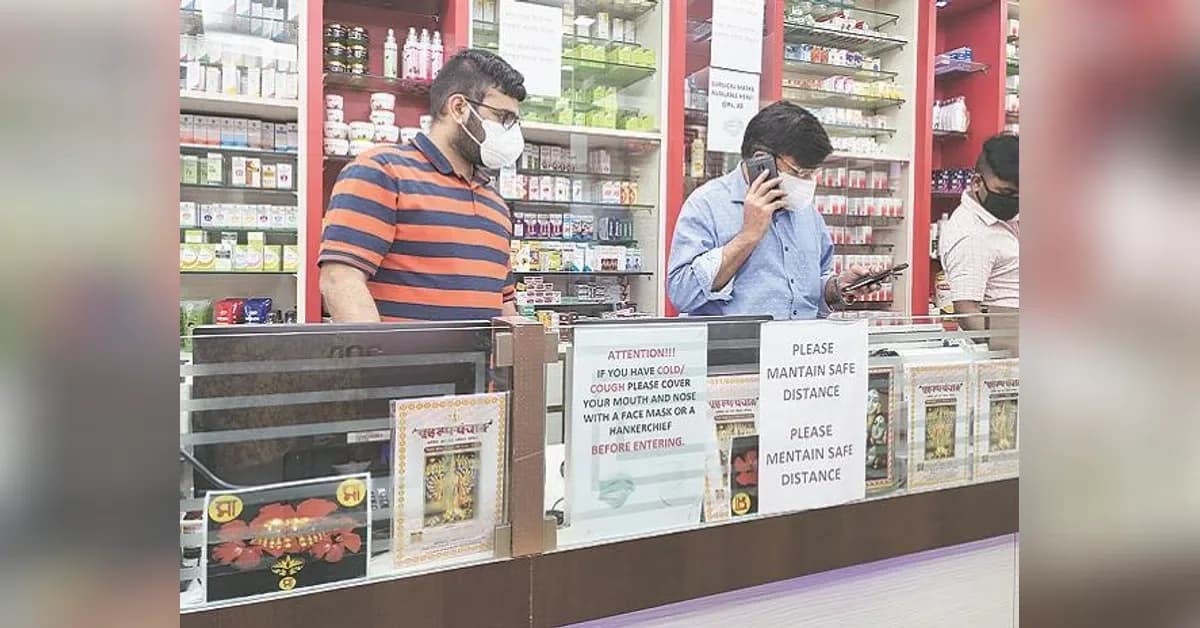
Retail pharmacists argue that online medicine sales have unleashed predatory pricing and deep discounting, creating unfair competition in the market. According to The Indian Express, many online pharmacies are offering discounts as high as 50 per cent, which brick-and-mortar stores say is not sustainable for them. The pharmacist bodies allege that many e-pharmacies sell medicines against fake or poorly verified prescriptions, including those issued by unregistered medical practitioners. Chemists fear this could increase the risk of medicine misuse, fake drugs and unsafe sales of prescription medicines. The AIOCD strike specifically aims to protest online medical sales and deep discounting by e-pharmacy platforms, with the trade body flagging prescription drugs sale without proper verification and warning that AI-generated fake prescriptions may worsen misuse of antibiotics.
The regulatory disputes center around the Covid-era government notification G.S.R. 220(E), introduced in 2020 during lockdowns to allow easier home delivery of medicines, which continued even after the pandemic. The pharmacy associations demand that the government withdraw GSR 817(E) draft notification and create a proper framework for e-pharmacies to operate. The Centre is currently reviewing the regulatory architecture governing the sector as online medicine delivery platforms continue to expand rapidly across the country. The Centre favors dialogue and is reviewing regulatory frameworks for online and retail pharmacies, indicating potential policy changes ahead. This comes amid concerns that unchecked online drug sales risk patient safety and could fuel antimicrobial resistance, with traditional chemist bodies repeatedly raising concerns over compliance and market competition issues.