Bharat Sanchar Nigam Limited (BSNL) has announced a comprehensive range of new customer-focused services and special offers to mark India's 80th Independence Day. The state-owned telecom operator has placed orders for more than 602 additional 4G Base Transceiver Stations (BTS) across Jammu and Kashmir and Ladakh, adding to the 2,247 sites already planned for the two Union Territories. According to Kush Kumar, Chief General Manager, Telecom, J&K Circle, BSNL continues to focus on providing reliable, secure and affordable connectivity, especially in remote and difficult-to-reach areas. Of the sites planned earlier, 1,757 4G BTS have already been commissioned in Jammu and Kashmir, along with 343 in Ladakh, with the expansion expected to strengthen BSNL's coverage across cities, villages and remote locations. The network has been optimised to improve coverage, data speeds, call quality and overall customer experience, using an indigenous technology platform that is 5G-upgradable.
BSNL has proposed a comprehensive capital investment plan of ₹77,000 crore over the next five years to significantly expand its network infrastructure. According to reports from the department of telecommunications (DoT), this investment will establish 200,000 additional 4G sites, strengthen the telecom operator's network, roll out 5G services in strategic high-traffic areas, and improve customer support services. The DoT informed a parliamentary committee on communications and information technology that this capital infusion is projected to help BSNL reach operational breakeven by FY29 and achieve 98% nationwide coverage. In the latest report dated August 6, the DoT told the committee that the No. 4 carrier was on a path of financial turnaround, having taken strategic cost-optimisation measures, and that the additional capital infusion would help the state-run carrier turn around faster.
Despite revenue growth, BSNL's financial position remains under stress with significant losses continuing. As reported by the DoT, the company's net loss widened to ₹4,738 crore in FY26 from ₹2,247 crore in the previous year. Revenue from operations increased by 1.7% to ₹21,199 crore, though this remains significantly below the ₹28,476 crore target set under the memorandum of understanding between DoT and the telecom operator. The DoT attributed BSNL's net loss increase to depreciation and amortization expenses, which grew to ₹10,350 crore in FY26 from ₹6,283 crore in FY25. The company had also incurred its largest capital expenditure of ₹26,022 crore in FY25 for 4G network rollout and expansion. According to the latest committee report, BSNL's total expenditure is set to rise to ₹34,853 crore in FY27 from ₹30,202 crore in FY26, while losses are projected to widen to ₹5,946 crore in FY27 from ₹4,643 crore in FY26, despite a rise in revenues to ₹26,407 crore in FY27 from ₹23,259 crore in FY26.
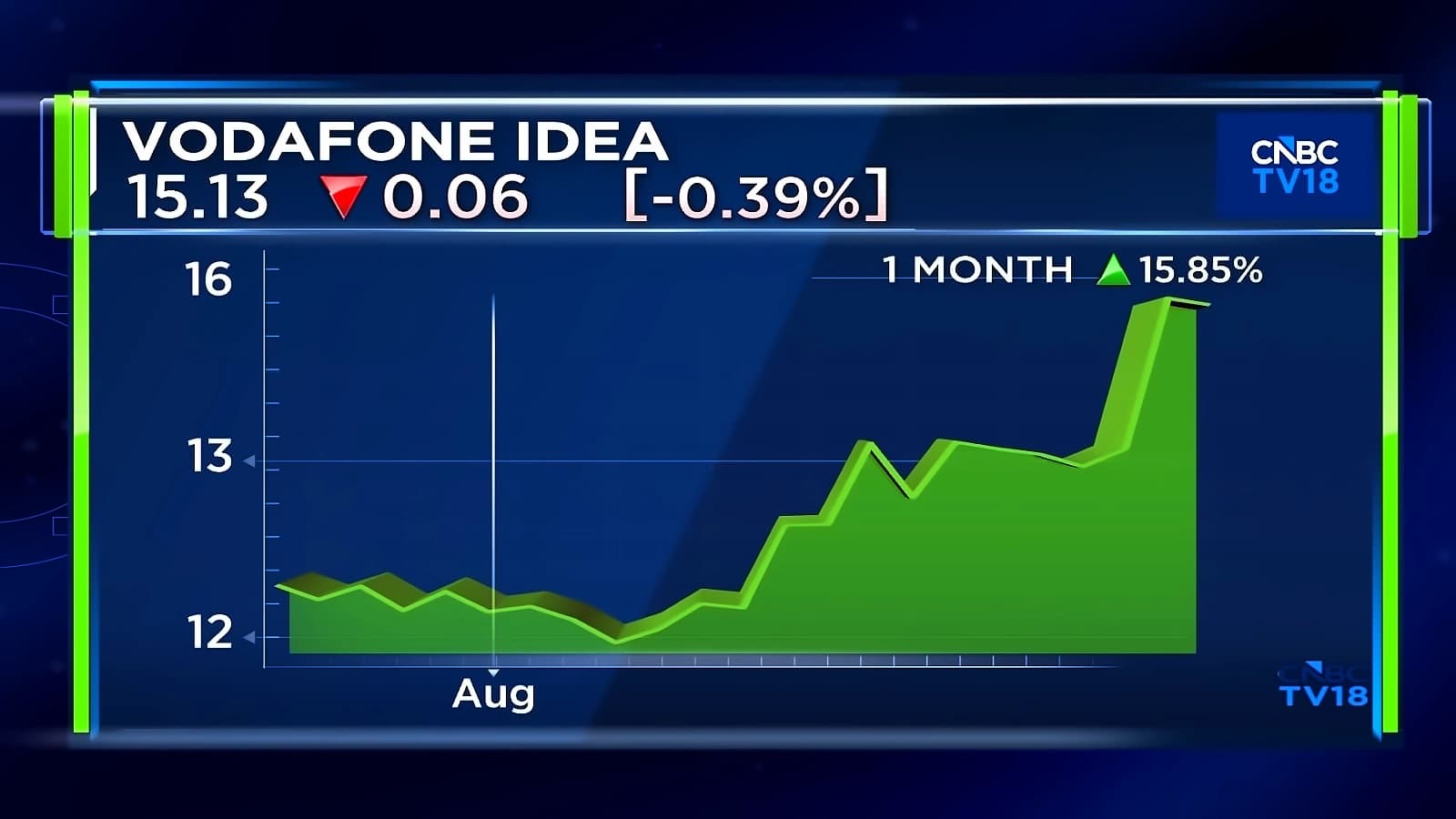
BSNL has made substantial progress in its network modernization efforts, with significant infrastructure already deployed. According to DoT reports, the company had installed 105,290 4G indigenous sites by April end and is currently rolling out its 5G network in Delhi. The government has approved three revival packages for BSNL amounting to ₹3.22 trillion to support the operator's turnaround efforts. For cost efficiency, the government is working on infrastructure-sharing arrangements between BSNL and Vodafone Idea, in which it holds a 49% share, with active discussions to enhance Vodafone Idea's tenancy on BSNL tower infrastructure for 4G and 5G services. The committee has also asked the DoT to decide on comprehensive infrastructure sharing between BSNL and Vodafone Idea, since the government now owned 49 per cent of the privately run No. 3 carrier. It added that discussions between the two entities have reportedly been initiated to strengthen their working and reduce expenditure, and therefore, collaborative utilisation of towers, fibre, spectrum and other network assets would expand service reach, optimise resource use, reduce expenditure, increase connectivity and accelerate 5G rollout, while avoiding duplication of infrastructure and capex.
BSNL has launched several new digital services as part of its Independence Day initiatives, including a special Fibre Freedom broadband plan at an introductory price of ₹1,111 per month offering speeds of up to 200 Mbps, 5,000 GB of monthly data and subscriptions to more than 25 premium OTT platforms. The company has also unveiled its Re 1 Freedom 2.0 offer for new customers, providing 1 GB data per day, 100 SMS per day and unlimited voice calls with a validity of 24 days. Under another Independence Day promotion, customers opting for the ₹2,399 annual prepaid plan will receive an additional 47 days of validity, taking the total validity to 412 days. Through Polycab's Electronic Manufacturing Services facility, BSNL will manufacture products such as cameras, Optical Network Terminals (ONTs) and routers in India, adopting a Hardware-as-a-Service model to make telecom infrastructure deployment more scalable and cost-effective while supporting the domestic manufacturing ecosystem. The company has also launched its revamped BSNL Selfcare New mobile application for Android and iOS users, enabling prepaid recharges, bill payments, complaint registration and tracking, DND management, payment history, fibre booking, AI chatbot support, voice search, multiple-account management and access to entertainment services, with mobile subscribers also getting free access to around 500 live TV channels through BSNL free entertainment TV powered by Tango TV.
The parliamentary panel has made specific recommendations regarding BSNL's financial turnaround strategy and infrastructure sharing. According to the DoT report, the committee recommended that BSNL and the Department undertake a comprehensive expenditure rationalisation exercise, with special focus on controllable operational costs, increased sharing of mobile towers with other operators, network optimization, and prioritization of high-revenue service segments such as 4G/5G rollout, enterprise services, and fibre connectivity. The panel also recommended that the proposed additional expenditure be reviewed and kept in abeyance until a clear decision on collaboration is finalized, though DoT objected to this suggestion citing potential adverse effects on ongoing 4G project rollout. The committee has also flagged projections by BSNL where its total expenditure was set to rise to ₹34,853 crore in FY27 from ₹30,202 crore in FY26, losses were set to widen to ₹5,946 crore in FY27 from ₹4,643 crore in FY26, despite a rise in revenues to ₹26,407 crore in FY27 from ₹23,259 crore in FY26. The committee added that clear, time-bound financial turnaround benchmarks be fixed with annual targets for reduction of losses and improvement in operating margins.