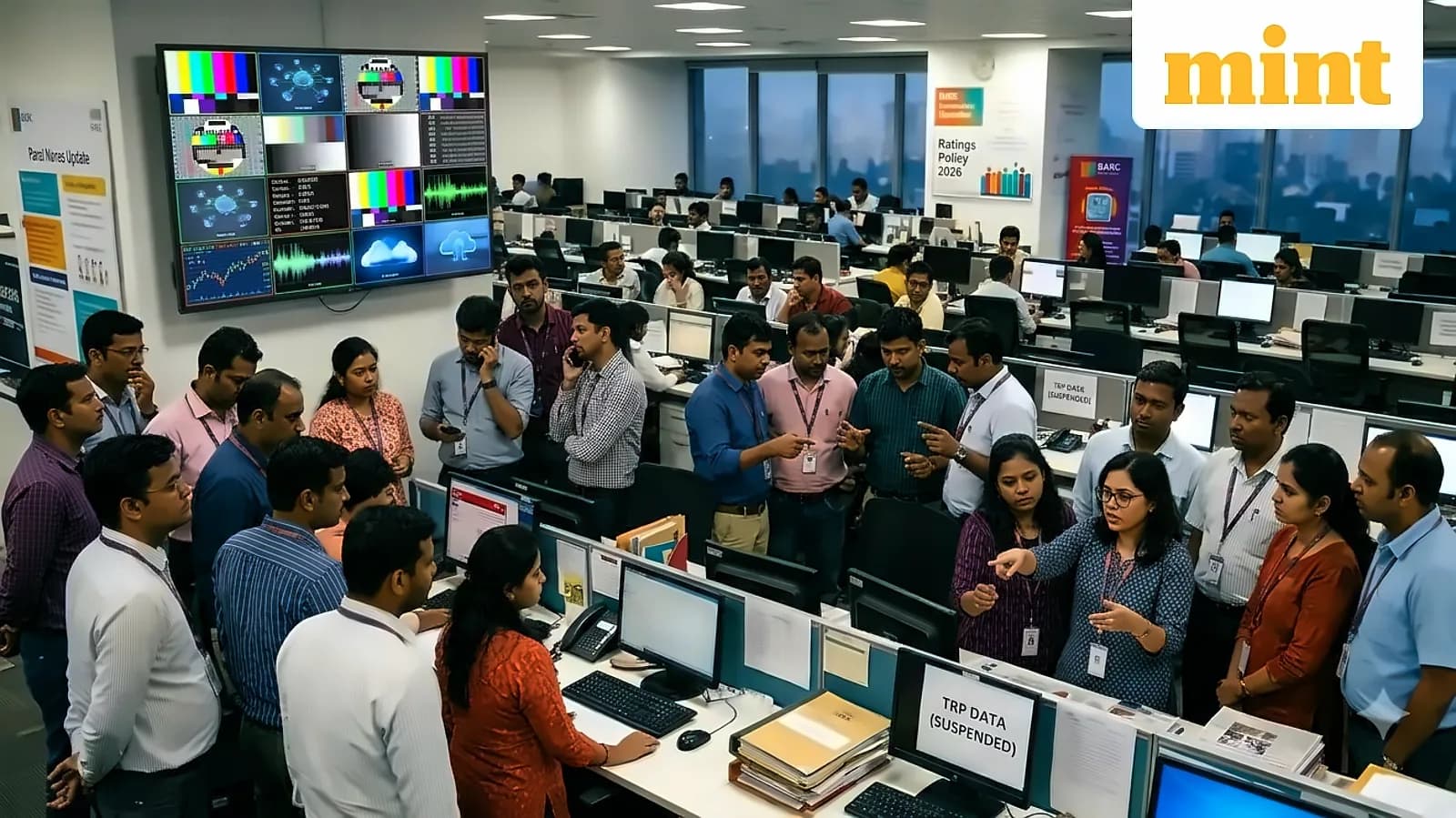
The Broadcast Audience Research Council (BARC) faces a critical November deadline for resuming television ratings after the Ministry of Information and Broadcasting (MIB) suspended ratings in July 2026. According to latest reports, Information and Broadcasting Minister Ashwini Vaishnaw has given BARC until November to implement the changes required under the new TV Ratings Policy and comply with ministry requirements for ratings resumption. At a board-level deliberation on Monday, Indian Broadcasting & Digital Foundation (IBDF) board members discussed the prolonged suspension and uncertainty surrounding BARC's ability to restart measurement. The industry is now considering formally approaching the government with a clear November deadline, after which more drastic measures, including shutting down BARC, could be considered if there is no resolution. As per CRISIL Ratings, the ministry acknowledged BARC's application for registration on July 3 and said it was under examination for compliance with registration conditions, with BARC advised to withhold television audience measurement and publication of ratings pending registration.
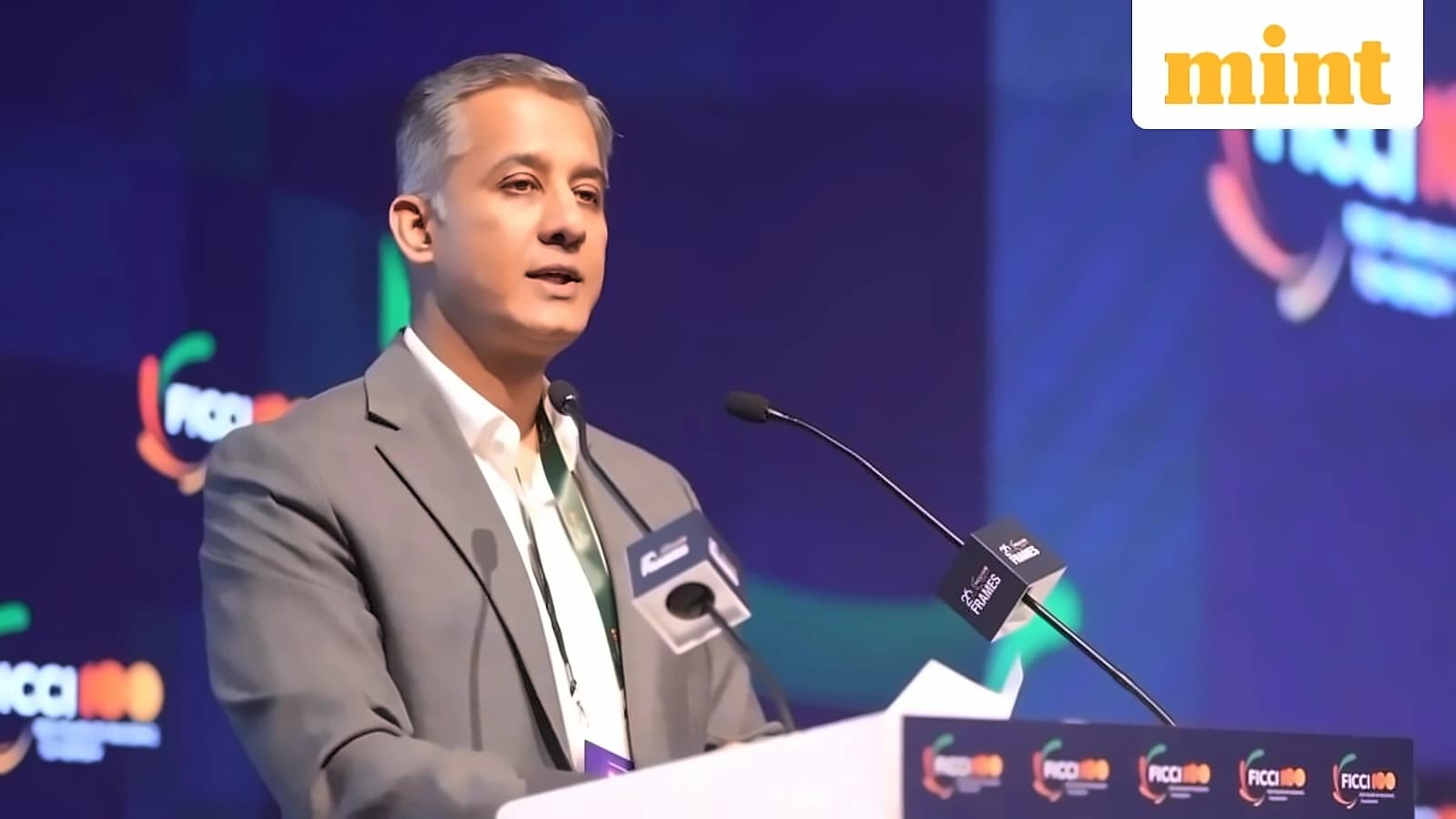
Members of the Indian Broadcasting & Digital Foundation (IBDF) have called for the immediate restoration of Broadcast Audience Research Council (Barc) television ratings, arguing that the prolonged suspension is adversely affecting revenue visibility and expectations, especially during the festival season. According to reports from Business Standard, the suspension has created uncertainty for broadcasters, advertisers, and media agencies who rely on these ratings for programming and advertising decisions. The ratings suspension comes as the television industry enters the crucial festive advertising season, when broadcasters, agencies and advertisers typically rely on audience measurement data to plan and price campaigns. BARC data functions as the common currency through which broadcasters, agencies and advertisers assess channel performance, plan campaigns and negotiate inventory. In the absence of current data, the market has been relying on historical data, internal analytics and other measurement proxies. At the 27th annual general meeting on Monday, participants including JioStar CEO-entertainment Kevin Vaz (also IBDF president), Zee Entertainment Enterprises CEO Punit Goenka, and Sony Pictures Networks India CEO Gaurav Banerjee emphasized the urgent need for ratings restoration, with broadcasters stating the suspension had affected revenue visibility, advertiser confidence and media planning during the festive season. As per the latest IBDF statement, IBDF president Kevin Vaz addressed the meeting, stating that "Television remains deeply embedded in India's social, cultural and economic fabric. While the sector has faced economic, commercial and regulatory headwinds, its ability to connect with audiences across languages, regions and socio-economic groups remains unparalleled."

In July 2026, the Information and Broadcasting Ministry directed Barc to stop publishing television ratings across both news and non-news genres until its licence is renewed under the Television Ratings Policy, 2026. The decision is subject to BARC complying with the ministry's TV rating guidelines, released in March 2025 and amended in May 2025. The guidelines require cross-screen measurement, 33% independent representation on BARC's board, and the removal of landing-page data from viewership measurement. As reported by Business Standard, Barc had submitted its application for renewal under the new framework in April 2026, and the ministry acknowledged the application on July 3 and said it was under examination for compliance with registration conditions. The MIB's BP&L wing recommended provisional registration for BARC, potentially allowing the ratings body to restart measurement while completing outstanding requirements. BARC's earlier registration had expired in July 2025. The current situation follows the introduction of the Television Ratings Policy 2026, notified by the Ministry of Information and Broadcasting in March, which introduced a new framework for television audience measurement, including an expanded panel, independent audits, cross-holding restrictions and other compliance requirements.
Barc is an industry-led organisation composed of the Indian Broadcasting Foundation (IBF, holding a 60% stake), the Indian Society of Advertisers (ISA), and the Advertising Agencies Association of India (AAAI). According to Business Standard, Barc uses a panel of television-owning households with BAR-O-meters installed in selected panel homes that automatically record viewing behaviour. The system uses audio watermarking technology to embed inaudible codes into television content audio, enabling the system to identify channels and broadcast times when programmes reach panel households. BARC's panel count currently stands at 77,596 and is on track to achieve its target of 80,000 ahead of the December 31 deadline. Following approvals from the registrar of companies, Barc's board has proposed inducting Muralidharan Ramachandran as its fifth independent member, whose appointment would help meet the 33% independent representation requirement under the TV Ratings Policy 2026. Other independent directors include senior Supreme Court advocate Gopal Jain, former Prasar Bharati CEO Shashi Vempati, former Johnson & Johnson managing director Narendra Ambwani, and SISA Information Security director Gayatri Chandrasekhar. BARC is expected to submit the necessary paperwork seeking the ministry's approval next week, with the organisation urging the ministry to process its registration application at the earliest.
While Barc remains the principal television audience measurement body for the Indian market, the TV measurement landscape has expanded beyond traditional methods. As reported by Business Standard, Smart TVs and media devices use Automatic Content Recognition (ACR) to track viewing behaviour by analysing pixels or audio fingerprints directly. Streaming apps track exact watch time, server logs, and unique concurrent viewers, while multi-system operators and Direct-to-Home providers pull usage data from internet-connected set-top boxes. These methods allow platforms to track viewing habits across millions of real households rather than relying on small panel samples. TAM India and Chrome DM have also applied to provide audience measurement services, creating a competitive market that industry stakeholders have raised concerns over. The ministry's guidelines seek to create a competitive audience measurement market, but industry bodies have raised concerns over the financial viability of multiple rating agencies and the possibility of conflicting data from different agencies for the same programmes, which could create confusion in the industry. TAM India is now seeking to return to the market after providing television ratings from 1998 until 2016, when BARC became the industry's primary ratings currency. Chrome Data Analytics and Media (Chrome DM) is another potential entrant, having indicated it may apply for an audience measurement licence under the new policy and already operating in television and OTT data through existing products.
Despite the suspension, BARC's operations have remained unaffected with continued cash inflows from broadcasters and healthy liquidity, as reported by Crisil Ratings. BARC recorded revenue of ₹297 crore in 2024-25, down from ₹319 crore in the previous financial year, while net profit declined to ₹16 crore from ₹20 crore. The prolonged suspension has intensified pressure on the Ministry of Information and Broadcasting to restore audience measurement, with broadcasters seeking greater revenue visibility and advertiser confidence ahead of the festive season. Entertainment broadcasters have expressed disappointment over the delay, arguing that entertainment channels should not bear the consequences of issues involving news broadcasters. News ratings have been unavailable since March 2025, when they were suspended amid the Iran war to prevent sensationalism and speculative content, with the blackout extended to all broadcasters in July 2026. The uncertainty is being discussed against the backdrop of the government's stated objective of creating a more transparent and independent television ratings system. Television ratings are used well beyond the weekly publication of channel rankings, influencing how broadcasters price inventory, how agencies plan campaigns and how advertisers evaluate the delivery of their television spends. With current ratings unavailable, the market has been relying on historical data, broadcaster-level analytics and other measurement proxies, with the absence of current data becoming particularly significant during the festive season when television typically sees a concentration of advertising demand. The suspension has also created uncertainty for advertisers, disrupted informed media planning and prevented broadcasters from fully realising the commercial potential of one of the most important periods of the year.