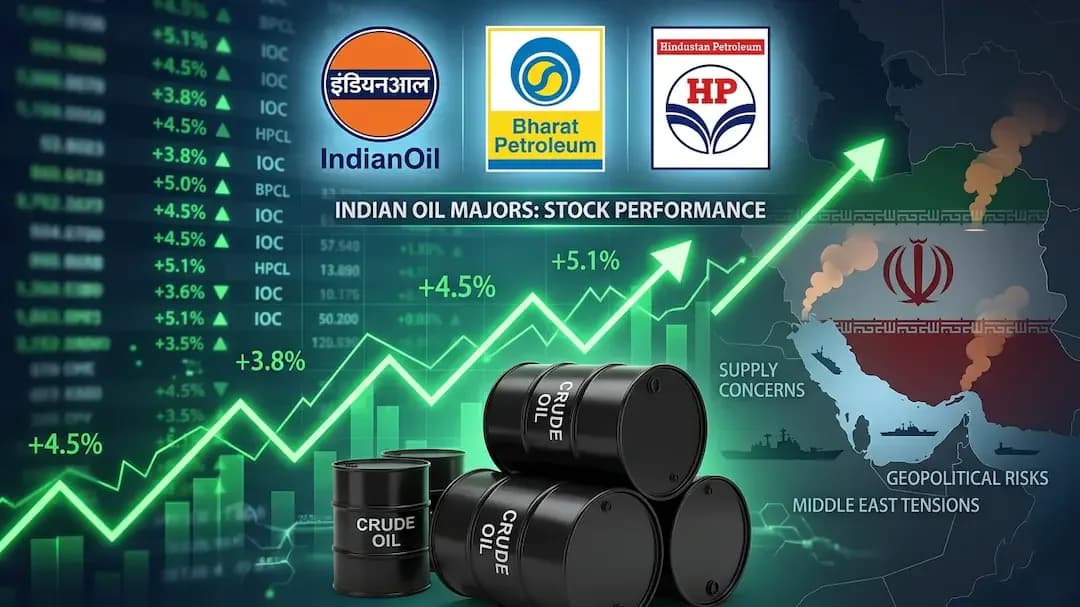
According to reports from Zee News, domestic petrol and diesel prices have experienced significant increases of 22% and 27% respectively in recent days. Joint Secretary in the Ministry of Petroleum, Sujata Sharma, confirmed that these prices remain lower than global levels despite the substantial increases. The latest price revision represents the fourth increase over the last 10 days, with oil marketing companies implementing the latest hike of ₹2.61 per litre for petrol and ₹2.71 per litre for diesel. As per Financial Times, this global energy crisis is now disrupting supply chains worldwide, with the closure of the Strait of Hormuz adding to inflationary pressures across developed economies.
Petrol and diesel sales at retail outlets run by state-owned oil marketing companies have risen sharply as customers shifted away from bulk fuel purchases and private retailers. Speaking to reporters, Sujata Sharma, joint secretary, ministry of petroleum and natural gas, revealed that petrol demand has increased more than 30% in around 150 districts, while 14 districts have seen sales more than double in the past one month. Diesel sales have also surged, with around 156 districts recording growth of over 30% and six districts witnessing more than 100% growth, as reported by Mint. Private oil marketing companies have seen around 38% decline in high-speed diesel offtake this month, with volumes shifting to PSU retail outlets, while PSU bulk customer volumes have also declined nearly 29%.
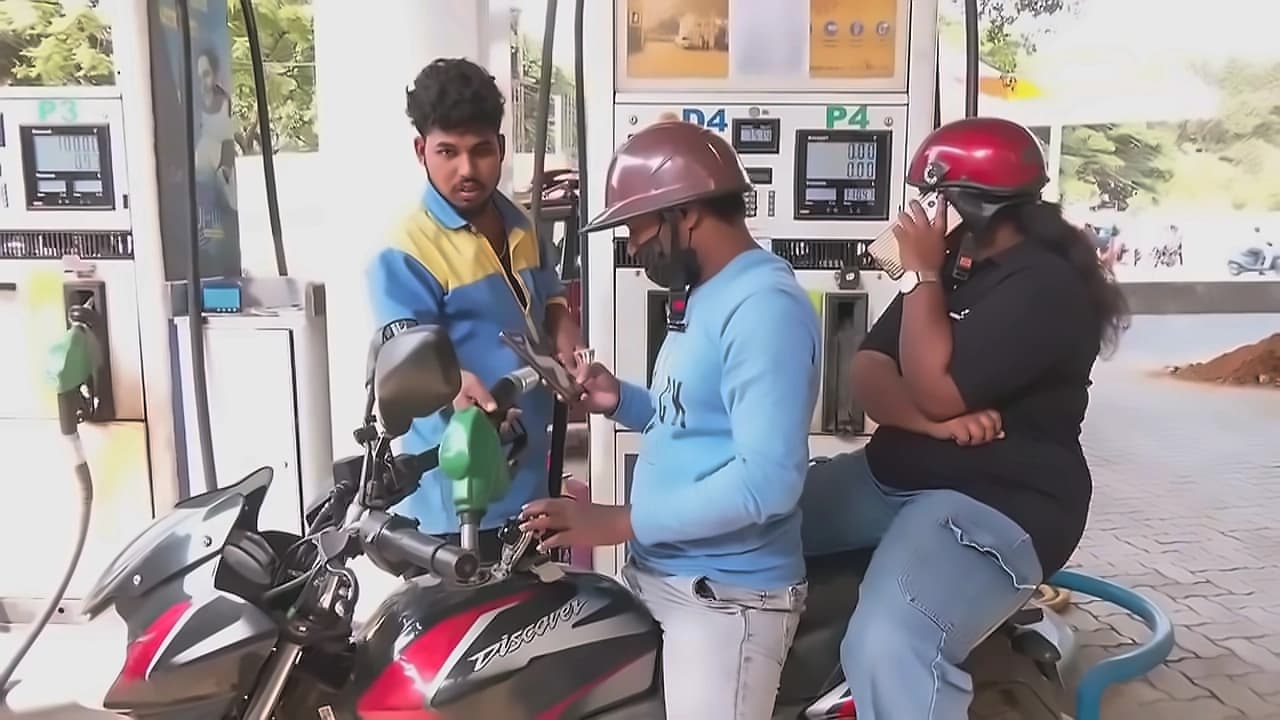
As reported by Zee News, the cumulative rise in petrol and diesel prices has reached nearly ₹7.50 per litre following the recent daily revisions. The price increases have resumed after a prolonged freeze period, with the latest round bringing the total impact to nearly ₹7.50 per litre for both fuel types. This represents a significant increase from previous pricing levels, affecting both consumers and businesses across the country. According to Financial Times, consumers in the United States, United Kingdom and parts of Europe are facing rising costs for petrol, air travel and other essentials, with inflation climbing to an annual rate of 3.8 percent in April while average hourly earnings rose by 3.6 percent over the same period. The government faces a trilemma of keeping domestic prices low, not losing out on tax revenue, and containing the forex outgo and current account deficit.
A former IAS officer with experience in the Ministry of Petroleum and Natural Gas has called for immediate fuel price liberalisation, arguing that appeals for conservation won't work during the current crisis. The expert noted that the government dismantled the administered pricing mechanism for petroleum products in 2002 but has not implemented market-based pricing even after more than two decades. India's oil and gas import dependence has increased to 85% and 50% respectively of domestic consumption, with crude oil imports accounting for about 12% of total global oil imports. The expert emphasized that coordinated action between central and state governments is crucial, suggesting that bringing petroleum under the GST regime might be the right forum to build consensus on the subject.
The expert advocates for privatising one of the existing state-owned oil marketing companies to reduce government intervention in pricing and market monopoly. The proposal specifically targets Bharat Petroleum Corporation Limited (BPCL), which holds over 20% market share and was previously planned for privatisation but later dropped. The expert argues that privatising BPCL would completely change the petroleum product marketing scenario in the country, reduce the government's role in pricing, and help people get used to market-based pricing over time. This approach would also facilitate private-sector participation in the oil and gas sector, which currently faces government pressure to intervene formally and informally in pricing decisions.