State-owned Bharat Petroleum Corporation Ltd (BPCL) is reportedly piloting an ecommerce model to deliver groceries, FMCG products, household essentials, and consumer durables alongside LPG cylinders in Maharashtra and Uttar Pradesh. According to The Economic Times, the company is running pilots with select LPG dealerships being converted into fulfilment points or dark stores, while BPCL's In&Out convenience stores at petrol pumps will also be used to stock and fulfil orders. Customers will be able to place orders through BPCL's app and receive the products with their LPG cylinders. The pilot has shown promise but is yet to generate the volumes initially expected by BPCL amid competition from established ecommerce and quick commerce platforms.
Alongside its ecommerce pilot, BPCL is developing a payment gateway that it plans to integrate with the HelloBPCL app. The gateway will allow customers to make payments through BPCL's digital ecosystem for transactions at its fuel stations. The HelloBPCL app currently allows customers to book and pay for LPG cylinders and make fuel payments, with BPCL stating in its FY25 annual report that HelloBPCL was processing transactions worth around ₹91,500 crore annually. Earlier this year, fintech major Pine Labs secured a multi-year contract from BPCL to deploy, manage, and maintain payment-acceptance infrastructure across the oil major's petrol pumps and merchant outlets in India.
State-owned Bharat Petroleum Corporation Ltd (BPCL) has outlined five key priorities for the year ahead as it transitions from a traditional oil company to a diversified energy player. According to reports from CNBC TV18, Chairman and Managing Director Sanjay Khanna addressed shareholders at BPCL's 73rd Annual General Meeting in Mumbai, emphasizing that the company is not merely adapting to the future of energy but actively shaping it. The first priority focuses on making BPCL's existing businesses more competitive while improving customer experience and executing major projects with enhanced focus on safety, speed and capital discipline.
The diversification strategy comes amid challenging market conditions that impacted BPCL's first quarter of FY27 performance. As reported by CNBC TV18, Khanna attributed the company's weaker results to elevated crude prices caused by geopolitical tensions in West Asia and squeezed fuel-marketing margins. The company maintained compressed marketing margins to serve broader national purposes, with the executive noting that short-term volatility in crude prices and refining margins would likely remain part of the industry landscape.
BPCL is significantly expanding its renewable energy portfolio and compressed biogas operations as part of its diversification strategy. According to CNBC TV18, the company commissioned a 71 MW solar project at Prayagraj, bringing its total installed renewable capacity to 251 MW. Additionally, BPCL plans to establish 26 compressed biogas plants over the next two years, having already approved 19 projects under its own investment programme with combined capacity of about 50,000 tonnes per year. Another 100 MW of wind projects are under development in Maharashtra and Madhya Pradesh.
Despite focusing on new energy sources, BPCL's traditional fuel-retailing network continues to expand significantly. As reported by CNBC TV18, the company expanded its network to 25,323 retail outlets during FY26 and maintained a 27.3% share of the market among public-sector oil marketing companies. The company is also strengthening its workforce capabilities, having inducted more than 682 officers during FY26 and another 672 during the first quarter of FY27, which Khanna described as one of BPCL's largest talent additions in recent years. In FY26, BPCL upgraded its cafe formats, convenience retail offerings, customer amenities, and loyalty programmes as part of its efforts to turn fuel stations into broader mobility and lifestyle destinations.
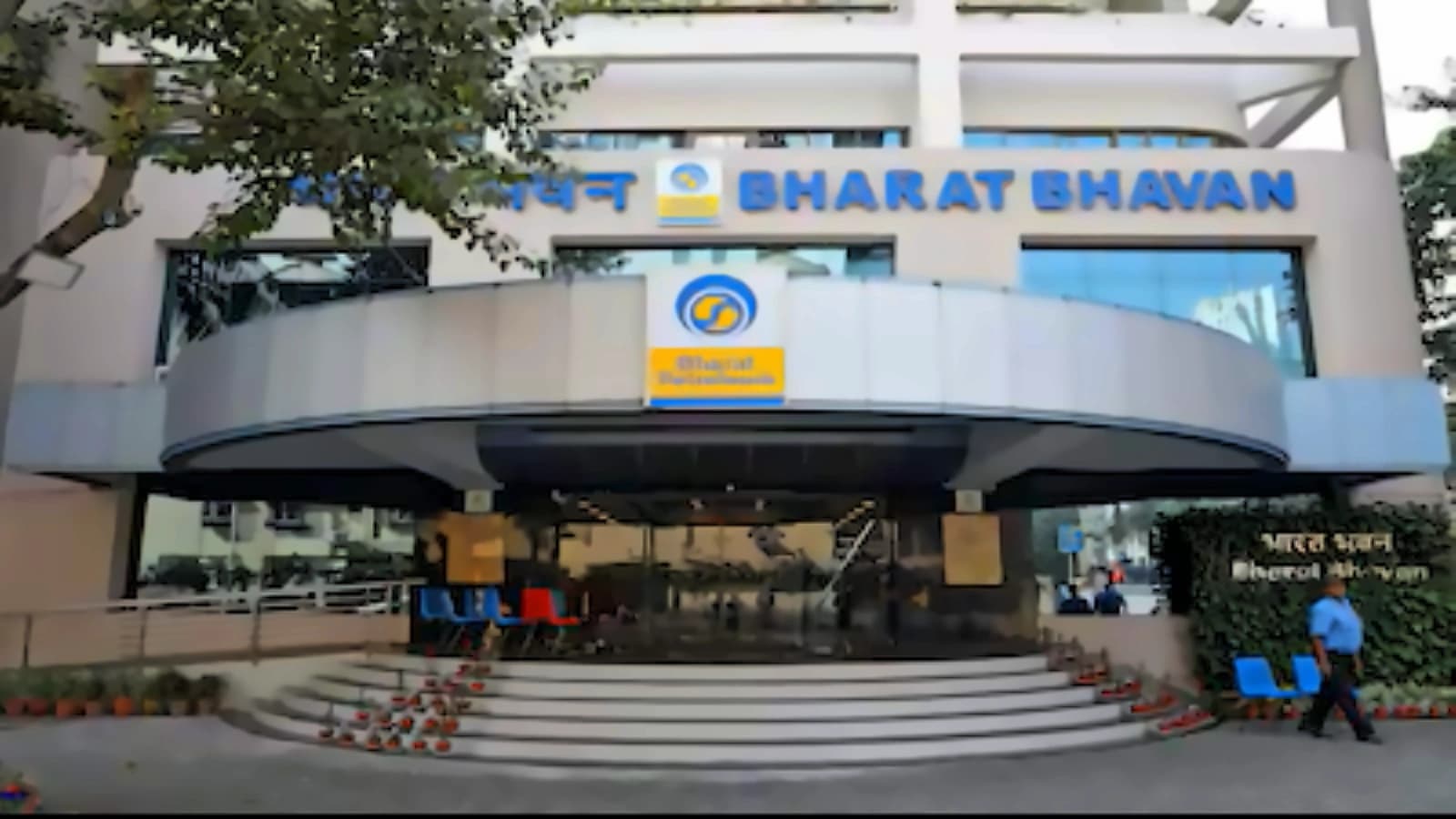
BPCL shares closed at ₹320.45 on Thursday, up 0.77% following the strategic announcement. According to CNBC TV18, the company believes India's growing appetite for energy presents long-term opportunities, with rising fuel and petrochemical consumption, expanding gas infrastructure and emerging green-energy markets providing additional growth avenues. BPCL's strategy reflects the balancing act facing India's oil companies, where traditional petrol, diesel and refining businesses remain crucial while preparing for an energy market where gas, petrochemicals and cleaner power sources play larger roles.