State-run refiners including Bharat Petroleum Corporation Limited (BPCL) are no longer actively preparing to resume Iranian crude imports as prospects for any easing of sanctions remain uncertain amid renewed US-Iran tensions. According to NDTV Profit, India's state-run refiners are not currently importing Iranian crude and had only been assessing the possibility of resuming purchases if the US extended sanctions waivers beyond the current August 21, 2026 deadline. The latest geopolitical developments have stalled those expectations, leaving the prospects of Iranian oil returning to India's import basket uncertain in the medium to long term. As per The Hindu BusinessLine, refiners are cautiously reviewing the situation and awaiting clarity from the Foreign Ministry, with crude oil imports from Iran likely to get stuck after the US pulled back the sanctions waiver. Despite the uncertainty, there is no immediate threat to India's crude oil supplies due to secured inventories and sourcing arrangements.
Iranian crude faces significant competitive disadvantages in the current market environment. As per Business Standard, crude from Iran is being offered at discounts of $4 to $5 a barrel to Brent, compared with $6 a barrel less for Russia's Urals oil, making Russian supplies more economical for Indian refiners. Iran was one of India's top suppliers, accounting for as much as 10% of its oil imports in 2018, before sanctions choked flows. India's oil imports from Russia surged to a record 2.7 million barrels a day in June, and are expected to average 2.6 million barrels this month, according to Kpler estimates. Indian buyers find the Saudi crude unattractive despite cuts, because of high freight costs, with refiners more inclined to buy Russian grades and expecting discounts to widen further. The competitive landscape has intensified as Saudi Arabia underscored the intense competition to find oil buyers in Asia, with the biggest monthly reduction in its official selling prices since at least 2000 this week, making Iranian oil even less appealing for refiners in the world's third-biggest importer.
India, the world's third-largest oil importer, stopped purchases of Iranian crude in 2019 after the United States ended sanctions waivers. As reported by Moneycontrol, BPCL currently sources about 40% of its crude requirements from Russia, with Russian Urals crude capturing a record-high 46% of India's total crude import basket as of June 2026 data. Gupta explained that Russian Urals crude remains more attractive than Iranian grades because of deeper discounts, with Russian Urals crude currently available at discounts of $6-$7 per barrel, while Iranian crude is expected to be offered at discounts of around $4-$5 per barrel, making Russian supplies more economical for BPCL's refineries. The company is also increasing spot market purchases to ensure supply continuity while awaiting clearer regulatory framework. State refiners, including India's biggest processor Indian Oil Corp., are not in a position to take advantage of the 60-day sanctions waiver as they booked cargoes well ahead of schedule to prepare for supply disruptions during the war.
The talks with Iran extend beyond raw crude oil into broader energy supply-chain diversification. Following severe supply vulnerabilities exposed by recent geopolitical tensions around the Strait of Hormuz (through which nearly 90% of India's liquefied petroleum gas imports typically pass), Indian oil marketing companies are aggressively overhauling their sourcing maps. BPCL is exploring long-term liquefied petroleum gas (LPG) procurement channels beyond West Asia, looking at a matrix of future suppliers that includes the United States, Angola, Argentina, and Iran. According to Moneycontrol, BPCL has a total market capitalisation of ₹1.30 lakh crore as of June 29, 2026, and Gupta indicated that the company is preparing to invest roughly ₹5,000 crore to expand its domestic LPG storage infrastructure as the government weighs a mandate for a 30-day strategic fuel reserve. However, as per The Hindu BusinessLine, LPG could again become a pain point if renewed hostilities continue for long, which would extend the closure of the Strait of Hormuz, impacting supplies of the key cooking medium for more than 33.50 crore Indian households. Sumit Ritolia from Kpler emphasised that unlike crude, LPG and LNG markets have fewer short-term substitution options and remain more exposed to Gulf supply and shipping disruptions.
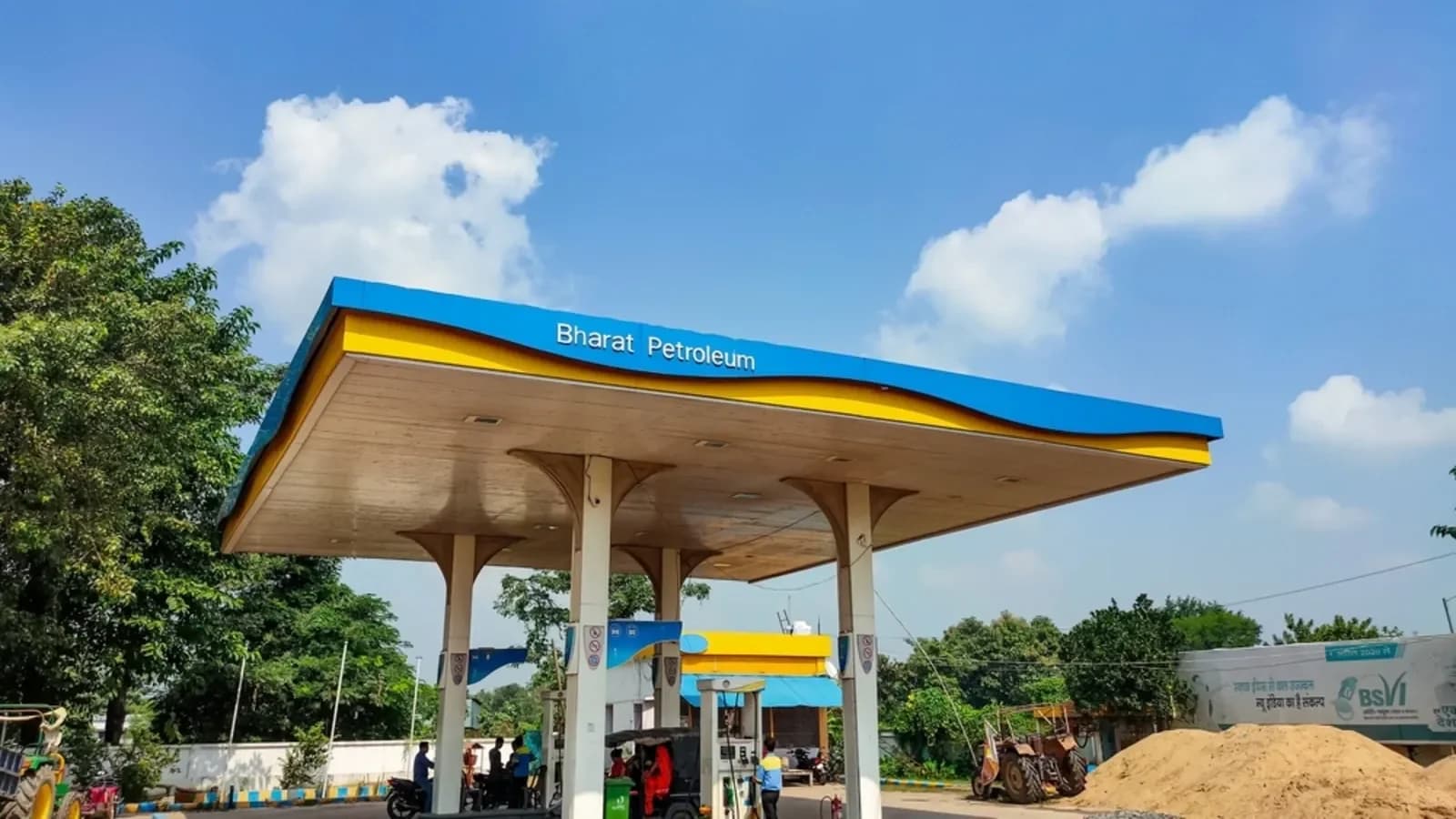
Diplomatic engagement between India and Iran has shown positive momentum. As reported by Business Standard, Iran's Petroleum Minister Mohsen Paknejad met with India's Oil Minister Hardeep Singh Puri during his visit to New Delhi last month for the BRICS Energy Summit, and the two "explored opportunities to cooperate in the energy sector." The talks are aimed at securing access to Iranian barrels should Washington extend the waiver beyond the current August deadline. While discussions are actively underway, Indian refiners will not be making immediate purchases, as Gupta clarified that even if Iranian crude becomes fully available and legally compliant, it faces stiff commercial competition within India's import mix. The legal and practical position remains complicated, as the Strait of Hormuz is an international waterway used by ships from across the world, and any unilateral move to impose charges could face opposition from shipping companies, importing nations and Western naval powers. Indian refiners are looking to tie up supplies from Iran so that they don't lose out if purchases are allowed and pricing becomes more competitive, with the government-run processors planning to start talks with suppliers in coming weeks for September deliveries.