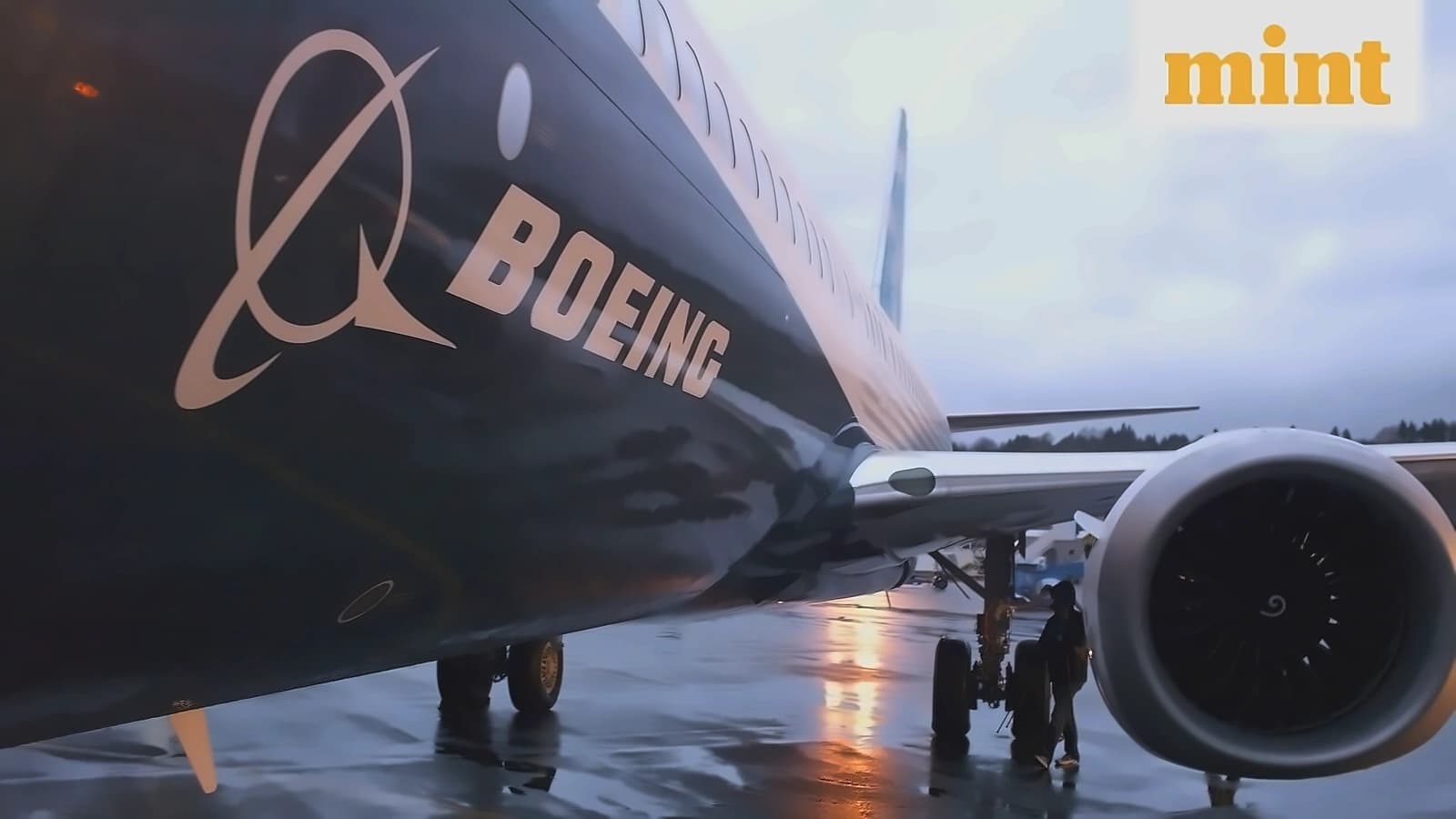
The Federal Aviation Administration has officially cleared Boeing's 737 Max 10 for passenger service, marking the end of a lengthy certification process that spanned over 6 years and 976 flights covering more than 2,060 flight hours. As reported by Bloomberg, the approval comes after the planemaker's family of narrowbody aircraft faced disruption from two fatal crashes and a series of quality lapses. Transportation Secretary Sean Duffy emphasized during a visit to Boeing's manufacturing plant in Everett, Washington, that the certification followed 'extensive safety reviews,' including thousands of hours of test flights. Duffy noted that 'to think that it took us almost 10 years to get here. We all probably had a little less gray hair 10 years ago.' The certification represents another milestone in Boeing's efforts to restore its reputation and financial footing after years of safety, quality and production challenges.
The 737 Max 10 represents Boeing's largest single-aisle aircraft and serves as the company's response to rival Airbus SE's A321neo. According to Bloomberg, the aircraft maintains a 1,555 order backlog to 30 customers, making it over 30% of Boeing's 737 family aircraft order backlog. The Max 10's smaller sibling, the 737 Max 7, received FAA approval in August 2026, with the Max 10's certification completing the lineup of four 737 Max models. Boeing Commercial Airplanes CEO Stephanie Pope described the certification of both the Max 7 and Max 10 in the same year as a sign of the company's resilience. The aircraft's appeal is particularly strong among carriers with extensive 737 fleets, where commonality with other 737 types offers cost reductions in training and maintenance. Major customers for the Max 10 include United Airlines, Delta Air Lines, American Airlines and Ryanair, with Alaska Airlines joining the list in January, ordering 105 Max 10s, with options for 35 more.
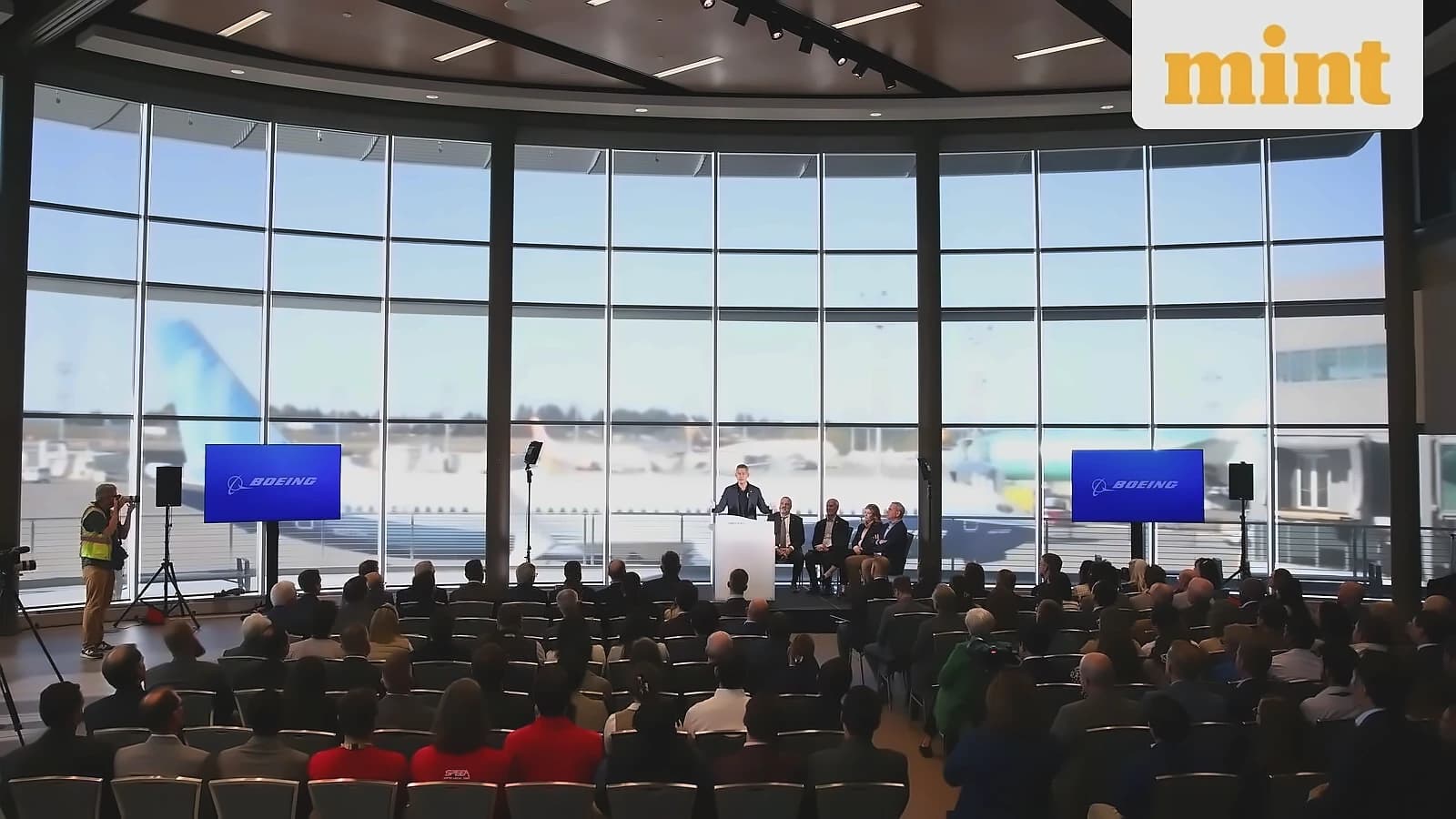
According to Boeing's website, the 737 Max 10 can seat up to 230 passengers and fly for up to 3,100 nautical miles. The aircraft is positioned as one of Boeing's most important new jets, offering airlines a solution to replace the out-of-production 757. As stated by Boeing Commercial Airplanes CEO Stephanie Pope, the Max 10 'offers greater capacity, longer range and the best seat economics in its class'. The Max 10 will typically seat 185-210 passengers, according to Boeing, compared with 175-195 on the Max 9 and 160-180 on the Max 8. The aircraft features a length of 143 feet 8 inches (43.8 meters) and offers the best per-seat operating economics of any narrowbody aircraft available on the market. The single-aisle jet was introduced at the Paris air show in 2017 to help Boeing compete with rival Airbus, but technical and regulatory hurdles repeatedly delayed certification. Boeing now expects to begin deliveries in 2027, with the company having initially expected the first delivery in 2023.
US Transportation Secretary Sean Duffy emphasized that streamlining aircraft certification is essential to America's ability to compete with Europe and China, noting that the Max 10 approval took nearly a decade. The certification represents another milestone in Boeing's efforts to restore its reputation and financial footing after years of safety, quality and production challenges. Boeing executive Mike Sinnett indicated that regulators in Canada and Europe are expected to complete their own Max 10 approvals in 'probably a couple months'. The approval is expected to help Boeing repair its balance sheet and reduce debt, alongside other Max models. Boeing Commercial Airplanes CEO Stephanie Pope noted that 'completing the certification program clears the path for us to deliver a Boeing airplane that will set a new standard in commercial aviation'. With the MAX 10 now certified, all four members of Boeing's 737 MAX family have received type certification from the FAA, giving Boeing a broader range of options to offer airlines as it looks to compete more heavily against Airbus. The Max 10's designation as the largest version of Boeing's bestselling 737 family makes it an important piece of the company's effort to regain ground in the narrow-body market.