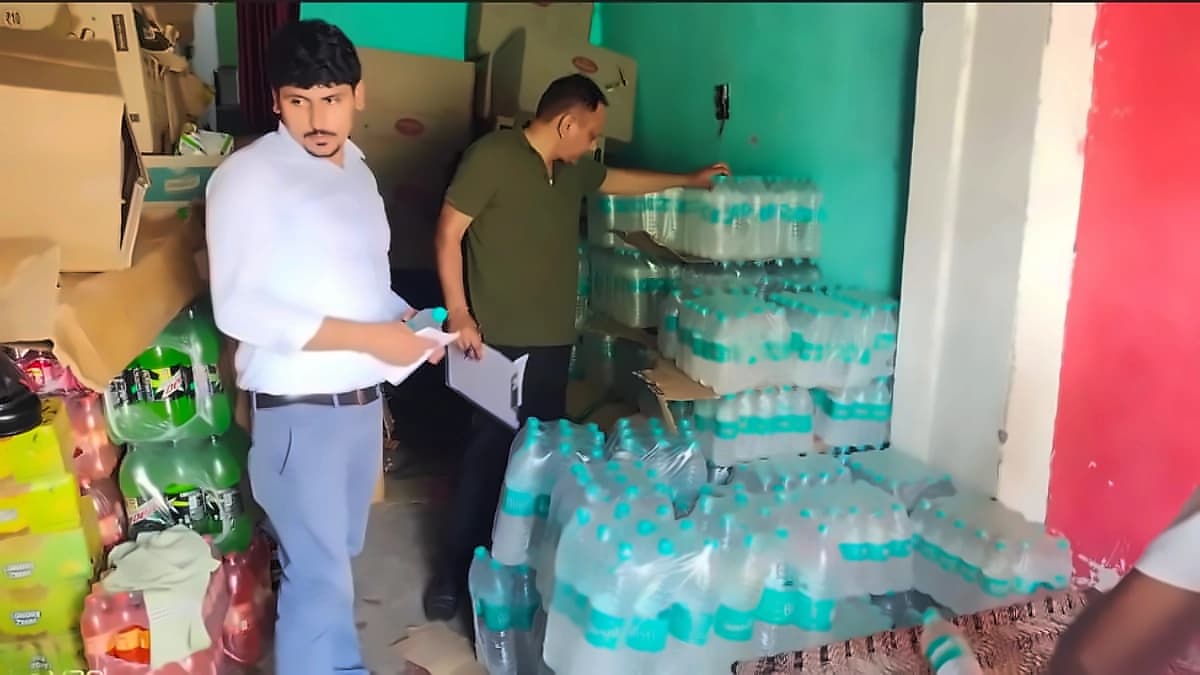
The Food Safety and Standards Authority of India (FSSAI) has sanctioned prosecution against Bisleri International Pvt. Ltd over a packaged drinking water sample declared unsafe under the Food Safety and Standards Act, 2006. According to FSSAI's announcement on November 22, the regulator has authorized taking the case to court, though this is not a finding of guilt. The case stems from six samples drawn from Bisleri's Goa facility on September 30, 2025, with five passing tests and one showing bromate at 12 micrograms per litre (µg/L), above the prescribed limit of 10. A subsequent referral laboratory retest found bromate within the limit but detected polynuclear aromatic hydrocarbons (PAHs), which FSSAI's standard does not permit at detectable levels.
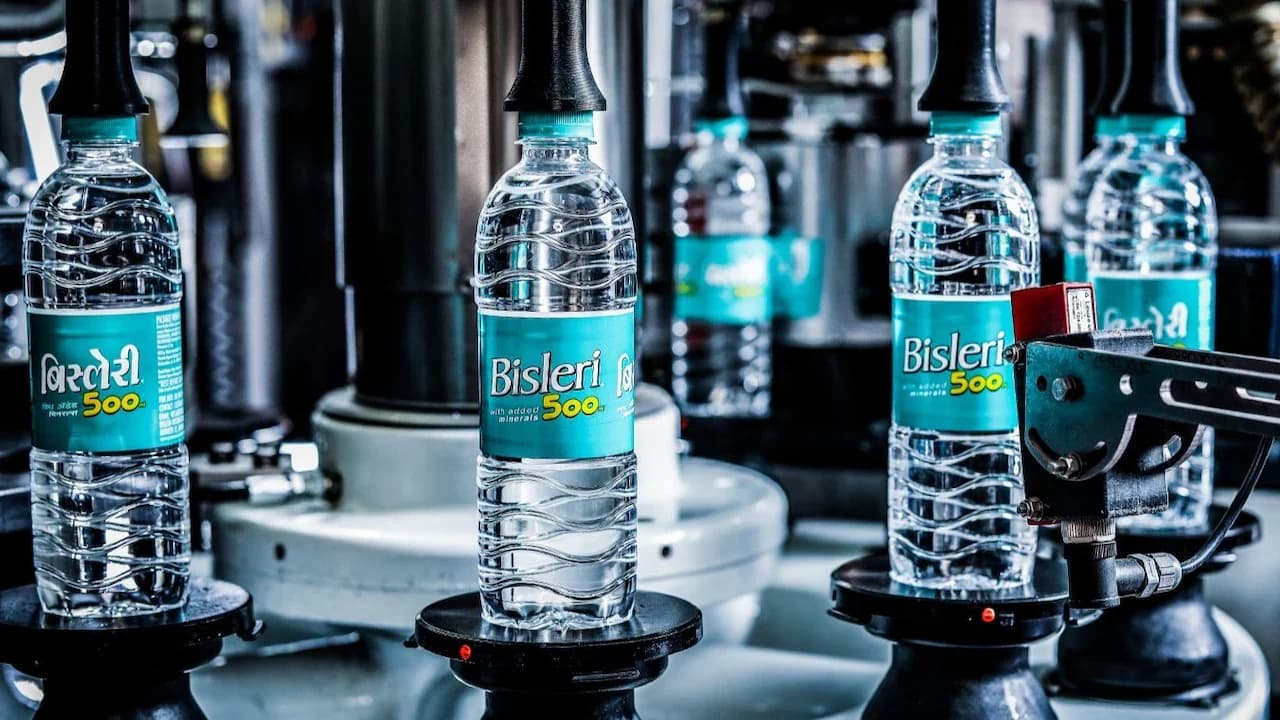
Bisleri has maintained that its water remains safe for consumption and has appealed the FSSAI decision in November 2025. The company reports that retests by approved laboratories showed bromate within the prescribed limit, and it sent independent results to FSSAI's Western Regional Office in a letter dated February 2, 2026. However, Bisleri claims it received no notice by email or hard copy and believed the matter was resolved. The company emphasizes that the issue relates to a single batch made in Goa in September 2025, rather than its entire product range, and operates more than 90 tests across a 10-step manufacturing process with the Goa unit being one of 143 plants.
The case has revived broader questions about packaged water testing practices in India, including what is tested, how often, and what happens when results are disputed. FSSAI's standard does not permit PAHs at detectable levels, though the regulator has not published the specific concentration or compounds found. The sample falls under 'packaged drinking water (other than mineral water)', which covers water from any potable source including public supply systems. No recall has been ordered, and the matter concerns one sample from one of Bisleri's 143 plants. The company runs stringent quality checks and will continue cooperating with regulators, while FSSAI's prosecution proceedings will test two laboratory findings that the authority and Bisleri interpret differently.
Packaged water has faced scrutiny throughout India's modern history, with 34 bottles of 17 brands tested in February 2003 showing 36.4 times more pesticide than European limits on average. In 2015, 27% of samples exceeded 10 µg/L of bromate in Mumbai testing, with readings reaching 43. Parliamentary data revealed that 496 of 1,123 samples analyzed in 2017-18 did not conform to standards. Karnataka's Health Minister reported in April 2025 that 95 of 255 samples were unsafe in a state survey, with most problem samples from local manufacturers. The World Health Organization notes that microplastics in drinking water do not appear to pose a health risk at current levels, while bromate forms when ozone reacts with bromide in source water and is classified as possibly carcinogenic by the International Agency for Research on Cancer.
Bisleri traces its roots to Felice Bisleri, an Italian entrepreneur who originated the brand around the Angelica spring in Nocera Umbra, Italy. The brand was launched in Mumbai in 1965 by the Parle group, which acquired it for ₹4 lakh in 1969. The turning point came in the 1990s when Parle sold major soft-drink brands to Coca-Cola for around ₹400 crore in 1993, after which Bisleri invested aggressively in packaged drinking water, distribution, and marketing. The company introduced the 20-litre pack in 1991 and moved from glass bottles to PVC and PET packaging, transforming how Indians thought about drinking water from a premium hotel item to an everyday purchase.