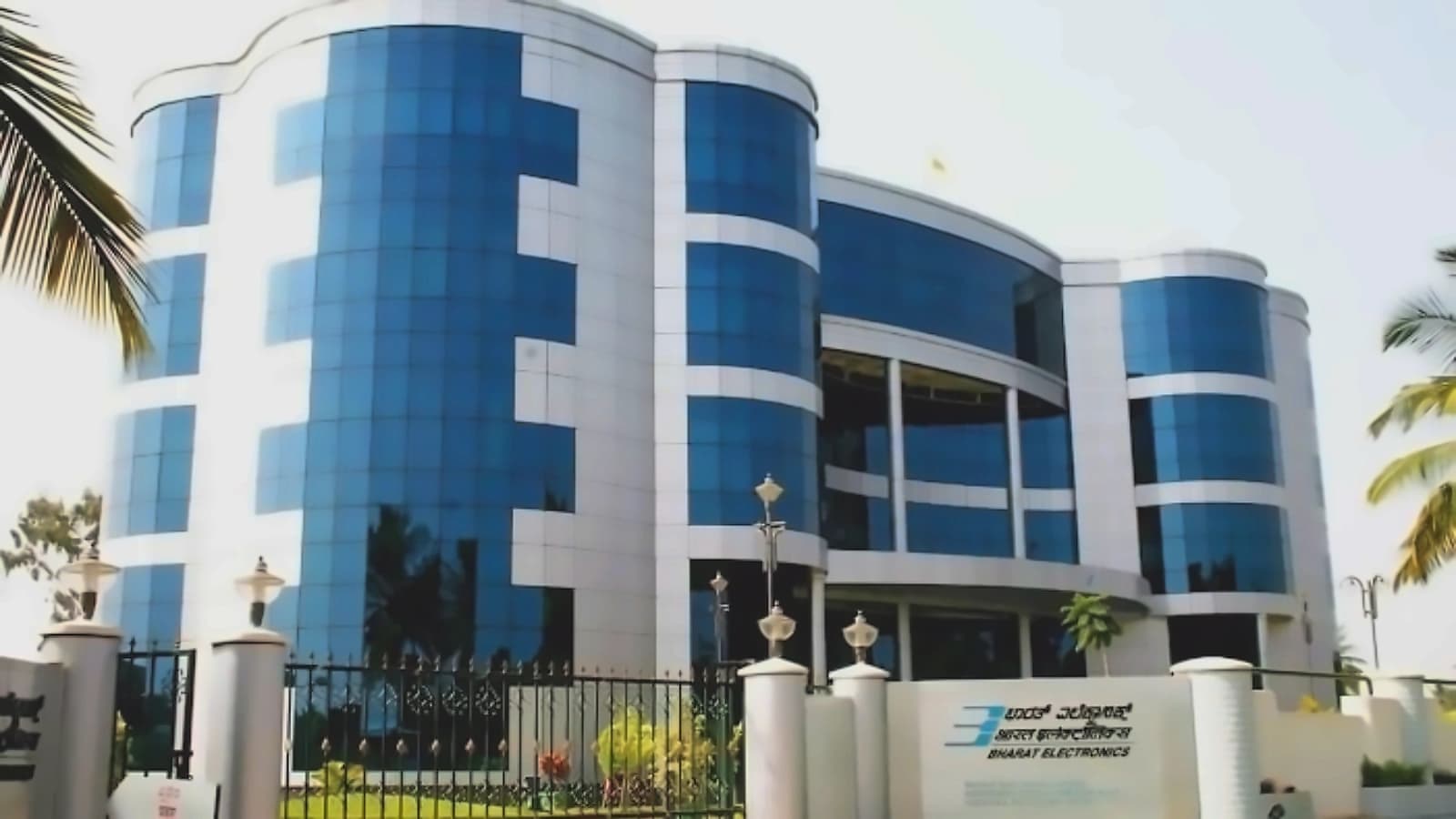
State-run Bharat Heavy Electricals Ltd. delivered exceptional September quarter results that significantly exceeded analyst expectations across all parameters. According to The Economic Times, BHEL reported a consolidated net profit of ₹821 crore for Q2 FY27, marking a 119% increase from ₹375 crore in the corresponding quarter of the previous financial year. The profit was higher than the Zee Business estimate of ₹756 crore and also surpassed the latest market estimate of ₹756 crore. The company reported revenue from operations rose 24% year-on-year to ₹9,300 crore, compared with ₹7,512 crore a year earlier, though this was below the Zee Business estimate of ₹8,319 crore. Total income, including other income, increased 24.3% to ₹9,553.01 crore from ₹7,686.11 crore in the year-ago period. As reported by Zee Business, total expenses rose 17.8% year-on-year to ₹8,482.40 crore compared with ₹7,201.54 crore in Q2 FY6, while other income stood at ₹252.66 crore, registering a 44.9% increase from ₹174.61 crore in Q2 FY6.
BHEL's operational performance was particularly impressive with profit before tax and exceptional items increasing 120.8% to ₹1,070.61 crore from ₹484.87 crore, compared with the Zee Business poll estimate of ₹881 crore. The company achieved profit before tax rising 118.1% to ₹1,089.07 crore from ₹499.23 crore in the year-ago quarter. The strong operational leverage and favorable project mix execution drove this robust performance. EBITDA surged 76.7% year-on-year to ₹1,026 crore from ₹581 crore, with EBITDA margin expanding to 11% from 7.7% in the corresponding quarter last year, indicating an improvement in operating profitability. This margin expansion occurred despite other expenses rising to ₹8,482.40 crore at the end of the September quarter, compared to ₹7,201.54 crore last year. The strong operational leverage and favorable project mix execution drove this robust performance.
Despite delivering exceptional Q2 results, BHEL shares fell 5% on Thursday after hitting a new 52-week high of ₹464 on Wednesday. The U-turn in investor sentiment was in reaction to order inflows sliding to a multi-quarter low of ₹4,000 crore in Q2FY27 from ₹26,700 crore in Q1FY27. According to The Economic Times, the decline was due to a temporary lull in large thermal power orders, though the company's order book at ₹2.6 trillion at the end of Q2 is equivalent to about 6.8 times its trailing twelve months revenue, which remains robust. The management said overall, 2,260MW capacity was added during H1FY27, against a target of 4,790 MW in FY27, with an improvement in capacity addition in H2FY27 being key. The thermal-to-non-thermal mix of the order book stands at 73% to 27%, with ₹70,000 crore from non-thermal sectors including nuclear, transmission, defence, transportation, coal gasification, hydro and services. The significant exposure to thermal power amid rising preference for renewable energy in India has been a lingering concern for investors.

Analysts tracking state-run Bharat Heavy Electricals Ltd. are split right down the middle on whether to be bullish or bearish on the stock after its September quarter results that surpassed analyst estimates by a wide margin. According to CNBC TV18, 21 analysts have coverage on BHEL, of which nine analysts each have a "buy" and "sell" recommendation on the stock, while three others have a "hold" recommendation. Global investment banking firm Macquarie has upgraded BHEL to "neutral" from "underperform" earlier, with a price target of ₹420. At ₹2.5 lakh crore, and a growth of 17% from last year, Macquarie called BHEL's order backlog strong and raised its estimates for the stock given the continued traction in execution and margin expansion. UBS remains "neutral" on BHEL but has raised its price target on the stock to ₹500. However, Jefferies has maintained its "underperform" recommendation on BHEL with a price target of ₹335, which implies a downside potential of 28% for the stock. The firm said in its note that BHEL's industry segment margins have surprised with a 420 basis points expansion, while the power segment saw a 250 basis points expansion. CLSA has an "underperform" rating on BHEL with a price target of ₹351 due to concerns about Chinese suppliers and rising competition in the thermal equipment segment. JPMorgan maintained an 'Underweight' rating and hiked the target price to ₹262 from ₹220, implying a downside potential of more than 43% from Wednesday's close, citing concerns about the very weak order inflows and past track-record of unprofitable execution.
Despite delivering exceptional Q2 results that significantly exceeded analyst expectations, BHEL shares fell 5% on Thursday after hitting a new 52-week high of ₹464 on Wednesday. The stock had gained almost 5% in the previous session following the announcement of its Q2 results, but the latest decline indicates profit booking after the rally. The market reaction reflects analyst concerns about expensive valuations and rising competition in the thermal equipment segment. PL Capital has raised its target price to ₹426 from ₹368, but retained its 'Reduce' rating despite strong quarterly performance, with the revised target implying approximately 8% downside from the report's current market price of ₹464. The brokerage rolled forward to Sep'28E and maintains its 'Reduce' rating, valuing the stock at a PE of 25x Sep'28E, factoring in stronger execution. CLSA maintained its 'Underperform' rating on BHEL and raised its target price to ₹351 per share, noting that the "strong Q2 performance is largely priced in" and warning that Chinese suppliers, JSW Toshiba, L&T, and Thermax entering thermal equipment threaten the company's market dominance. JM Financial, in contrast, maintained its 'Buy' rating and raised its target price to ₹535 per share, valuing the stock at 30 times September 2028 estimated earnings per share. The brokerage highlighted BHEL's ₹2.6 trillion order book, including ₹700 billion from non-thermal businesses, and its net cash position of ₹46 billion. JM Financial expects order inflows of ₹600 billion in FY27 and ₹700-800 billion each in FY28 and FY29. The stock has rallied 55% so far in CY26, though its FY27 price-to-earnings multiple of 42 as per Bloomberg does not lend comfort amid shrinking order inflows.