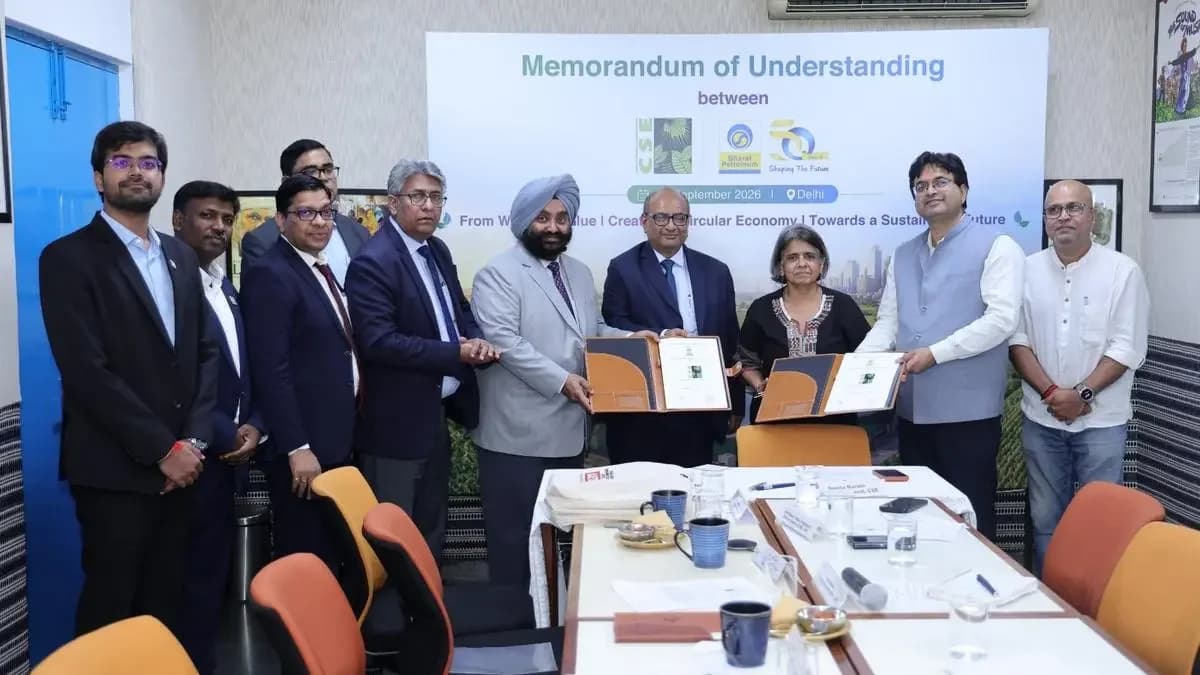
State-owned Bharat Heavy Electricals Limited (BHEL) has signed a strategic collaboration agreement with Thyssenkrupp Nucera India Private Limited for alkaline electrolyser systems to be used in green hydrogen projects in India, as reported by CNBC TV18, Business Standard, Angel One News, PTI, and The Economic Times. The agreement, announced on Tuesday, July 7, covers alkaline electrolyser systems that use electricity to split water into hydrogen and oxygen. When powered by renewable energy, this process produces green hydrogen, which is expected to play a role in reducing emissions from sectors such as steel, fertilisers, refineries and heavy transport. Under the partnership, BHEL will collaborate with thyssenkrupp nucera India to manufacture Alkaline Electrolyser Systems, a key technology used to produce green hydrogen through water electrolysis powered by renewable energy. The collaboration was signed at BHEL's Corporate Office, New Delhi, India, marking another decisive step in thyssenkrupp nucera's strategy to strengthen its position in one of the world's most important future green hydrogen markets.
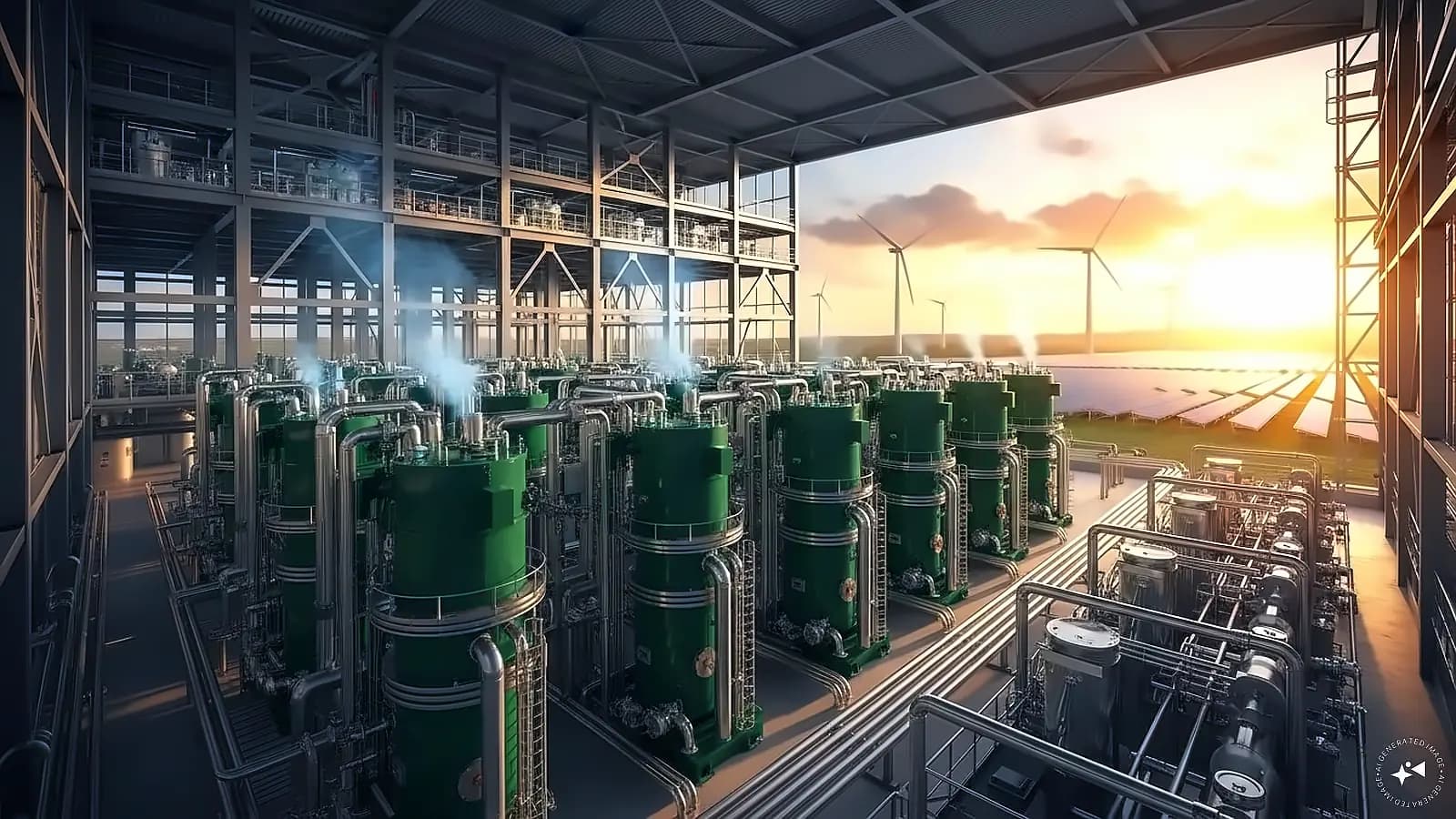
According to the company filing reported by CNBC TV18, Business Standard, Angel One News, PTI, and The Economic Times, the collaboration is intended to support phased indigenisation and local manufacturing of alkaline electrolyser systems in India. The arrangement is also expected to strengthen BHEL's project execution capabilities for green hydrogen projects. Thyssenkrupp Nucera India Private Limited is the Indian subsidiary of Germany-based Thyssenkrupp Nucera AG, which develops electrolysis technologies for green hydrogen production and chlor-alkali plants. The partnership focuses on phased localization of alkaline electrolyzer module fabrication in India, combining BHEL's engineering and manufacturing expertise with thyssenkrupp nucera's technology to establish a strong domestic production base for green hydrogen equipment. The collaboration combines BHEL's engineering, manufacturing, and project execution capabilities with thyssenkrupp nucera's proven electrolysis technology to jointly participate in tendering processes for green hydrogen projects in India, as reported by thyssenkrupp nucera.
As reported by CNBC TV18, Business Standard, Angel One News, PTI, and The Economic Times, the collaboration is expected to contribute to the National Green Hydrogen Mission and support the Government of India's Make in India initiative. The Union Cabinet in 2023 approved the National Green Hydrogen Mission with an outlay of ₹19,744 crore. It aims to establish India as a global hub for the production, use and export of green hydrogen and its derivatives. The programme targets annual production of at least 5 million tonne of green hydrogen by 2030, supported by the deployment of electrolyser manufacturing capacity and additional renewable energy generation. The availability of domestically manufactured electrolysers is expected to play a crucial role in achieving this target by lowering project costs, strengthening supply chains, and supporting the large-scale deployment of green hydrogen projects across industries. For BHEL, the partnership expands its presence in the fast-growing renewable energy sector and enhances its capability to execute integrated green hydrogen projects in the future.
According to the filing reported by CNBC TV18, Business Standard, Angel One News, PTI, and The Economic Times, electrolysers are considered a key component of the green hydrogen value chain, and the government has introduced the Strategic Interventions for Green Hydrogen Transition (SIGHT) to encourage domestic manufacturing with an outlay of ₹4,440 crores as part of efforts to reduce import dependence and build a local supply chain. Financial details of the agreement were not disclosed, with the consideration listed as confidential. The collaboration represents a strategic move for BHEL as it broadens its portfolio beyond conventional power equipment, positioning the company to participate in emerging opportunities across hydrogen, renewable power, and industrial decarbonisation. For thyssenkrupp nucera, the collaboration further anchors the company's technology and business interests in India, building on its strong global track record and proven electrolysis technology.
As reported by CNBC TV18, Business Standard, Angel One News, PTI, and The Economic Times, shares of BHEL were 2.66% lower at ₹377.15 on the BSE following the announcement, with the stock touching an intraday high of ₹389.90 and low of ₹375.70 on July 7, 2026. The stock declined despite the announcement, trading with volumes of 3.78 lakh shares against a five-day average of 11.72 lakh shares, a sharp decrease of 67.75%, suggesting the market's reaction was driven more by broader capital goods sector weakness than the collaboration news itself. The partnership represents a significant step in India's clean energy transition and aligns with the country's strategic goals to reduce carbon emissions and establish domestic manufacturing capabilities in the green hydrogen sector. With the clean energy transition gathering pace, BHEL share price is expected to remain on investors' radar as the company expands its footprint in the renewable energy ecosystem, strengthening its role in India's green hydrogen ambitions while creating new long-term growth opportunities.