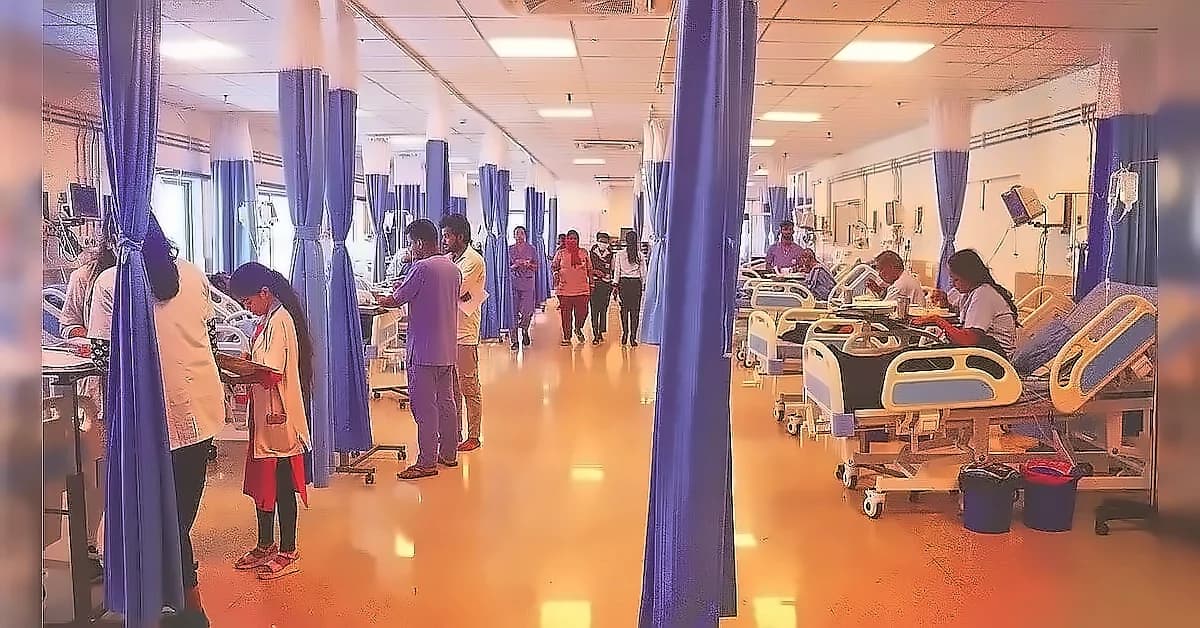
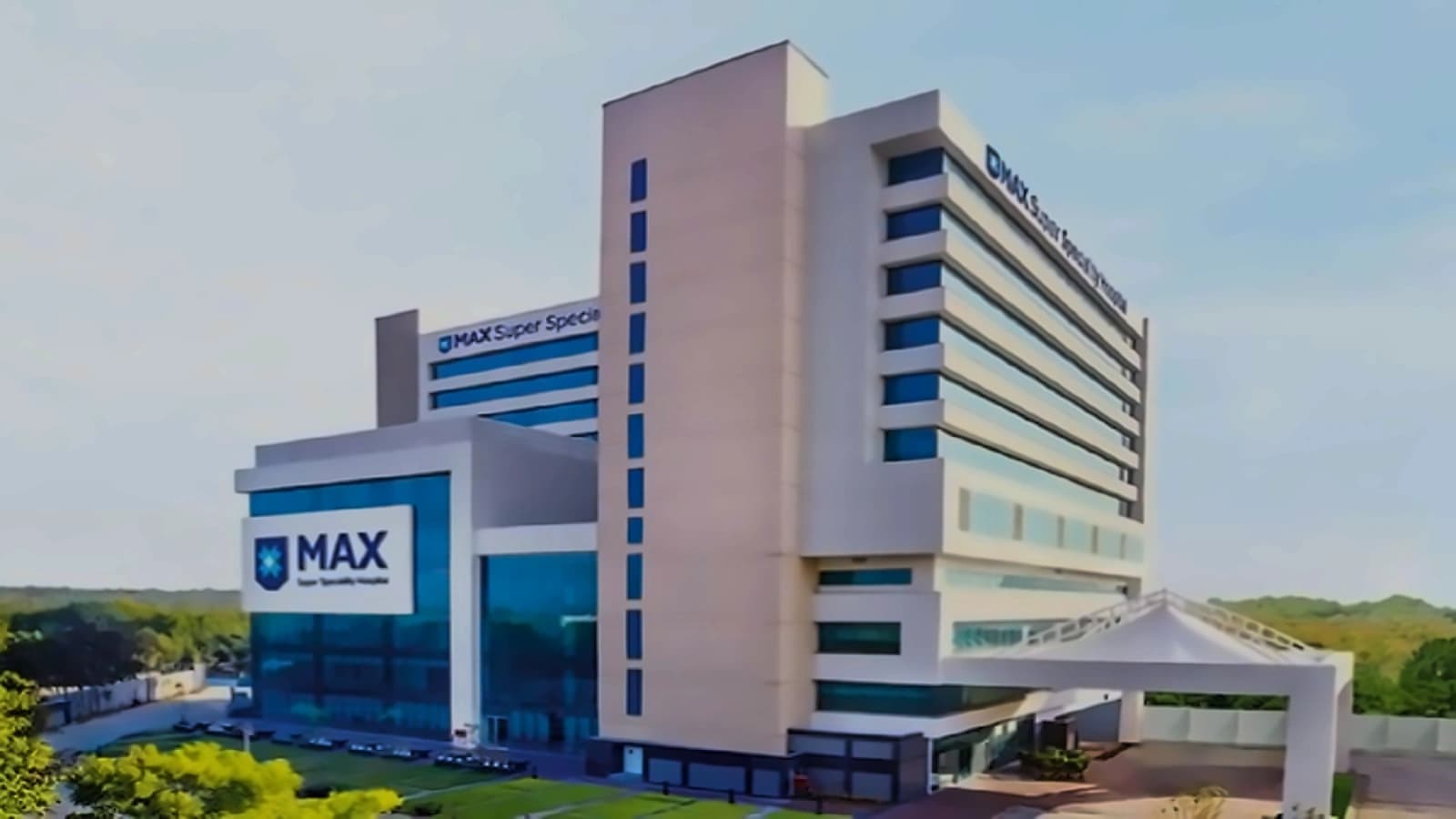
Aster DM Healthcare's board approved a comprehensive reconstitution effective 1 July 2026, following the successful completion of its merger with Quality Care India Limited. The board meeting commenced at 12:30 PM (IST) and concluded at 3:55 PM (IST). According to the official exchange filing, the merger brings together four trusted healthcare brands - Aster DM, CARE Hospitals, Evercare and KIMSHEALTH. Varun Khanna has been appointed as Managing Director & Group CEO with a 5-year term, while Dr. Azad Moopen continues as Executive Chairman. The board also approved amendments to the ESOP Scheme 2026, renaming it and updating grant eligibility and pricing formulas. The maximum options that can be granted under the revised scheme shall be 1,52,54,268 equity shares of face value ₹10 each, with exercise price set at ₹319.40 per option for grants completed within 90 days of effective date.
The merged entity operates 39 hospitals across 28 cities and over 10,600 beds, as reported by Business Standard. The company is uniquely positioned to expand access to specialist care, advanced treatment and cutting-edge medical technology across India's tier 2 and tier 3 cities. These locations include Nagpur, Aurangabad, Vijayawada, Guntur, Bhubaneswar, Raipur, Nagercoil, Kolhapur, Kannur, Kasaragod, and Kottakkal, reducing the need for patients to travel to metropolitan centres for complex healthcare. The combined entity has announced plans for long-term expansion exceeding 15,000 beds, significantly scaling the healthcare platform's capacity. The board also approved extensive changes to Senior Management Personnel effective 1 July 2026, including appointments of regional CEOs for India (I, II, III) and Bangladesh, along with new appointments for Chief Digital Officer, Group Chief People Officer, and Group Legal Officer.
According to Business Standard, with a strong footprint across South and Central India, Aster Quality Care will have a significant presence in several underpenetrated fast-growing healthcare centres beyond the metros. The merger creates a platform focused on expanding specialist healthcare access across Tier-2 and Tier-3 cities while investing in next-generation medical technologies. These centres will play an increasingly important role in the group's long-term strategy to decentralise affordable and advanced healthcare by expanding specialist services, investing in cutting-edge technologies and strengthening centres of excellence closer to where patients live. The revised organisational structure includes regional CEOs for India (I, II, III) and Bangladesh, positioning the company for targeted growth in key markets while maintaining operational efficiency across its expanded network.
The merged entity is planning significant investments in high-end clinical infrastructure to make advanced medical care more accessible in smaller cities. According to Moneycontrol, the company will accelerate investments in Gamma Knife and stereotactic radiosurgery systems, 10 robotic surgical platforms and 12 additional LINAC-based radiation therapy systems across smaller cities. These advanced technologies include LINAC-based radiation therapy systems and robotic surgery programmes that have already been introduced in non-metro locations. The strategy builds on previous investments that introduced advanced technologies in non-metro locations, with the goal of making specialised cancer treatment and other advanced procedures more accessible closer to patients' homes. The company is backed by a workforce of over 45,000 healthcare professionals and plans to expand bed capacity to more than 15,000 over the next few years.
While the merger significantly expands the company's healthcare footprint, realizing expected synergies depends on smooth operational integration, execution of expansion plans, and maintaining consistent clinical quality across the enlarged network. The integration of multiple hospital networks requires disciplined execution, and achieving projected operational synergies may take time. Management expects the merger to generate synergies across clinical collaboration, technology adoption, procurement, digital health and operational efficiency. Doctors across the network are expected to work more closely through shared protocols, multidisciplinary consultations and integrated centres of excellence, helping standardise care across locations. The board also approved the cessation of several senior management roles, including Mr. Hitesh Dhaddha as Chief Investor Relations and M&A Officer, effective from close of business hours on 18 July 2026, citing personal reasons. Calling the merger a defining milestone, Dr. Azad Moopen said the combination creates a stronger institution built on shared clinical expertise and patient care values, while Varun Khanna emphasized the immediate priority is seamless integration while ensuring continuity for patients, doctors, employees and partners.