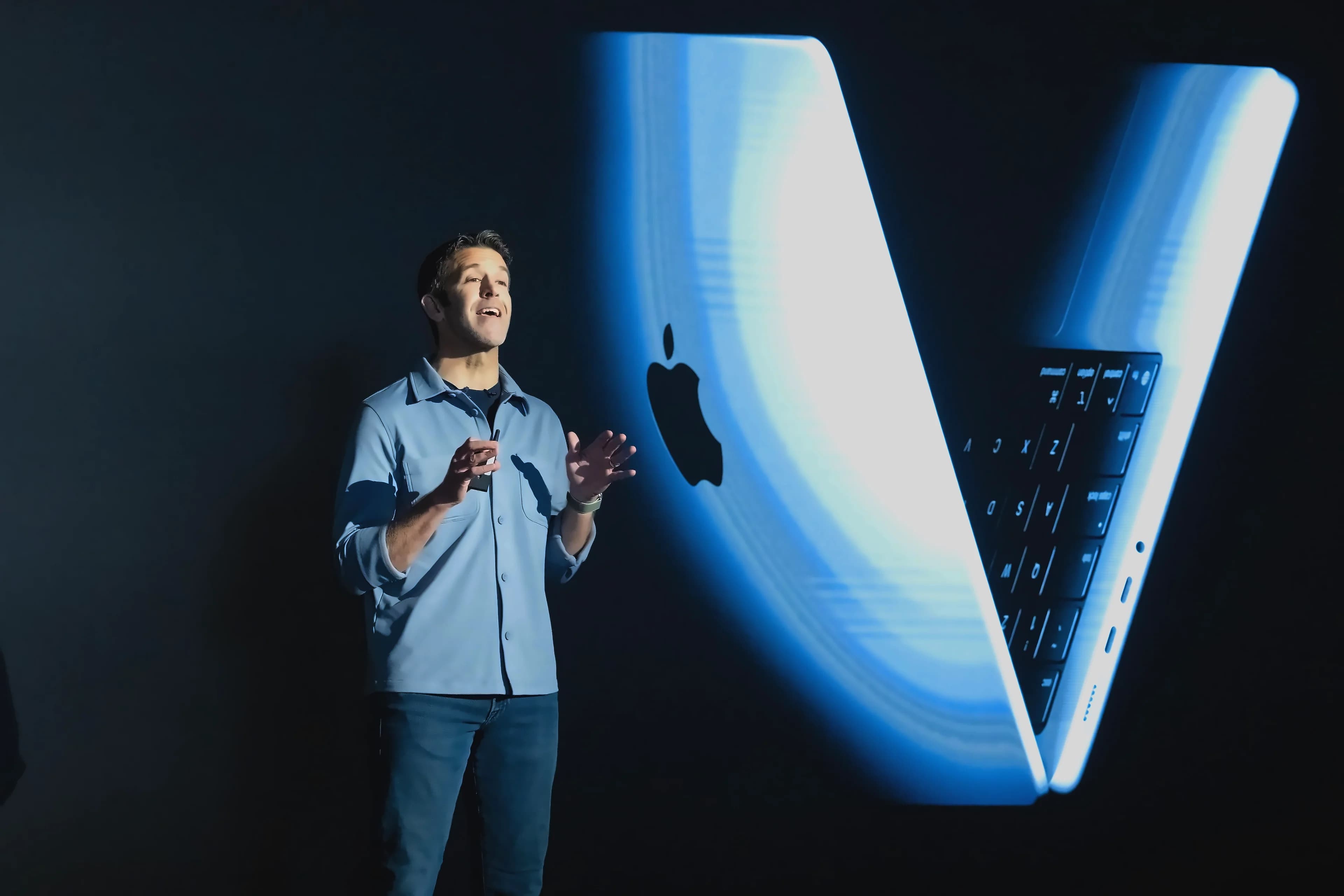
Apple delivered strong fourth-quarter results that beat Wall Street forecasts, with diluted earnings per share of $2.10, ahead of the consensus estimate of $1.99 and up 14% from the same period last year. The company exceeded analyst expectations of approximately $2.00 per share and $113.4 billion in revenue. According to latest reports, Apple's revenue came in at $114.48 billion for the quarter, exceeding Wall Street estimates of $113.39 billion, while iPhone revenue hit a September-quarter record of $57.58 billion, above analyst estimates of $56.54 billion. The results marked the company's best fiscal year ever, with CEO John Ternus hosting his first earnings call as Apple's leader since taking over from Tim Cook in September. However, Apple shares fell as much as 3% in after-hours trading despite the strong results, as market participants were disappointed by the company's forward guidance and margin concerns.

Despite the overall strong performance, Apple's Greater China sales grew 21% to $17.5 billion, but fell about $1 billion short of analyst expectations of $18.55 billion. The shortfall in China, one of Apple's most important markets, represents a significant miss against forecasts. Additionally, iPad sales declined 10% to $6.23 billion, missing estimates of $6.70 billion, while wearables, home and accessories generated $8.30 billion against expectations of $9.06 billion. The mixed regional performance highlights the challenges Apple faces in maintaining growth across all markets, particularly as competitors intensify competition in the Chinese market.
For the ongoing quarter, Apple expects revenue to grow between 7% and 10%, which is higher than the 6.1% that analysts were looking for on average, but still slower than the 12% growth seen in the fourth quarter. Gross margins are likely to be between 45% to 46%, behind the average estimate of 47% and also slower than the 47.9% reported in the quarter gone by. The weak guidance disappointed investors, contributing to the stock's decline in extended trading. Tariff refunds contributed approximately $0.05 per share towards Apple's EPS, helping offset some of the margin pressure from supply chain challenges, though these benefits are not expected to recur. Product gross margin degradation remains a key near-term issue, according to Bloomberg Intelligence analysts, with higher memory costs and expenses related to the new Siri AI digital assistant weighing on margins.
Apple faces ongoing pressure from rising memory-chip costs that continue to impact profitability. As reported by multiple sources, memory chip costs remain the pressure point, with AI data centers buying up supply and SK Hynix forecasting a memory shortage until 2030. To offset these costs, Apple raised prices for its iPhone 17 models by $100 and increased prices on some MacBook models alongside the launch of its latest iPhone 18 Pro lineup. The company's gross margin came in at 47.9%, ahead of analyst estimates of 47.5%, with tariff refunds adding one percentage point. Cook had previously called the memory cost increases a '100-year flood' during the company's current fiscal first quarter, highlighting the sustained nature of these supply chain challenges. Higher memory costs compared with the June quarter were partly offset by inventory benefits and lower costs for certain non-memory components, according to CEO Ternus.
Apple is implementing a new product launch strategy under CEO John Ternus, spacing iPhone releases throughout the year rather than the traditional autumn launch pattern. iPhone Pro and Duo models shipped this year, with other iPhone models expected next year, marking a significant departure from Apple's nearly two decades of autumn-only iPhone launches. The company also released its first touchscreen laptops and first smart-home hub during the current holiday shopping quarter. However, iPhone Duo supply constraints persist despite customer complaints about cracked displays. In an interview with Reuters, Ternus confirmed that only a very small percentage of iPhone Duo units have been returned for display issues and that Apple is replacing the affected devices, though the company cannot predict when supply and demand will be in balance. Ternus also highlighted that a regular iPhone18 and the new iPhone Air are not arriving until the first half of 2027, as Apple usually launches new phones in September but only released the iPhone18 PRO line this time around.
Apple shares closed at $338.32 on Monday, down 1.83%, and fell as much as 3% in after-hours trading despite beating earnings forecasts. The stock had touched an intraday low of $335.82, marking a decline of 2.6% from its previous closing price of $344.63. Looking ahead, analysts expect $2.88 per share for the December quarter, as reported by Nasdaq data. The company's forecast for the crucial holiday quarter will be closely watched to determine whether its blitz of new products can help offset rising costs. Despite the weak guidance, Ternus said that the company has never been more confident that the best is yet to come, helping the stock recover slightly from its extended trading lows. A rally in recent months - fueled in part by Apple's reputation as a haven from AI tumult - added roughly $1 trillion to Apple's market value, though against that backdrop, current performance has disappointed investors.