APL Apollo Tubes Ltd. achieved its highest-ever quarterly sales volume of 963,143 tonnes in Q2FY27, representing a 13% year-on-year increase from 855,037 tonnes in Q2FY26, according to the company's official announcement made on October 1, 2026. The company's Q2FY27 sales volume also demonstrated strong sequential growth, rising 29% quarter-on-quarter from the 744,823 tonnes recorded in Q1FY27. This performance represents a striking recovery from the 6% year-on-year drop in Q1, as reported by multiple sources, reflecting the company's position as the world's largest branded structural steel tube company. However, the stock declined about 3% after the Q2 update, indicating mixed market reception despite the record performance.
The detailed product category sales for Q2FY27 showcased strong performance across multiple segments. The APL Apollo brand accounted for 774,751 tonnes, representing an increase from 653,680 tonnes in Q2FY26. The SG Premium Brand registered 26,910 tonnes, while UAE operations contributed 26,227 tonnes. Notably, roofing products sales saw significant improvement, totalling 135,255 tonnes, up from 105,071 tonnes in the same period last year. However, UAE volumes in Q2 dropped 55%, hit by West Asia disruptions, while the low-priced SG Premium brand saw a 30% dip in volumes, following a more than tripling of volumes in Q1, as reported by multiple sources. Excluding the UAE operations, which contributed 6% of FY26 volumes, overall Q2 growth was 18%.
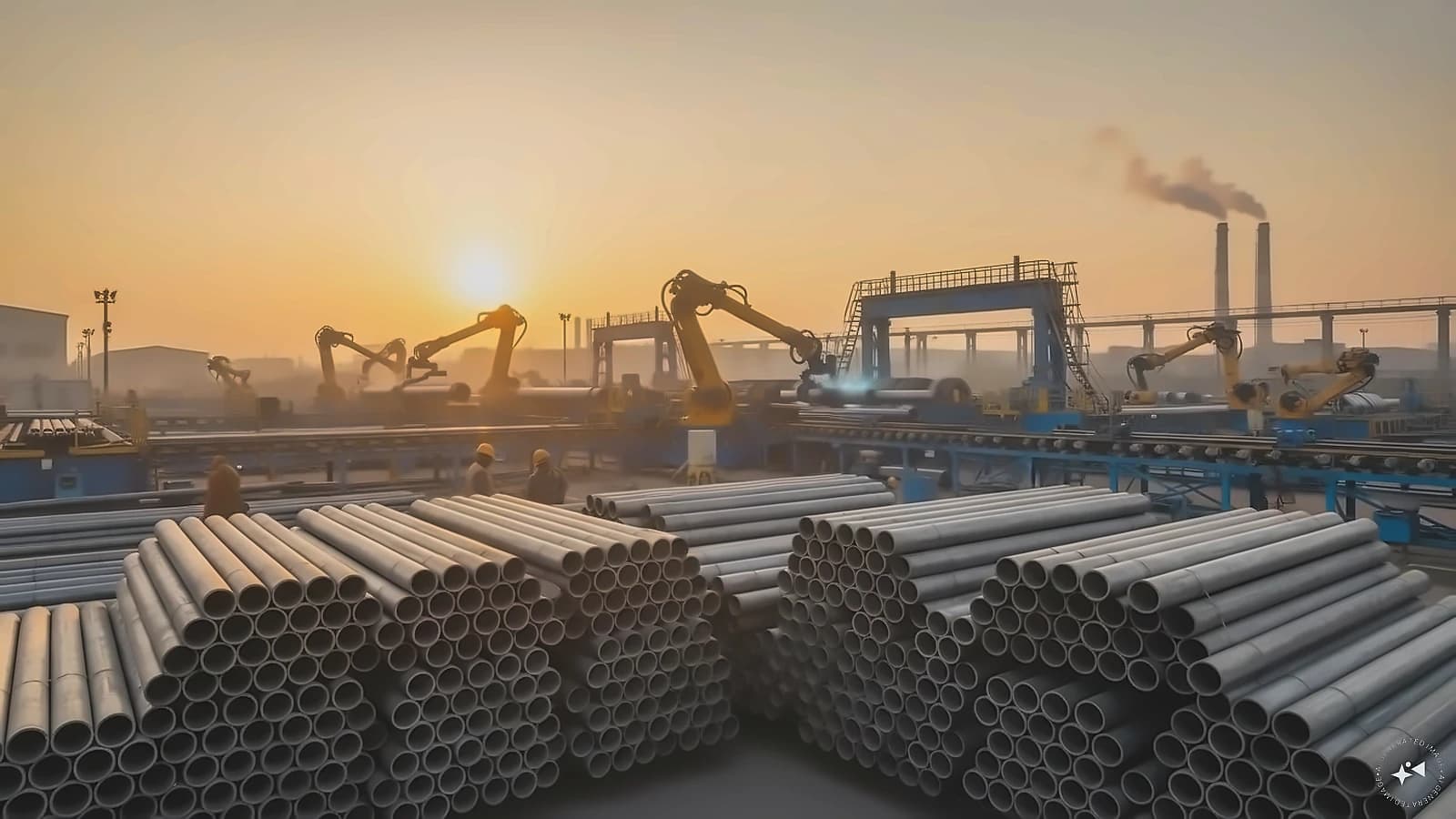
For the first half of FY27, APL Apollo Tubes reported sales volume of 1,707,966 tonnes, marking an increase of 4% year-on-year, as reported by the company's official announcement. Despite the recovery in Q2, April-September (H1FY27) volume growth was barely 4%, well short of management's guidance of 15-20% for FY27, as reported by multiple sources. This performance gap may prompt the company to lower its growth guidance after the Q2 performance, which could make investors nervous about achieving full-year targets. The company's extensive manufacturing infrastructure includes 11 facilities across India and operations in the United Arab Emirates, supported by a robust production capacity of 5 million tonnes.
The company faces headwinds from steep rise in hot-rolled coil (HRC) prices, prompting distributors to be cautious about inventory build-up, according to multiple reports. Despite these challenges, profitability may hold up with JM Financial Institutional Securities expecting Q2 Ebitda to remain broadly at ₹5,500 per tonne, similar to Q1, as reported by Bloomberg. The brokerage noted that "going forward, the company's ability to sustain margins while navigating elevated HRC prices remains a key factor to monitor." Q1 Ebitda had increased by 11% year-on-year to ₹410 crore, despite lower volumes, as the management prioritised profitability over growth. APL's shares trade at a FY27 price-to-earnings ratio of 41 times, as per Bloomberg.
The company is increasing its capacity to 8 million tonnes per annum (mtpa) over the next 2-3 years from 5 mtpa currently, through greenfield expansion along with debottlenecking measures, as reported by multiple sources. Two plants, with a combined capacity of 0.5 mtpa in the eastern and north-eastern region, are expected to be commissioned in Q3, improving regional servicing. The management expects earnings to improve by FY28 with rising share of value-added products from the current 65% to 75-80%, which should also reduce the sensitivity to steel price fluctuations. Emerging opportunities, such as solar-related applications, should also add to revenues, with the segment's share expected to contribute up to 5% of revenue over the next 2-3 years.