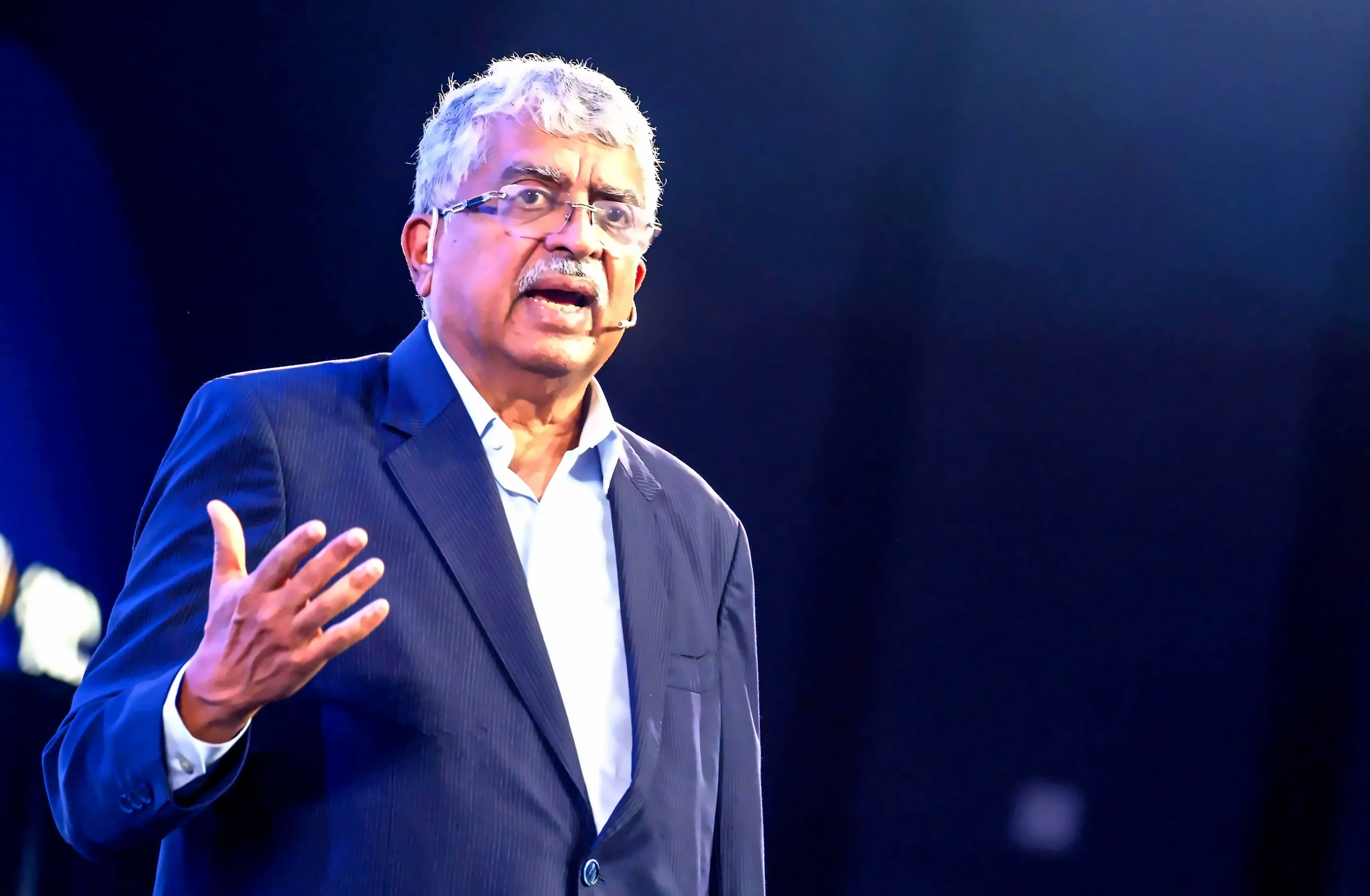
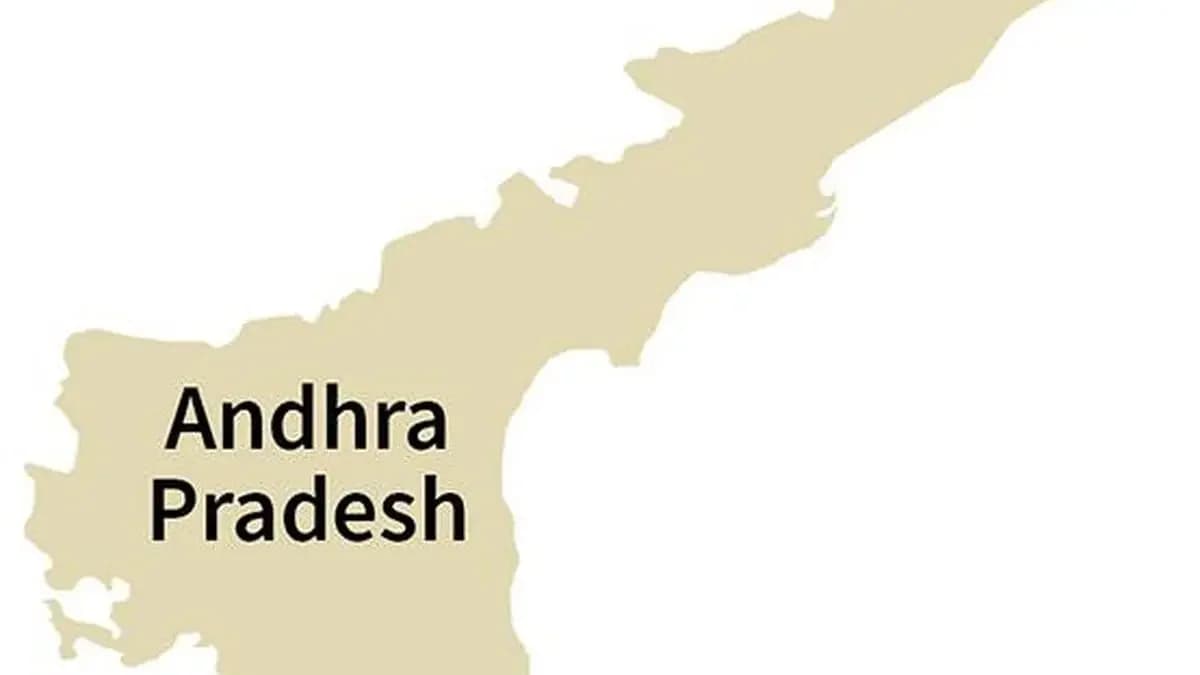
Andhra Pradesh Chief Minister N Chandrababu Naidu on Wednesday inaugurated the commercial operations of India's first private gold mine at Swarnagiri (formerly Jonnagiri) in Kurnool district. The project, operated by Geomysore Services India Pvt Ltd (GMSI) and Deccan Gold Mines Limited, has completed trial runs and will commence commercial production after the formal inauguration. This marks a significant milestone as India's only operational private primary gold mine post-Independence, positioning Andhra Pradesh as a key gold mining hub. The mine spans 1,500 acres across the Tuggali mandal, with mining activities initially commencing on 600 acres in the first phase, taking in the villages of Jonnagiri, Erragudi and Pagadirai, and is described as 'the first private sector gold mine with an integrated processing facility' in the country in 70 years. The host village Jonnagiri was symbolically renamed 'Swarnagiri' by the state cabinet to support processing logistics.
The ₹405 crore project is expected to produce up to 1,000 kilograms of refined gold annually at peak capacity with an estimated mine life of around 15 years. The company's own mining plan permits working the deposit at 0.4 million tonnes a year. GMSI estimates the workforce at about 300 direct and 300 indirect jobs, with the project expected to generate employment for around 700 people based on current estimates. The mine is spread across nearly 598 hectares with current certified gold resources standing at approximately 13.1 tonnes, with exploration indicating the potential for larger resources across the broader mineralised belt. Following the launch of the first unit, CM Naidu laid the foundation stone for a second unit as part of the mine's expansion plans, with the plant expected to be expanded to the remaining area in the second phase. The project represents a transformative shift for Deccan Gold Mines, moving from a capital-intensive exploration phase to a cash-flow-generating operational phase, with the backing of the state government reducing friction often seen in large-scale mining projects in India.
The state government will receive a 4% royalty on the value of gold produced, with estimated annual revenues of about ₹57 crore from 400 kg of gold output and ₹144 crore from 900 kg. Deccan Gold Mines reported a profit after tax of ₹7.62 crore for the quarter ending March 31, 2026, reversing previous losses and providing a solid financial foundation for expansion. Under the Mines and Minerals (Development and Regulation) Act, the lease-holder must also pay a share of the royalty to the District Mineral Foundation, with the share fixed at 30% of the royalty for leases granted before 2015 and 10% for those won at auction since. The project will source approximately 0.021 TMC of water from the Handri Neeva Sujala Sravanthi scheme through an 18-km pipeline. Additionally, the project is expected to boost state revenues through royalties, district mineral foundation contributions, and other statutory payments.
Principal secretary (mines and geology) Mukesh Kumar Meena revealed that the Chigurgunta-Bisanatham block in Chittoor district has estimated ore resources exceeding 2.2 million tonnes, with an average gold grade of 5.64 grams per tonne. The block is being put up for auction via the unified mining portal through MSTC in the fresh round of Major mineral auction. Multiple prospective sites in Anantapur district — including Boksampalli (north and south), Ramagiri (north and south), and six Javakula Gold Blocks — collectively represent thousands of hectares of prospective gold-bearing terrain within the Ramagiri and Veligallu Greenstone Belts. These belts are geologically comparable to the famous Kolar and Hutti gold belts and have a documented history of gold mining dating back more than a century. The State government is currently undertaking advanced exploration programmes through the Geological Survey of India and Notified Private Exploration Agencies to establish commercially viable resources in these blocks before bringing them to auction.
The market has responded positively to the operational milestone, with Deccan Gold Mines shares showing strong performance across multiple timeframes. As of June 25, 2026, the stock was trading at ₹194.40, with a 52-week high of ₹235.00 and 52-week low of ₹83.75. The company has demonstrated exceptional returns, gaining 47.67% over the past year compared to peers like Coal India (11.16%) and Vedanta (-38.16%). From a 5-year perspective, Deccan Gold Mines has outperformed Coal India (23.97%) and Vedanta (0.84%). The stock's market capitalisation stands at ₹3,828.74 crore as of June 25, 2026. However, recent trading shows some volatility with the stock declining 8.30% in the latest session, reflecting typical market dynamics around major operational announcements.