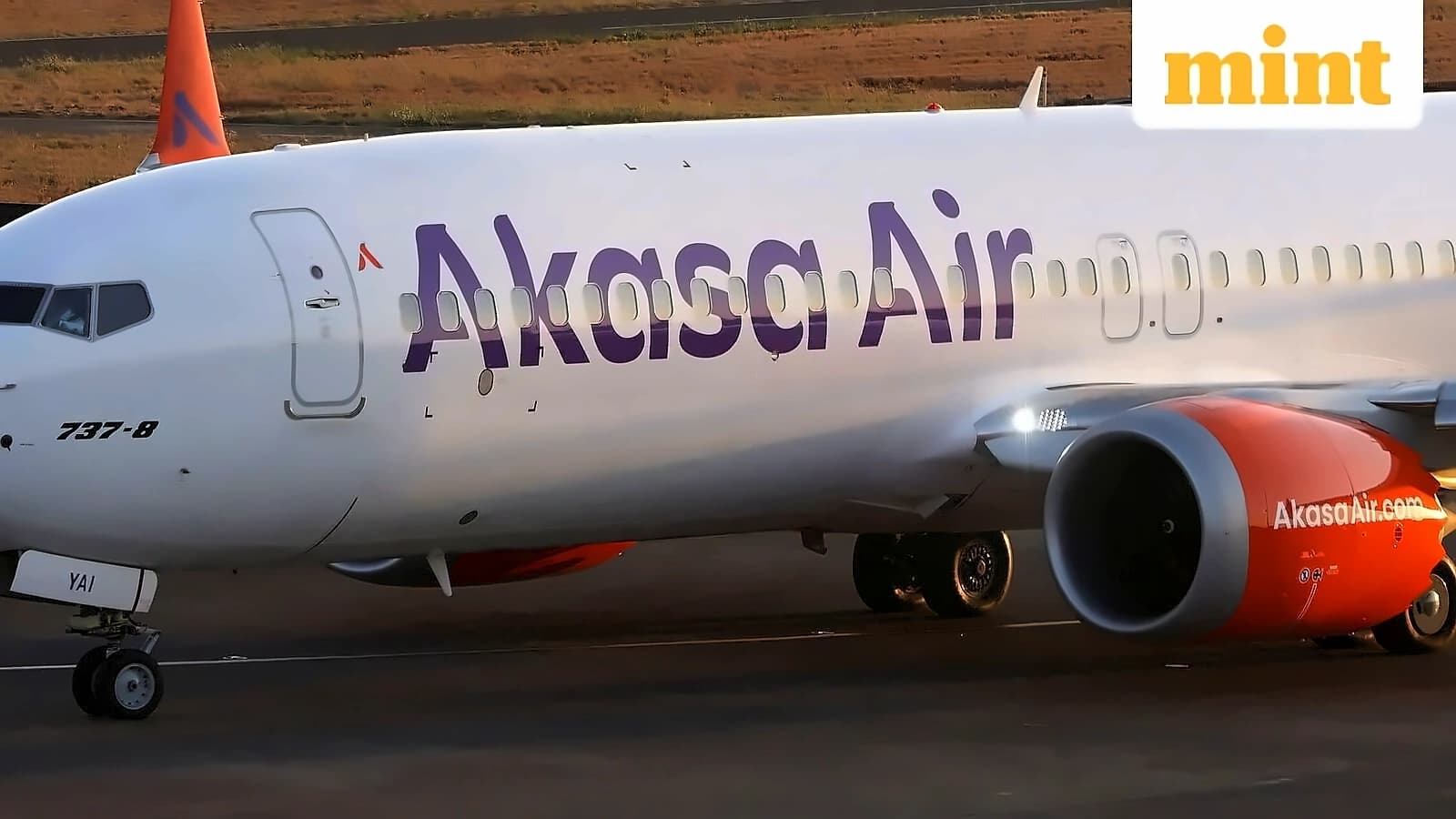
According to latest reports, Akasa Air has crossed the 40-aircraft fleet milestone as its 40th aircraft, registered VT-YBQ, completed the Customer Acceptance Flight on 17 June, marking another significant step in its rapid expansion strategy. The airline has inducted nine Boeing 737 MAX aircraft in 2026 alone, with five more aircraft scheduled for delivery before the end of the year. This achievement reflects the airline's transition from early-stage growth into a more structured phase of network development, providing stronger scheduling stability, improved aircraft utilisation, and better resilience against operational disruptions.
According to Business Standard, Akasa Air's Chief Financial Officer Ankur Goel has termed the financial year 2025-26 (FY26) a "watershed year" for the airline, demonstrating remarkable resilience despite intense macroeconomic and industry-wide headwinds. The airline successfully added 10 brand-new aircraft to its fleet in FY26, maintaining its strategic edge of operating with no legacy leased fleet. This rapid expansion helped push Akasa Air's capacity up by approximately 30% on Year-on-Year basis, while the airline managed to reduce its losses compared to the previous fiscal year, signalling a much clearer path toward breaking even. As of FY26, Akasa had a fleet of 37 aircraft after adding 10 new Boeing 737 MAX aircraft during the financial year, with the airline currently operating 39 aircraft.
As reported by Business Standard, the airline achieved significant profitability milestones in FY26, with EBITDA margins improving by roughly 60% YoY, driven by a 4% reduction in overall unit costs. Most notably, Akasa Air managed to keep its EBITDA positive for six months during the challenging fiscal year, from September to March. The airline's unit revenue, a metric that measures revenue earned per seat kilometre flown, rose about 10% in FY26 despite rapid expansion, demonstrating strong operational efficiency. The airline currently operates 39 Boeing 737 MAX aircraft and has been flying for nearly four years, with approximately 25% of its capacity deployed in international routes. Goel noted that a key milestone came between September and March, when the airline generated positive EBITDAR—earnings before interest, taxes, depreciation, amortization, and rent—for six consecutive months.
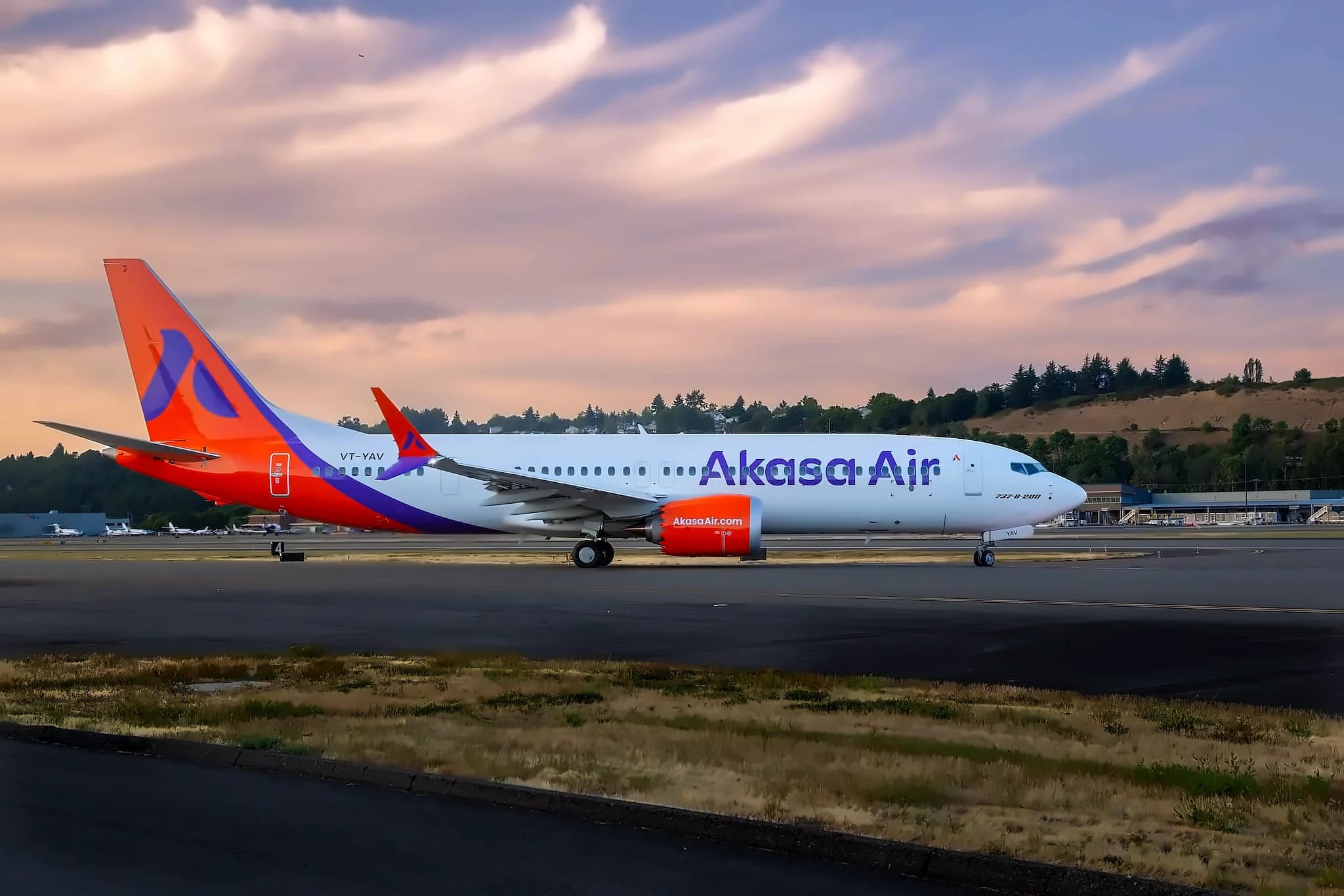
According to Business Standard, for the upcoming fiscal year (FY27), Akasa Air aims to increase capacity by 30-40% and expand its passenger-handling capacity by more than 30% year-on-year. The airline currently connects 27 domestic and 7 international destinations, with international operations having been scaled effectively and slated for continuous expansion. To support this trajectory, the company is actively maintaining its pilot hiring momentum. These milestones serve as stepping stones toward Akasa Air's aggressive long-term objective: scaling its operations to a massive fleet size of 226 aircraft by the year 2032. The airline launched Phuket services during FY26 and is preparing to start flights to Hanoi as it expands its footprint in Southeast Asia and the Gulf region. Goel emphasized that the airline is "growing at about 30-40% year-on-year for the next five years" and plans to steadily increase the share of international operations in its network, with international flying currently accounting for about 25% of capacity and the airline aiming for around 40% share over the next few years.
According to Business Standard, Akasa Air is targeting an initial public offering (IPO) within the next two to four years, though CFO Ankur Goel stressed that listing plans would follow business performance rather than drive it. "IPO will happen for us. It's not a question of if, it's a question of when. We are not creating an airline to do an IPO. We are creating an airline that really creates value," he said. Milestones such as sustained EBITDA positivity, positive cash flows and overall profitability would guide the timing of the listing. Addressing ongoing industry challenges, Goel emphasised that the domestic carrier is grappling with "unprecedented fuel price pressure" as reported by ET Now. However, he expressed confidence that these short-term challenges are temporary, with the airline remaining "cautiously optimistic" as fuel prices have eased from crisis peaks while passenger demand continues to remain strong. The airline now has 39 aircraft in its fleet and expects to receive 10-12 more jets this fiscal year, with industry analysts backing the expansion strategy despite broader industry headwinds.