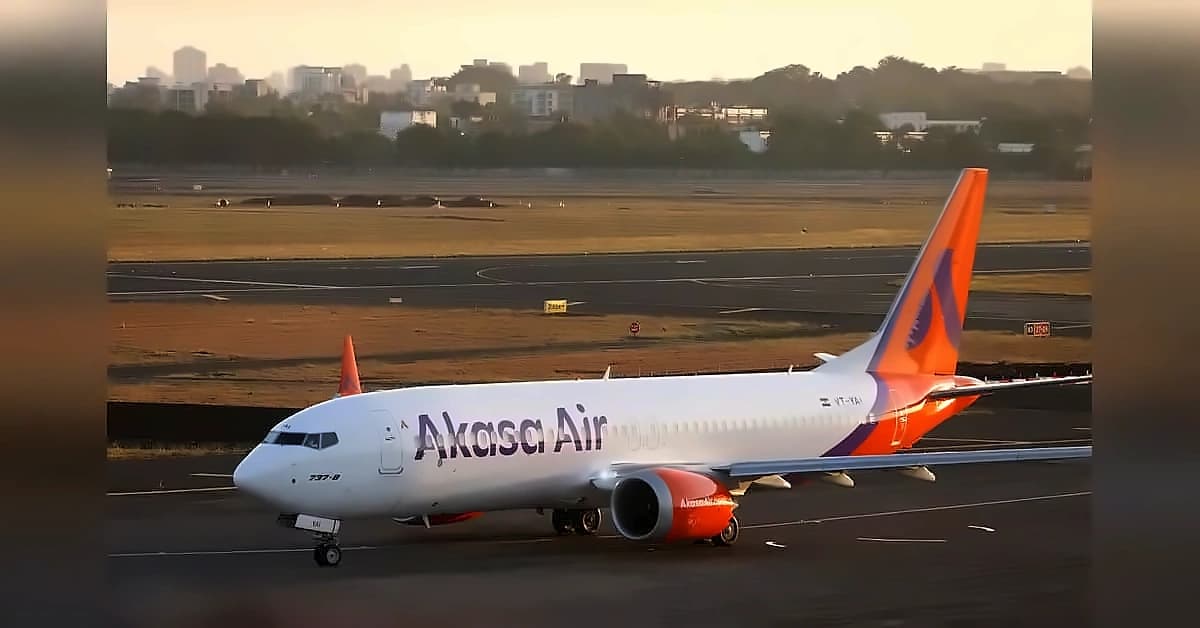
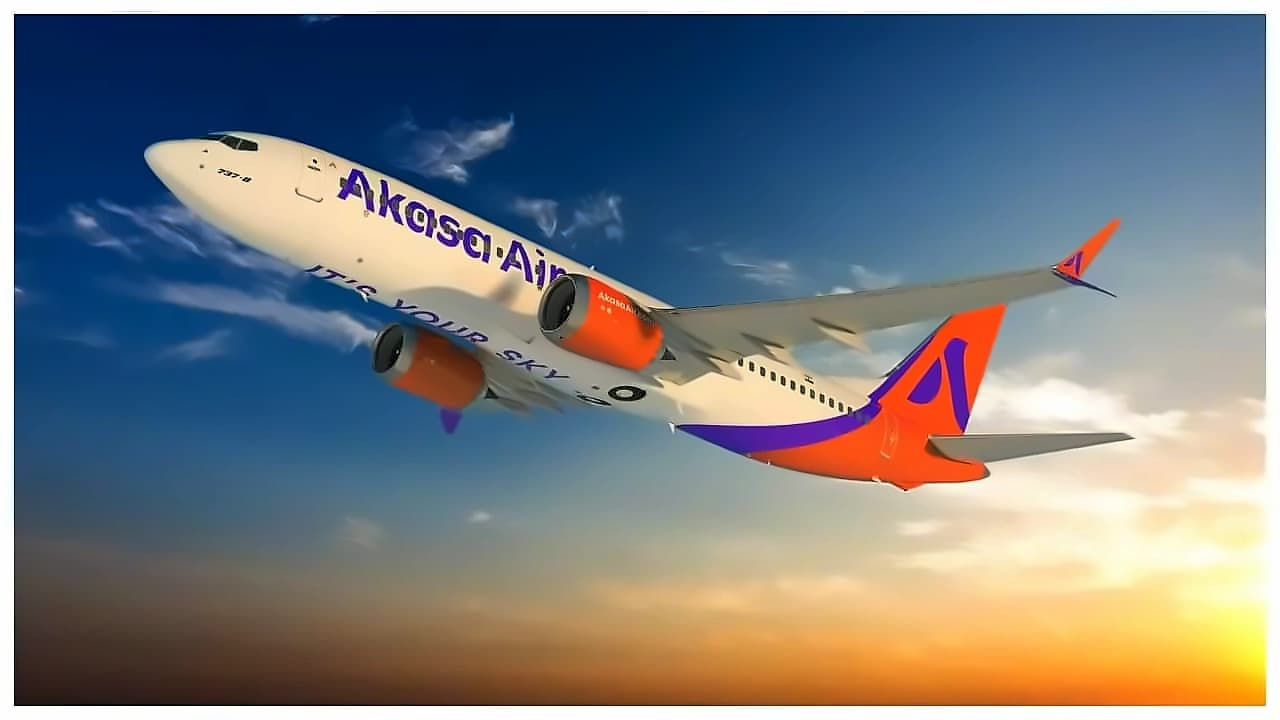
Akasa Air is set to participate in the modified UDAN scheme and is studying routes on a sector-by-sector basis before making final decisions, as confirmed by CEO Vinay Dube in an interview with PTI. The airline will assess routes individually before taking a decision to ensure optimal route selection under the regional air connectivity scheme. The revised UDAN scheme, aimed at improving air connectivity to underserved and unserved destinations at affordable fares, was launched on July 4, 2026. Since its launch in October 2016, the scheme has operationalised 669 routes connecting 95 airports, heliports and water aerodromes. Akasa Air currently operates flights to 28 domestic and 7 international destinations.
The airline is targeting a capacity expansion of 30% in the current financial year and expects annual growth of 30-40% over the next four to five years, according to PTI reports. Akasa Air has taken delivery of nine Boeing 737 MAX aircraft so far this year and is receiving new aircraft at a steady and predictable pace. The airline has placed orders for 226 aircraft, with the remaining 186 expected to join its fleet by the end of 2032. CEO Vinay Dube emphasized that Boeing has been adhering to delivery schedules, stating that if the airline took X deliveries in the last 12 months, it's only going to be X plus plus as aircraft continue to arrive at a predictable pace. The airline does not provide a forecast about the number of aircraft that are to be delivered for a particular time frame.
Akasa Air has reached another significant milestone by inducting the 40th aircraft into its fleet, reinforcing its position as India's fastest-growing airline. The latest addition, a Boeing 737 MAX 8-200 registered as VT-YBQ, arrived at Kempegowda International Airport in Bengaluru on July 3, 2026. The airline stated that this induction marks a major achievement in its growth journey since launching commercial operations in August 2022 and reflects the speed and consistency of its fleet expansion. Akasa Air Founder and CEO Vinay Dube told ANI that there is huge excitement with the 40th aircraft and described it as a big milestone for the airline. The aircraft's delivery flight took a strategic route, commencing from Seattle, USA, transiting through Reykjavik, Iceland, and concluding with its final leg from Cairo, Egypt to Bengaluru.
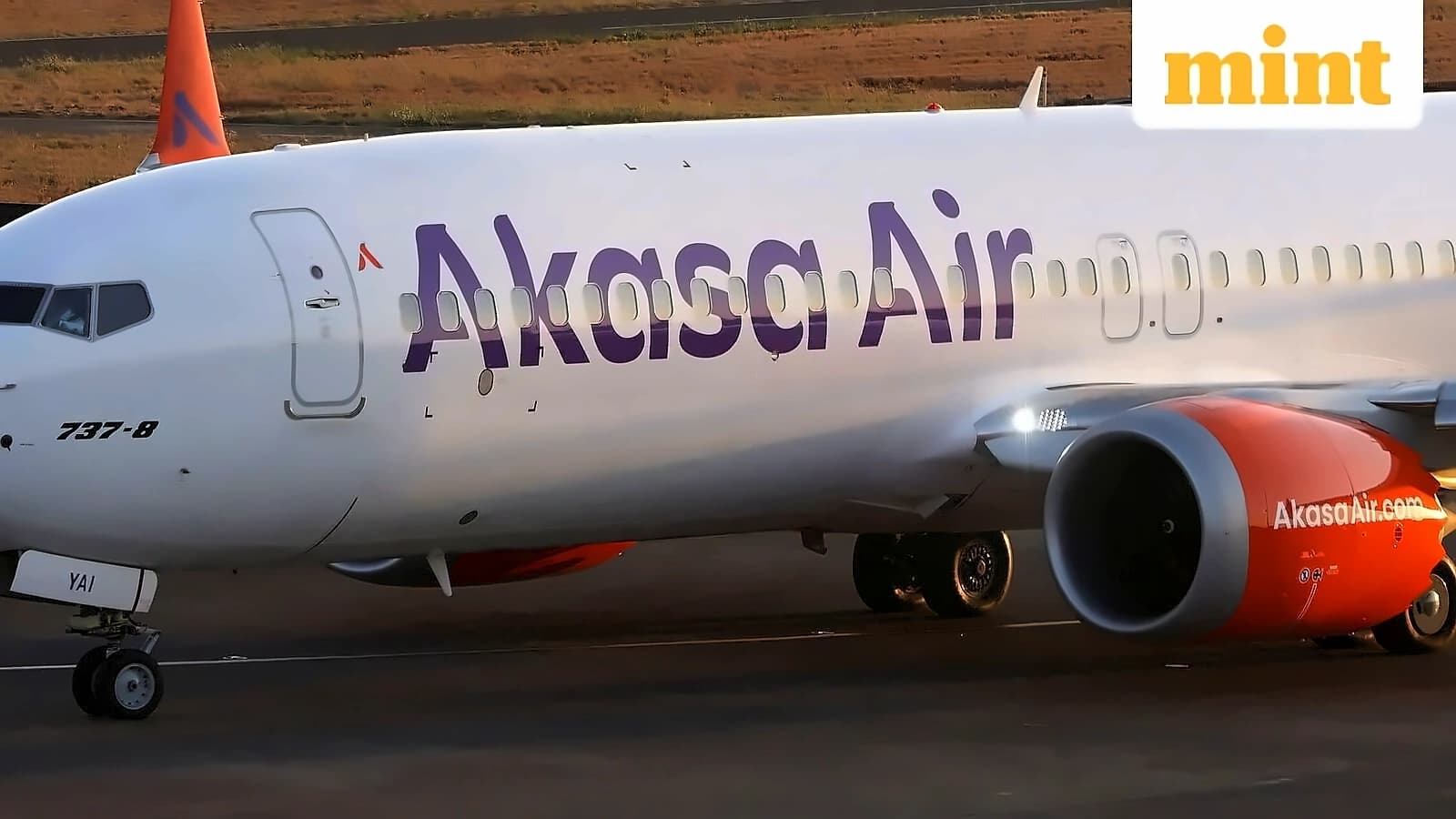
Despite earlier delays in aircraft deliveries, Akasa Air chose to retain its entire employee base intact in 2024, even though the airline had planned for larger deliveries than it received. As reported by PTI, CEO Vinay Dube stated that the airline made this decision to keep the entire employee base despite having an employee base in plans for larger than the actual deliveries received. The airline currently employs more than 5,000 people, including over 850 pilots. The airline turned EBITDA positive during the period from September 2025 to March 2026, though it remains loss-making overall. Dube highlighted the need to adapt to changing industry conditions, stating that the airline has a strategy but must re-evaluate it every year and be willing to overturn worldviews based on industry dynamics. For now, the airline maintains a single aircraft type and single class strategy, with Dube noting that "one cannot be static" about one's strategy.
The Boeing 737 MAX 8-200 is built to Akasa Air's specifications and fitted with Safran Z200 seats, offering an upgraded onboard experience. The seating features a four-inch recline, ergonomically designed backrests and improved cushioning for greater passenger comfort. Each seat is equipped with both USB-C and USB-A charging ports to cater to the connectivity needs of modern travellers, enhancing the overall passenger experience on the airline's routes. The seats are a next-generation seating solution designed to elevate the in-flight experience, with thoughtfully positioned additional conveniences such as USB-C and USB-A ports to support the needs of today's hyper-connected travellers.