The pilot-in-command of Air India's August 4 Phuket-Delhi flight, who tested positive for a psychoactive substance, will not be terminated immediately as the carrier awaits the final investigation report before taking further action. According to sources, the final report is expected within a month of the August 4 incident. The pilot is currently off roster along with the co-pilot, though the latter does not appear to be at fault, as reported by Moneycontrol. Sources indicate that the PIC's case would be assessed differently because the positive test followed an incident in which passengers were injured. "Right now, we do not know if the August 4 incident was a direct result of an action taken by the pilot or not," a source explained. The DGCA's Civil Aviation Requirement (CAR) on testing aviation personnel requires all positive cases to be reported to DGCA headquarters within 24 hours.
Air India has conducted mandatory screening of at least 400 pilots to check for banned substance use, according to reports from NDTV Profit, CNN-News18, and The Times of India. The screening was implemented as part of new standard operating procedures (SOP) following the August 4 Phuket-Delhi flight incident. At least two pilots returned non-negative results in their preliminary drug tests, with their samples now undergoing detailed analysis. A non-negative screening result does not necessarily mean that a banned substance was consumed, as reported by NDTV. The airline's expanded testing programme goes beyond the existing regulatory requirement for random screening of at least 10 per cent of flight crew for psychoactive substances each year. Air India said the decision to screen its entire pilot workforce was intended to strengthen safety standards and reassure passengers and other stakeholders.
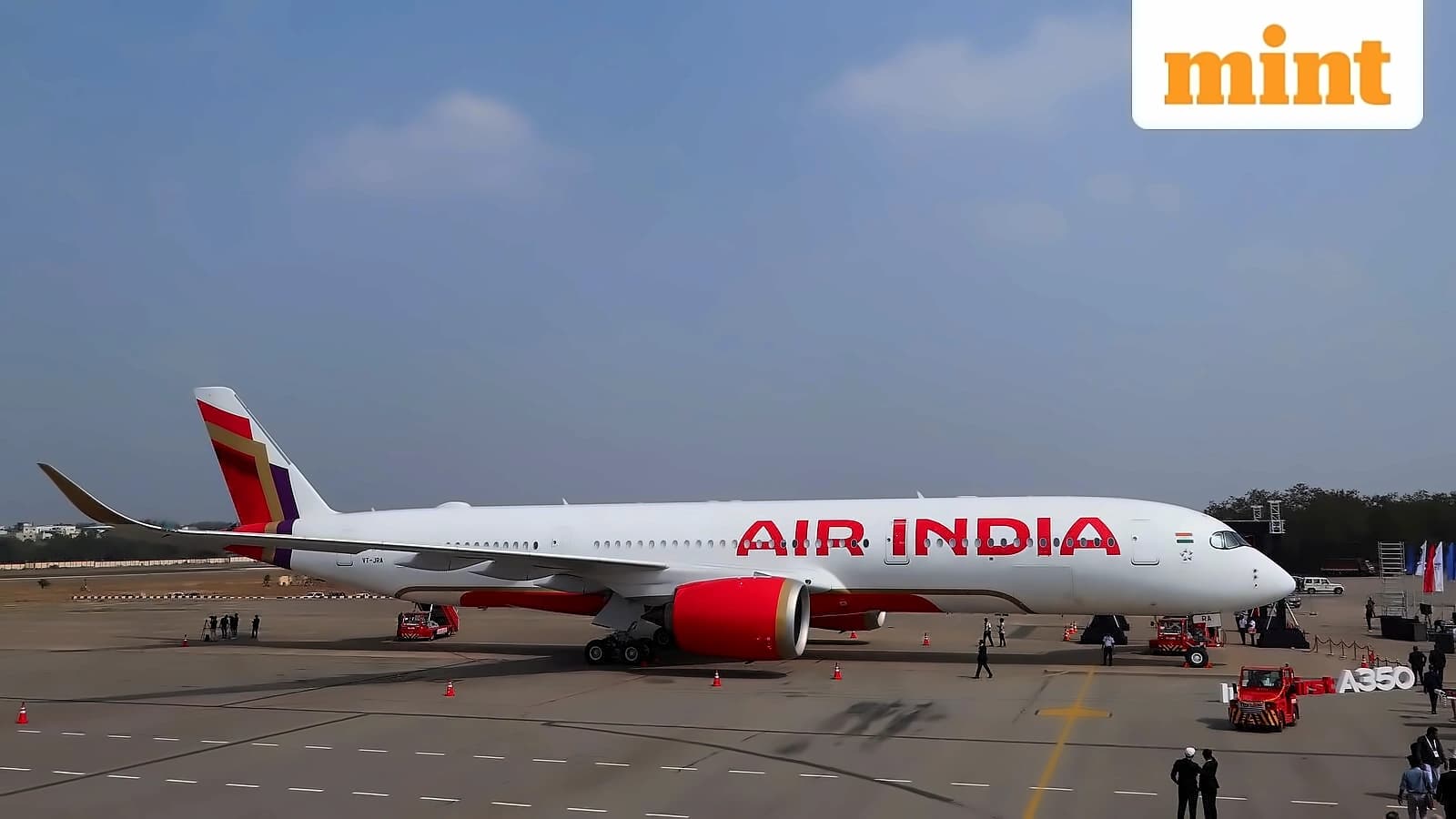
The Phuket-Delhi flight incident involved Air India flight AI2379, an Airbus A320neo aircraft that dropped 300 feet during a temporary loss of key control surfaces. As reported by CNN-News18, the incident occurred 90 minutes after departure over the Indian mainland, around the Odisha coast. The sudden movement was violent enough to throw people around the cabin, with passengers and crew who were not adequately restrained being injured, including people who were reportedly thrown against the ceiling or cabin fittings. The aircraft recovered and continued its journey to Delhi, where it landed safely. According to Airbus' preliminary assessment, the aircraft experienced a temporary loss of hydraulic pressure across all three hydraulic systems. The flight data indicates that the crew responded to the sudden altitude change and attempted to regain control, with the first officer making a nose-down control input that the aircraft did not immediately respond to due to the temporary flight-control problem. The Aircraft Accident Investigation Bureau (AAIB) is now investigating the incident, which has been classified as a serious occurrence. The government and airline had initially attributed the episode to severe turbulence, before aircraft system data provided greater clarity on the technical sequence. The incident caused injuries to 20 passengers and four cabin crew members, with 17 of the 24 having to be hospitalised from the aircraft's total complement of 137 passengers, six cabin crew members, and two pilots.
Air India and Air India Express, which have around 5,000 pilots and operate a fleet of nearly 300 aircraft, began the mandatory screening programme on August 13, 2026, days after the pilot-in-command of flight AI2379 reportedly tested positive for marijuana in both an initial screening and a subsequent confirmatory test. As per The Times of India, the tests are being conducted alongside training at the group's Gurugram academy, Air India offices, flight briefing centres, and other locations designated by the respective bases. Under DGCA rules, a pilot or other aviation employee whose initial screening is non-negative is immediately removed from safety-sensitive duties until a confirmatory report is received. A confirmed first positive case can lead to rehabilitation and de-addiction measures, with the employee required to obtain a negative test and fitness clearance before returning to active duty. The aviation ministry has also directed the DGCA to review the existing drug-testing framework, including increasing the proportion of aviation personnel subject to mandatory testing and considering stricter consequences for confirmed cases involving recreational or prohibited drug use. The DGCA's Civil Aviation Requirement (CAR) on testing aviation personnel for drug consumption was released in September 2021 and took effect on January 31, 2022, requiring urine samples to be tested for six categories of psychoactive substances including cannabis, cocaine, barbiturates, and benzodiazepine.
While DGCA sets the regulatory framework, airlines have their own rules regarding drug testing. Air India has a zero-tolerance policy on prohibited substances, according to Federation of Indian Pilots president CS Randhawa. "When the pilot is tested positive in the first instance, even before the confirmatory tests, the pilot is grounded. Going by the CAR, the pilot has to be sent to a rehab centre till he declared fit from there. He then has to go to air force authorities for a medical clearance, which may take six months to one year," Randhawa explained. "Airlines have their own regulations. Air India has zero tolerance policy on this. If a person has tested positive the second time then the person is terminated." However, DGCA rules provide for rehabilitation and possible return to flying after medical clearance. "A first confirmed positive does not require termination. The rules provide for rehabilitation and a possible return to flying after medical clearance," sources noted. Randhawa emphasized that "the testing system needs to become faster," suggesting that Australia's approach of swab testing before flight should be introduced in India, as urine and hair follicle testing takes 48-72 hours for final test results.