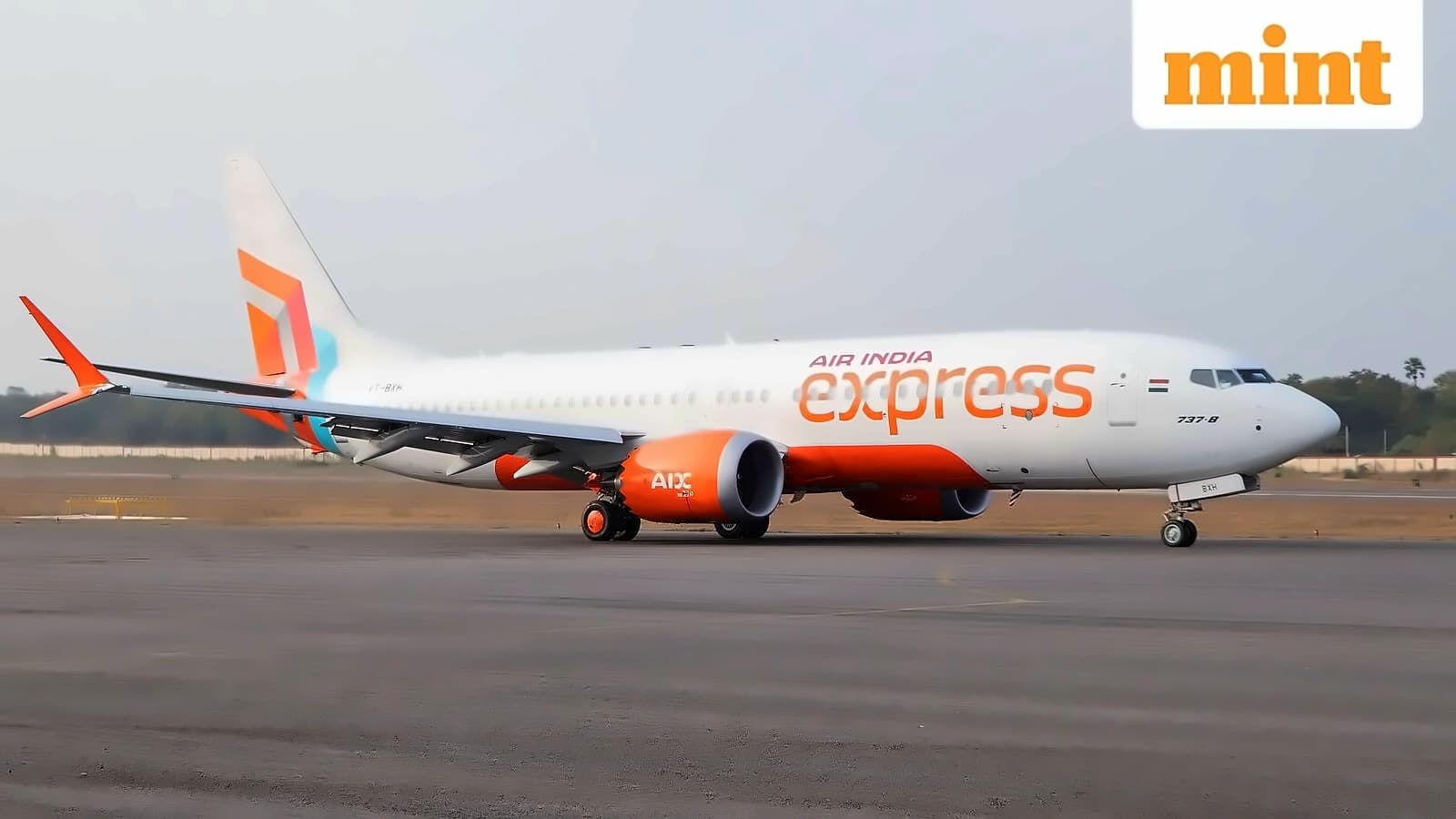
Air India Group is implementing a comprehensive compensation overhaul as part of its pilot career progression revamp, with fixed salary increases of 8-15% for all pilots, according to sources familiar with the development. The revised framework includes commanders receiving the highest percentage increase in both fixed pay and hourly flying allowance rates, while senior commanders will also receive a ₹21 lakh Boeing 737 fleet allowance. Additionally, eligible Senior First Officers (SFOs) will be provided a ₹10 lakh B737 retention allowance, with the airline continuing to guarantee pay equivalent to 40 flying hours each month while enhancing flying allowance rates. The compensation structure aligns with industry benchmarks and rewards productivity, with compensation during training reworked to payouts linked to fleet-average flying hours to provide more predictable earnings for pilots undergoing training.
Air India pilots eligible and willing to become commanders on narrow- and wide-body aircraft will be required to move to Air India Express under the new framework based on a common seniority pool, according to sources as reported by news agency PTI. Under the revised structure, senior first officers moving to Air India Express to fly narrow-body Boeing 737 aircraft will receive a ₹10 lakh retention allowance, while existing Air India Express commanders of these aircraft will be paid ₹21 lakh over three years. The move effectively means that Air India senior first officers aspiring to become commanders will have to move to Air India Express where they will undergo training and then become commanders, with later upgrades to widebody operations at Air India when opportunities arise. Once they become commanders, the pilots will have to serve at the operating base selected by Air India Express for at least two years, with this period extendable by up to six months. The decision to encourage senior first officers to join Air India Express is aimed at increasing the pool of commanders for Boeing 737 aircraft, with a significant number of such planes expected to join the fleet.
Air India has more than 3,500 pilots, while Air India Express has over 2,000 pilots, and together they operate a fleet of around 300 aircraft. Since 2022, the Group has expanded from about 100 aircraft to nearly 300 and has placed firm orders for 600 aircraft, including 80 wide-body jets. The revised framework comes as Air India Group continues its aggressive expansion, with the airline also investing in pilot training infrastructure, including a new aviation academy in Gurugram equipped with Airbus and Boeing full-flight simulators and a flying training school in Amravati, Maharashtra. The move comes as the Air India Group is expected to receive more narrow-body aircraft in the near term, while its wide-body fleet is also set to increase in the coming years, with the changes aimed at building a structured command pipeline and strengthening pilot retention as Air India embarks on one of the world's largest fleet induction programmes.
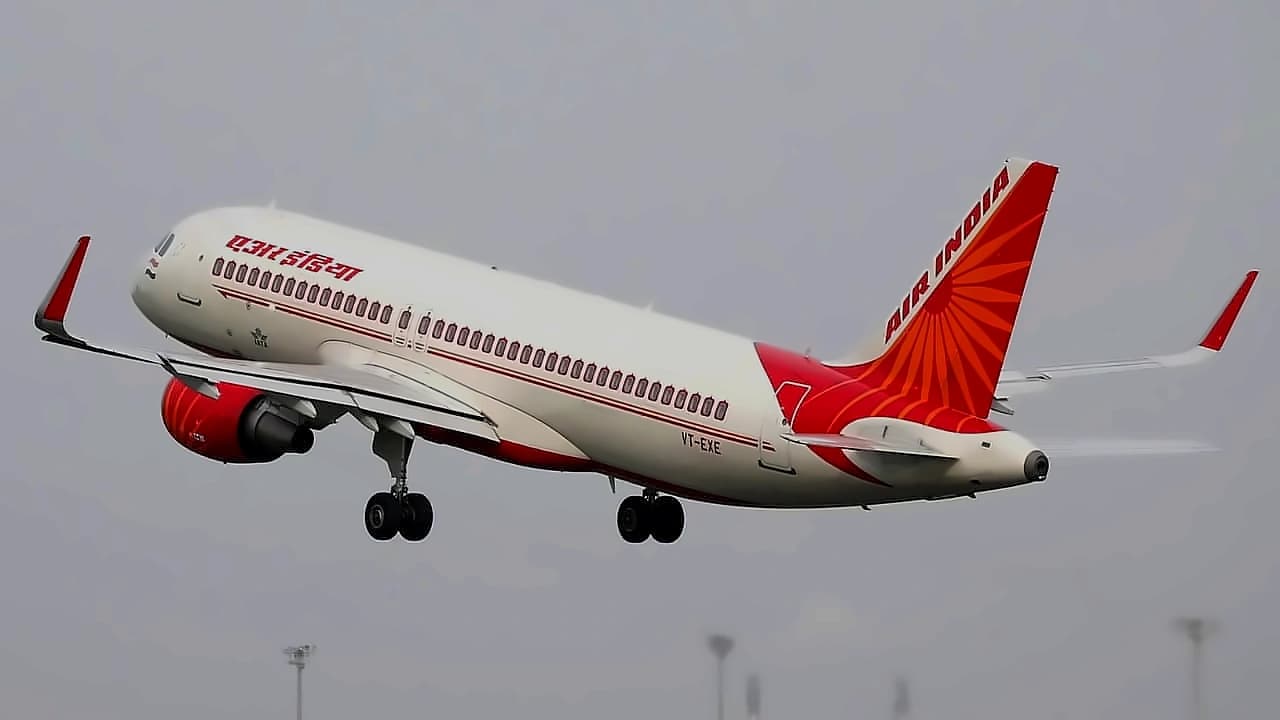
The revised framework introduces a more structured base-allocation policy, with pilots undergoing command upgrades at Air India Express may be posted to any operational base for two years, extendable by six months if required. They will thereafter be transferred to their preferred eligible base at Air India Express. Commanders who have already spent more than two-and-a-half years at an involuntary company-assigned base will also be moved to their preferred base at the earliest opportunity. The airline has also enhanced relocation benefits covering temporary accommodation, movement of household goods, incidental expenses and relocation leave. Additionally, the revised employment terms reduce annual privilege leave for pilots from 30 days to 24 days, with the changes aimed at building a structured command pipeline and strengthening pilot retention as Air India embarks on one of the world's largest fleet induction programmes.

After completing the initial training period, a Commercial Pilot Licence (CPL) holder has to clear certain papers over two to three years before becoming a first officer. On average, a first officer becomes a senior first officer after 7-8 years and subsequently moves into a commander role. A commander, after serving in that role for at least 4-5 years, is promoted to senior commander. The common seniority pool for pilots from Air India and Air India Express will be maintained under the new framework, with Air India Express becoming the primary pathway for pilots seeking command upgrades. While Air India is pushing the framework as part of providing new career pathways and long-term growth opportunities for senior pilots, the sources also said a section of pilots have some reservations about the present plan. Despite the framework being presented as providing new career pathways and long-term growth opportunities for senior pilots, the revised structure aims to strengthen pilot retention as the Air India Group prepares for significant fleet expansion and one of the world's largest aircraft induction programmes.