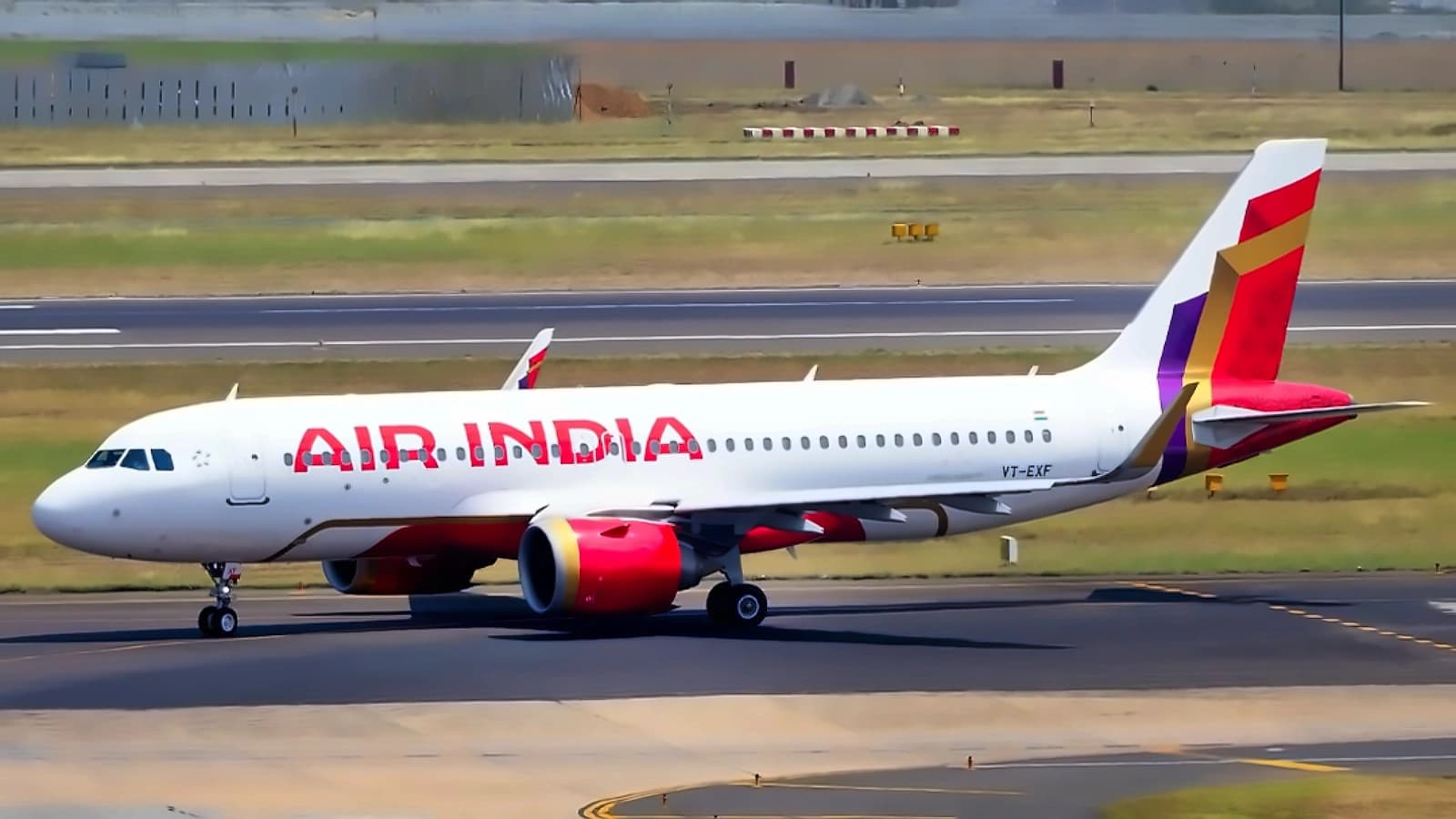
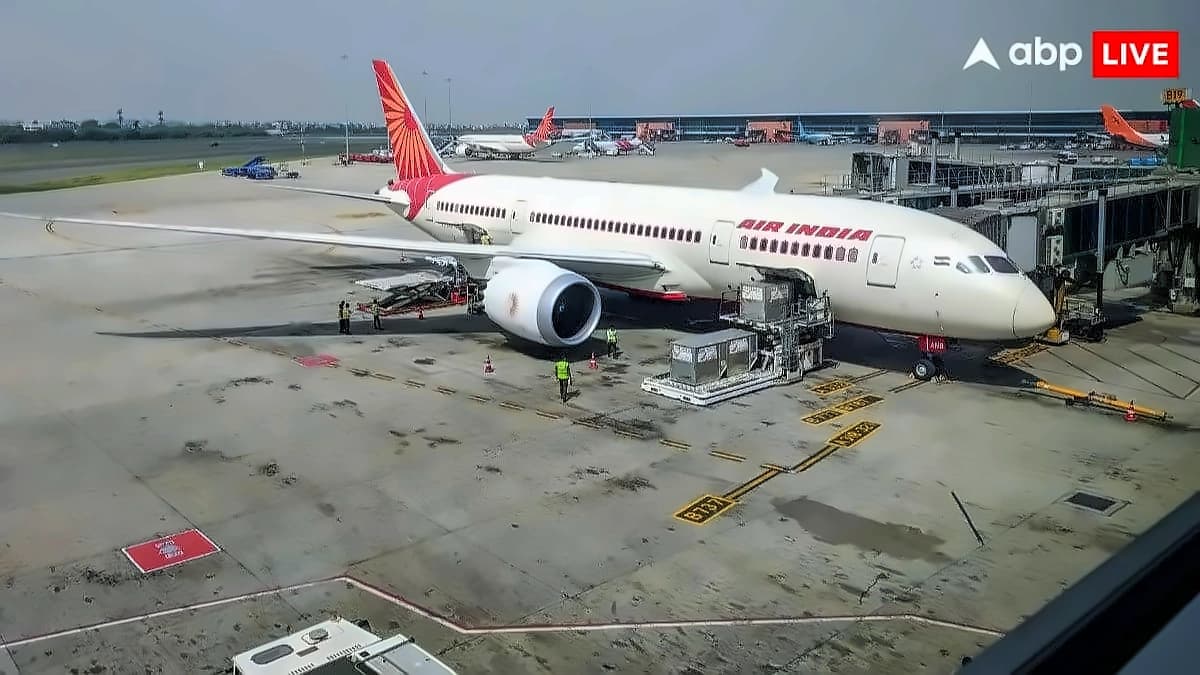
Air India Ltd. is implementing a significant strategic shift following instructions from majority owner Tata Group to focus on reducing mounting losses. The airline's difficulties have been compounded by leadership instability, with CEO Campbell Wilson resigning after a turbulent year characterized by heightened regulatory scrutiny, geopolitical tensions, and a staggering loss exceeding $3 billion in 2025. This represents an abrupt pivot from the ambitious expansion plans that characterized the airline's recent strategy, with the carrier now facing a pivotal moment as it confronts both the operational repercussions of the AI 171 crash and broader financial instability. As reported by The Times of India, the change in strategy reflects the loss of confidence in an airline that suffered a fatal crash a year ago and has since incurred an annual loss equivalent to about $3 billion (about ₹28,500 crore).
The downsizing strategy involves comprehensive discussions with aircraft manufacturers regarding delivery schedules and operational adjustments. As reported by The Times of India, Air India is in discussions with both Airbus SE and Boeing Co. to slow down deliveries of as many as 500 planes previously ordered. This approach would enable the airline to push back large payments due to plane makers upon delivery, providing financial relief during the restructuring period. The carrier previously ordered a combined 600 aircraft from both manufacturers during 2023 and 2024, with the bulk of deliveries expected in 2027 and 2028. Beyond aircraft deliveries, Air India is reevaluating plans to fly to new domestic and international destinations, pruning some routes and postponing launches at airports such as the new Noida International Airport near New Delhi. Airlines typically spread out payments for jets over several years, with the biggest cash outlay — which can be about 80% of the purchase price — coming when they are handed over.
Beyond financial pressures, Air India faces significant operational challenges that have persisted since the AI 171 crash nearly a year ago, which resulted in the deaths of 241 passengers and crew along with 19 individuals on the ground. The investigation into the disaster has been mired in controversy, with concerns raised about its impartiality and the presence of conflicting interests. Preliminary findings have already exposed significant operational lapses and safety violations, with disagreements over the root cause of the crash persisting and complicating Air India's efforts to restore confidence. The airline's capacity has been reduced by approximately 22 percent, and customer satisfaction metrics reveal a persistently inconsistent product despite the transition from Public Sector Undertaking to Tata Group ownership.
The strategic shift comes as Air India faces significant financial pressures that have accumulated over recent years. As reported by The Times of India, the airline has accumulated more than ₹55,000 crore ($5.8 billion) in losses since 2022, with the red ink becoming a key concern for the board of Tata Trusts. Despite transitioning from a Public Sector Undertaking to Tata Group ownership four years ago, the airline has yet to realize the anticipated turnaround. The carrier's inability to achieve profitability—even within a duopoly market where it holds significant advantages—points to deeper systemic issues involving corporate culture, cash flow management, and credibility. The weak Indian rupee has also added to financial woes since much of the airline's costs are denominated in dollars, while the deadly crash last June, Pakistan closing its airspace to Indian carriers, and the war in Iran have disrupted flights, forced costly rerouting and driven up fuel expenses.
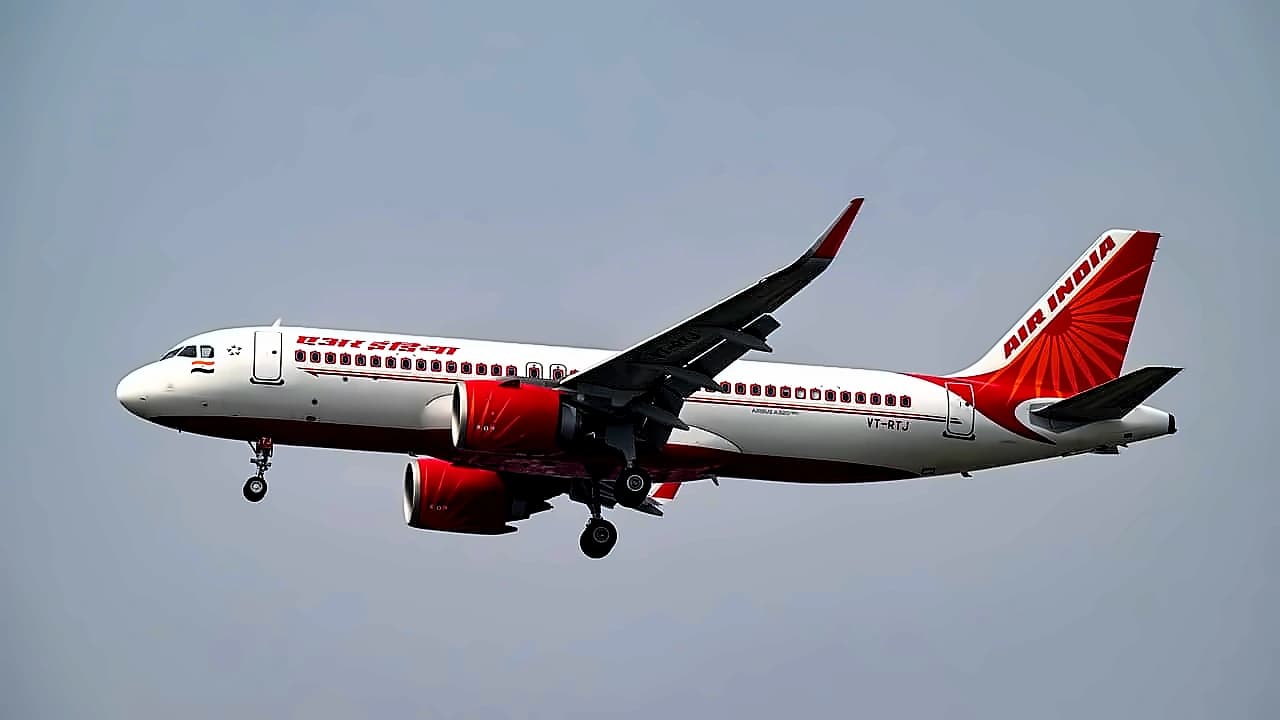
The Tata Group took over the national carrier in 2022, with Singapore Airlines Ltd. acquiring a 25.1% stake in Air India in 2024. An Air India spokesperson told The Times of India that the carrier remains committed to modernizing its fleet and carrying out its long-term transformation plan, despite the current challenges. The flag carrier operates both its namesake full-service airline and low-cost arm Air India Express, continuing to serve passengers while implementing the new cost-cutting measures. As part of its transformation agenda, Air India has outlined ambitious targets for fleet expansion, market share growth, brand development, and innovation by March 2027, though the immediate imperative remains the restoration of customer trust and operational integrity. The Tata Group now wants Air India to temper its growth strategy to focus on stabilizing current operations and implementing cost-cutting measures, with the flag carrier having lost money for more than a decade even though revenue and operations have grown on the back of the country's strong economic expansion and surging travel demand.