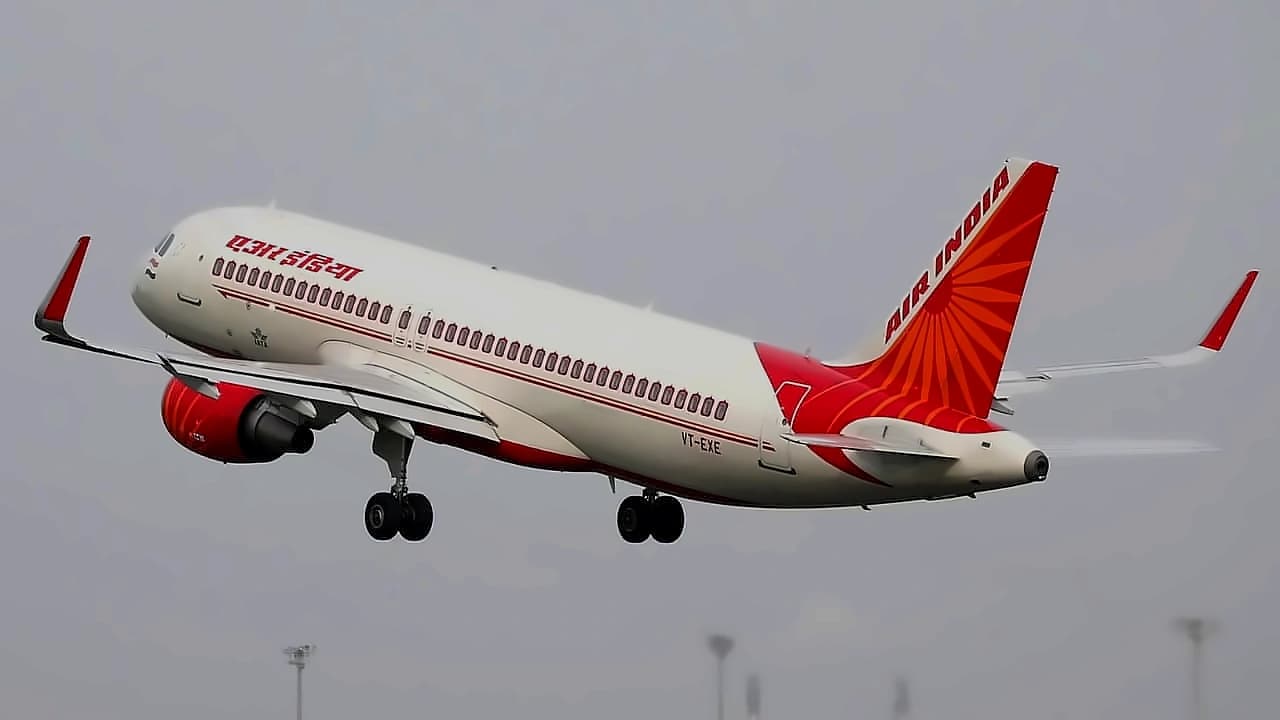
Air India Express has proposed a revised compensation package that includes increased monthly earnings across pilot ranks, a Boeing 737 fleet allowance of up to ₹21 lakh for Senior Commanders and Commanders, and ₹10 lakh for Senior First Officers, to be paid in three equal instalments over three years from October 2026. According to industry sources, the proposal also encompasses revised productivity pay rates, a narrow-body allowance of ₹25,000 for P1 and ₹10,000 for P2 categories as part of fixed pay, and changes to base posting rules. The airline has proposed a new leave framework effective from April 1, 2027, with 24 Privilege Leave, 12 Sick Leave and six Casual Leave days.
Despite the higher earnings, pilots have expressed significant concerns over the package structure, stating that it guarantees only 40 hours of block pay while the remaining earnings depend on monthly aircraft utilisation. As reported by industry sources, pilots argue this arrangement shifts rostering and fleet deployment risks, which are controlled by the company, onto flight crew. They have pointed out that the pre-COVID model of 70-hour fixed pay provided greater income stability and contend that a temporary reduction during the pandemic should not become the permanent structure. Pilots have also raised concerns that taking Privilege Leave could lead to a reduction in variable pay due to fewer flying hours, effectively turning approved paid leave into a salary cut.
Pilots have highlighted that they continue to undertake positioning duties, waiting time, night and WOCL operations, lounge stays, critical airfield operations and tail swaps, while payable flying hours remain limited. According to sources, pilot representatives have flagged a reduction in Privilege Leave by six days and sought clarity on night and WOCL duties, lounge stays, critical airfield operations, tail swaps, treatment of Sick Leave and Privilege Leave, along with taxation and repayment conditions related to any retention bonus. The revised offer letters were scheduled to be issued by August 14, with pilots required to accept the terms by August 28.

Pilots maintain that higher headline figures alone do not address their concerns over income security, leave value and the overall employment structure. As reported by industry sources, pilot representatives have emphasized that the current proposal fails to provide adequate income predictability and operational risk sharing mechanisms. The pilots' concerns center on the fundamental shift in compensation structure that transfers operational risks from the airline to flight crew, potentially undermining the stability and predictability that pilots require for long-term career planning and financial security. While the airline's proposal increases headline compensation, pilots say the broader issue remains predictable income, fair leave treatment and a clearer allocation of operational risks.