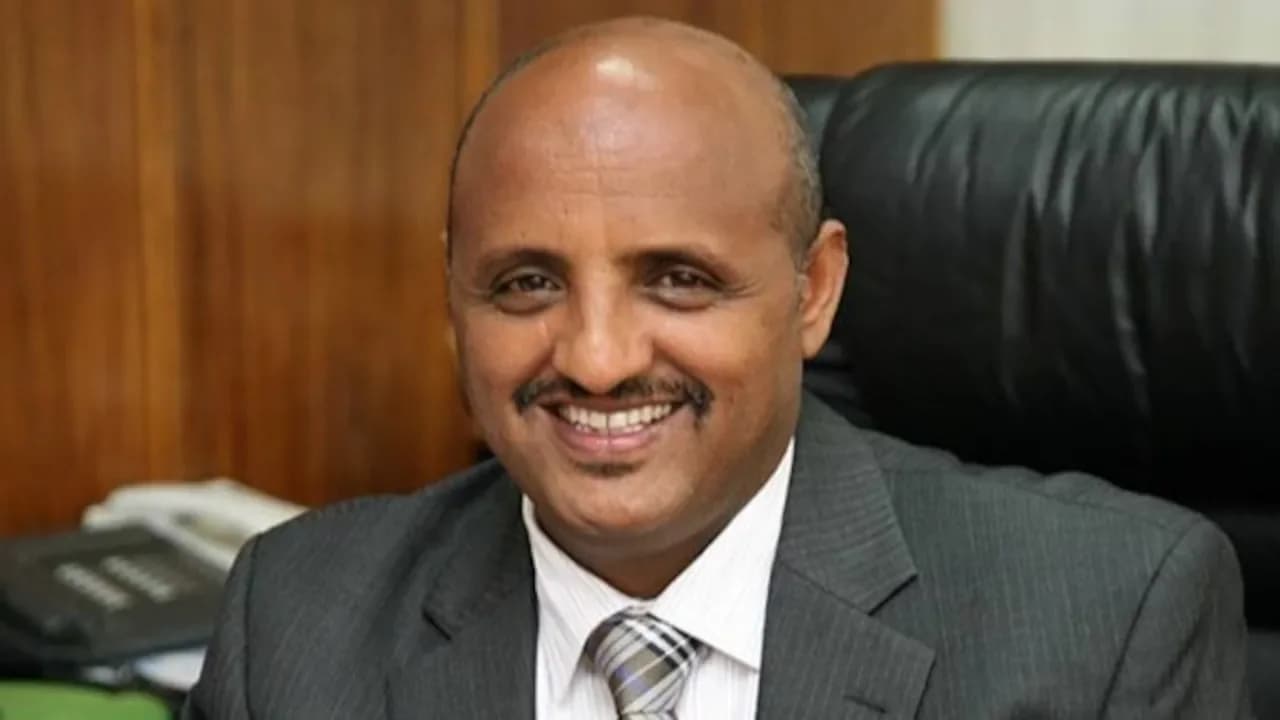
Air India's new CEO Tewolde Gebremariam has established a multidisciplinary, cross-functional cost savings team on full-time basis to identify cost-saving opportunities across the organisation, as reported by Mint. The committee was announced on October 12, 2025 via the company's internal digital noticeboard, Workplace, with the CEO writing to employees that "effective 1 October, all approvals will now be routed through the HOD, CXO and CEO, ensuring greater rigour, transparency and alignment in decision-making across the organization." This initiative comes as part of Gebremariam's broader strategy to make cost discipline a fundamental part of Air India's culture, as he formally assumed charge as CEO and MD on October 1, 2025. In his first town hall with employees on September 28, 2025, Gebremariam emphasized that "cost savings cannot be driven by a single team or function alone; it requires the active participation and commitment of every employee."
Air India has launched 'PRABHAV – The Value Creator Award' to encourage employee participation in cost reduction efforts. As reported by Mint, employees whose cost-saving ideas are implemented will be rewarded, with the initiative covering measures such as improving resource utilisation, streamlining processes, renegotiating contracts, bringing outsourced activities in-house and improving procurement of goods and services. The team will "systematically review all expenditure and identify cost-saving opportunities across functions," according to Gebremariam's Workplace message. The CEO stated that "cost reduction would require participation across the organisation and could not be driven by a single team," with employees asked to adopt a culture of "frugality, accountability, and thoughtful decision-making" in everything they do. The new employee reward scheme will recognize ideas to reduce costs or improve revenue, including contract renegotiations, better resource utilisation, procurement improvements and waste reduction.
Air India's cost-cutting committee is now examining options that include rationalising certain teams across Air India and its subsidiary, Air India Express, according to sources cited by PTI. The committee is also considering relocating office space occupied by Air India Express to bring down lease expenses, as reported by PTI. These measures represent a significant expansion of the cost-saving initiatives beyond the initial focus on operational efficiency. The airline's board of directors is scheduled to meet on Thursday, where these cost-cutting measures are expected to be discussed, with the committee's review signaling a renewed focus on controlling expenses as losses more than doubled year-on-year. As per The Times of India, the airline is facing "elevated oil prices since the West Asia crisis along with other geopolitical challenges," with Indian carriers particularly affected by "the rupee crashing and Pakistan airspace closure only for them."
Air India's consolidated loss widened to ₹22,238.23 crore in FY26 from ₹10,858.83 crore in the previous year, while total income declined to ₹71,869.94 crore from ₹78,635.61 crore during the same period, according to regulatory filings. On a standalone basis, Air India recorded a net loss of ₹15,368 crore on revenue of ₹51,452 crore, while AIX posted a net loss of ₹6,767 crore on revenue of ₹19,088 crore. Group revenue was ₹71,870 crore, including contributions from subsidiaries such as catering, ground handling, and its GIFT City entity. The airline has not recorded a profit since returning to private ownership in 2022, with the consolidated figures including Air India Express. Forex losses compounded the pressure, with Air India reporting a forex loss of ₹5,033 crore in FY26, compared with ₹1,299 crore a year earlier, while Air India Express incurred a forex loss of about ₹2,370 crore. Tata Sons has invested ₹45,347 crore in Air India since taking ownership in January 2022, with its board having approved in principle a further capital infusion of more than ₹10,000 crore, subject to business cases for the funding. As per The Times of India, since the Tata Group acquired Air India along with AI Express in January 2022, the airline has lost about $5.7 billion due to a combination of both internal and external factors.
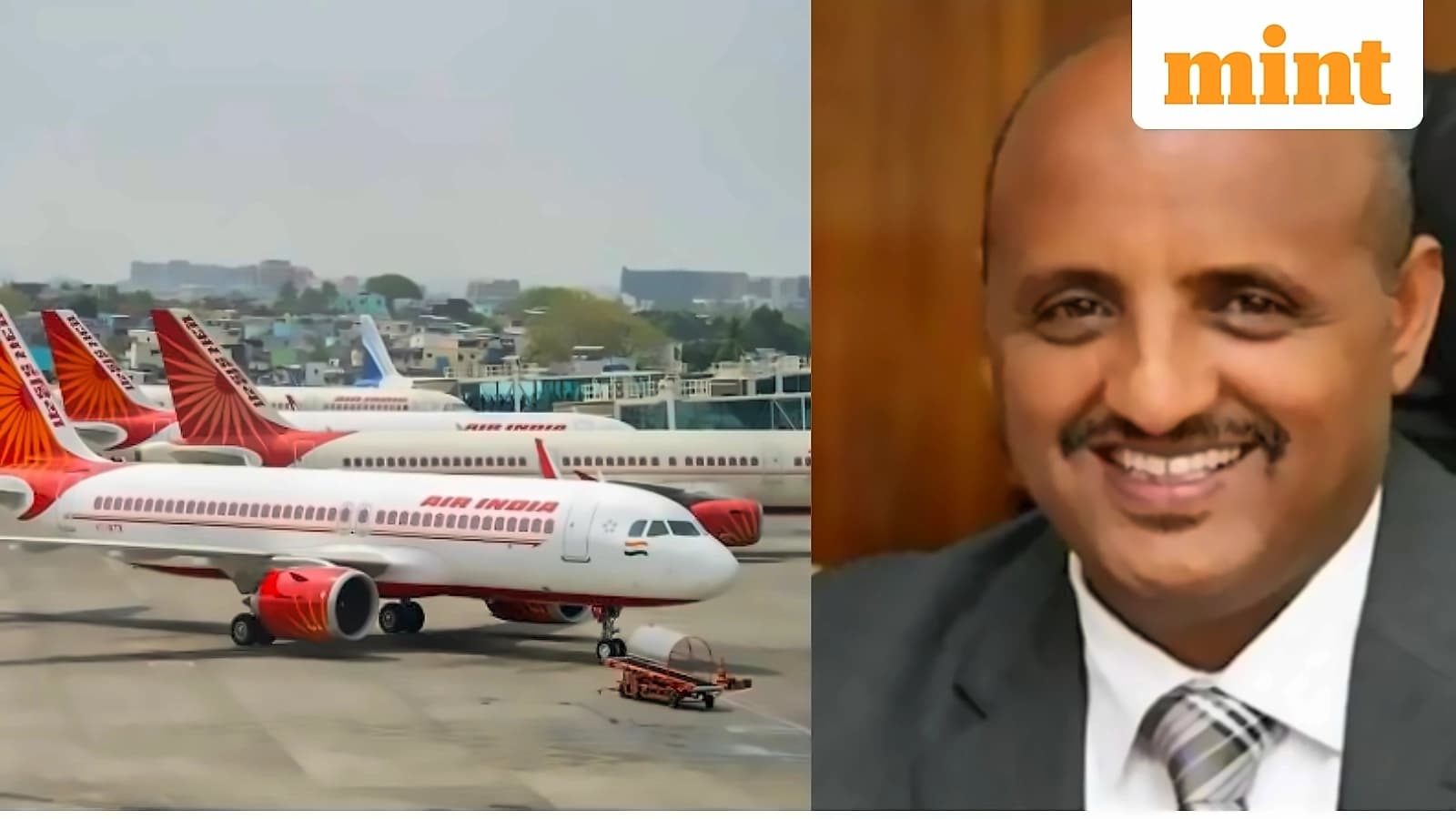
Air India has been grappling with multiple operational challenges, including the fatal AI171 accident in June last year that killed 260 people, as well as geopolitical disruptions, airspace closures, fuel price volatility and various operational issues. CEO Tewolde Gebremariam has identified sustainable profitability, safety and operational reliability as key priorities for the airline. The airline is facing regulatory scrutiny over safety and compliance issues following the June 2025 crash, with airspace restrictions and conflict-related disruptions forcing longer routes, cancellations and cuts to international services. The closure of Pakistani airspace since April 2025 has forced Air India to take longer routes on several westbound services, increasing fuel consumption, flying time and crew costs, with Wilson having estimated the impact at around ₹4,000 crore over a year. The West Asia conflict has added to operational disruption, while supply-chain shortages have delayed parts of the fleet-modernisation programme. Higher fuel costs have added pressure, with Delhi aviation turbine fuel prices rising about 13% in October to around ₹137 per litre, following consecutive monthly increases. These operational disruptions, combined with persistently high jet fuel costs and the impact of the conflict in West Asia, have put pressure on airlines across the industry.