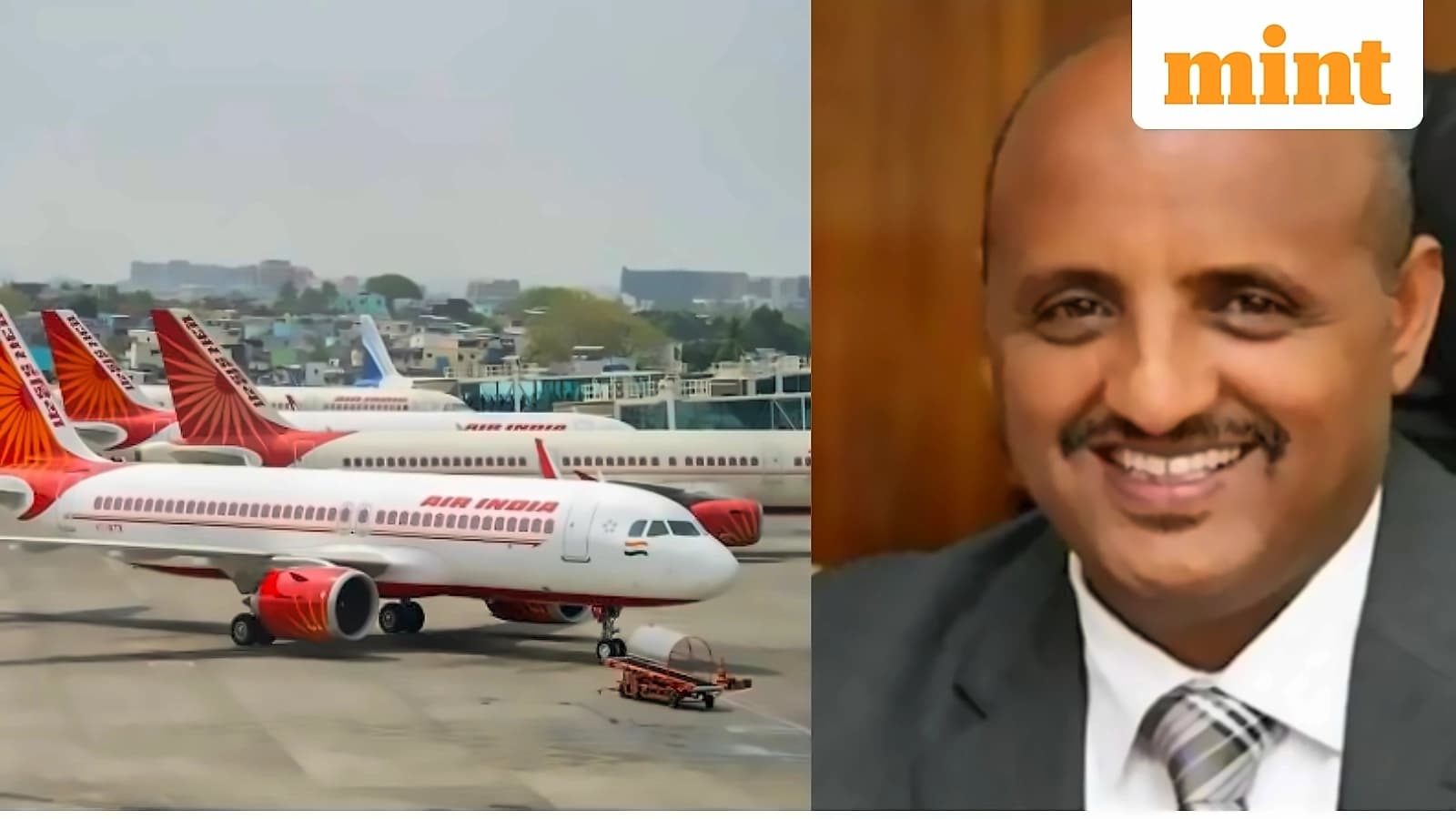
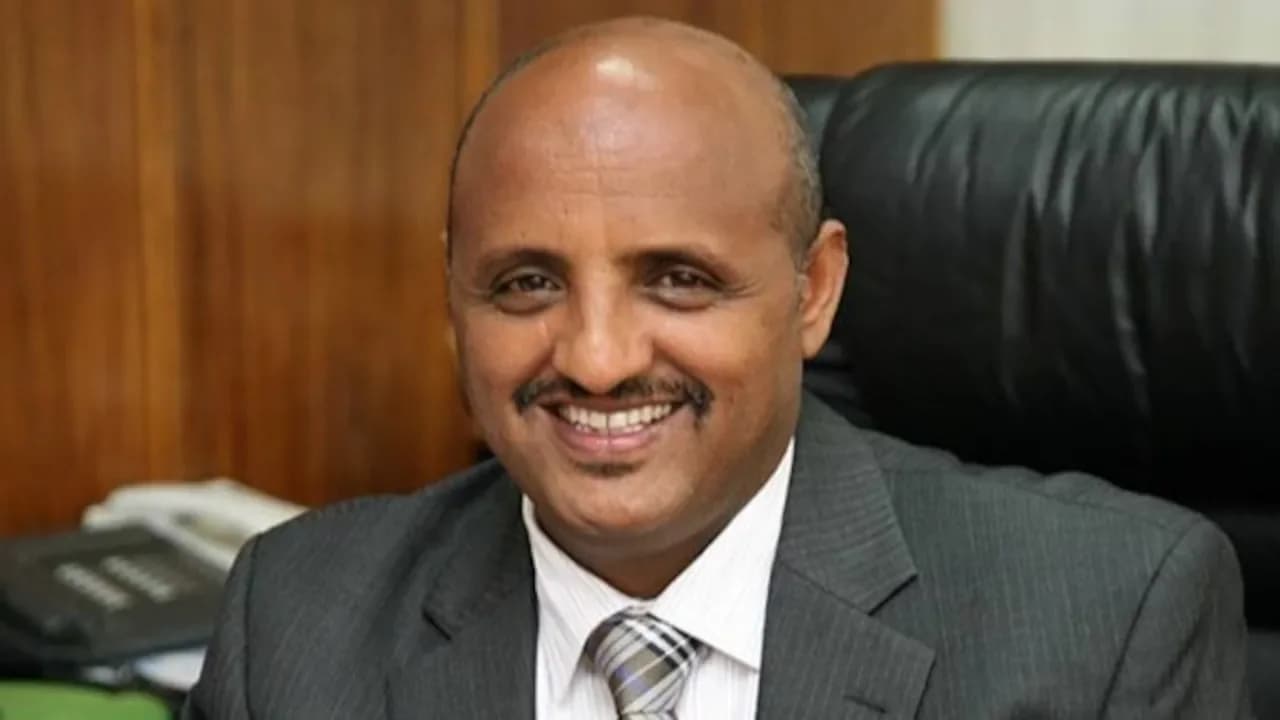
Air India's designated CEO and Managing Director Tewolde Gebremariam has officially secured the required security clearance and formally assumed leadership of the airline today, as confirmed by NDTV Profit on Friday, September 30. Gebremariam, an Ethiopian national, was appointed CEO and MD on August 5, succeeding Campbell Wilson as Air India shifts its focus from stabilisation and integration towards operational execution and sustainable profitability. According to NDTV Profit, the government has granted security clearance for Gebremariam to formally take charge, marking the completion of his transition process. Gebremariam addressed employees during a company townhall on September 28, emphasizing a 'back to basics' approach focusing on operational excellence and fundamental improvements. As reported by The Times of India, Gebremariam outlined 'safety, reliability, profitability and pursuing disciplined and sustainable growth' as key priorities, stating that Air India has made significant progress since returning to the Tata Group but continues to operate in a challenging environment marked by geopolitical developments, airspace restrictions, elevated fuel prices and uncertainty across key international markets.
Safety, reliability, and operational excellence have become the foremost priorities as Air India enters its next transformation phase. According to NDTV Profit, 'Reliability is key' was among the significant themes discussed by Gebremariam, with the airline aiming to improve consistency across areas that directly affect passengers and day-to-day operations. Gebremariam emphasized that safety would remain Air India's topmost priority and the guiding principle for its operations, calling for a stronger safety-reporting culture, stating 'If you see something, say something. The stronger our reporting culture, the stronger our safety culture'. During recent months, Air India has faced several safety-related incidents, including flight AI2379 from Phuket to Delhi suffering a sudden altitude upset after all three hydraulic systems briefly failed on August 4, injuring 24 people, and another pilot removed from Zurich-Delhi flight AI151 after failing a breathalyser test for alcohol on September 6. Gebremariam pointed out the importance of proactive reporting and continuous improvement, telling employees they should speak up when they identify concerns and be empowered to make decisions that help customers. He also called for greater support and empowerment for frontline employees to take quicker decisions to resolve customer issues, stating 'Wherever you are in the organisation, you will be empowered to make decisions that help our customers and supported in delivering the right outcomes'. The airline's safety practices and alleged lack of discipline among crew have been under scrutiny since last June's Ahmedabad crash, with the external environment also challenging - including airspace closures (particularly Pakistan), rising crude prices, rupee's weakness and global uncertainty.
Air India's financial position presents significant challenges as the airline recorded a consolidated net loss of ₹22,238 crore in FY26, more than double the ₹10,859 crore loss in FY25 and substantially higher than the ₹6,677 crore loss in FY24. According to The Times of India, revenue enhancement opportunities were being examined across the international network, commercial activities and cargo business, while cost discipline would have to become part of the airline's organisational culture. The airline's passenger footfall shrank 18% and booking demand slipped more than 15%, while foreign exchange swings inflicted heavy collateral damage with currency-related losses surging to ₹5,033 crore from ₹1,299 crore. Air India Express, meanwhile, generated ₹19,088 crore revenue but recorded a net loss of ₹6,767 crore, losing approximately 35 paise for every ₹1 of revenue compared to Air India's 30 paise loss ratio. As reported by Moneycontrol, Gebremariam acknowledged that external factors have affected the airline's path to breakeven but stressed the need to improve both revenue and cost performance, with revenue enhancement initiatives already under discussion across international network, commercial activities and cargo business.
Cost discipline must become part of Air India's culture as the airline works towards sustainable profitability, according to Gebremariam's latest townhall address. As reported by ET Now, addressing employees during the September 28 townhall, Gebremariam said that instilling cost discipline must be central to Air India's organizational culture, highlighting sustainable profitability, safety, and operational reliability as his key priorities. The incoming CEO announced plans to introduce incentive programs aimed at rewarding staff members who propose ideas that generate measurable cost savings and improve operational efficiency. According to The Times of India, Gebremariam emphasized that 'Cost management is not just the responsibility of leadership or the finance function. Every employee can contribute to savings, and those savings add up across an organisation of our scale'. The airline is planning to reward ideas that generate measurable cost savings and operational efficiencies, with revenue productivity improvement becoming a critical focus, specifically referring to improving revenue per available seat kilometre (RASK) - the amount of money the airline makes for every seat flown over a kilometre. As reported by AeroIntellect Aviation, improving revenue productivity becomes particularly important as passenger traffic fell faster than capacity, requiring Air India to extract more value from existing seats rather than relying solely on adding new flights or increasing routes.
Gebremariam has begun exploring 'better integration of operations' between Air India and Air India Express, though no formal merger proposals have been made. According to The Times of India, he has cautiously floated queries around operational integration while closely reviewing the dual-AOC history and rationale. The airline is evaluating ways to improve network efficiency and optimise fleet deployment, with Gebremariam telling employees 'We are already one Air India Group' and adding that the company would streamline and create synergies wherever possible while retaining its focus on customers. Air India has already begun handing off smaller-city routes to its budget sibling, stepping aside on six connections between August and September alone, while AIX now connects 52 Indian cities compared to Air India's 39, running 474 domestic and international flights daily against Air India's roughly 625. Gebremariam highlighted the importance of disciplined expansion, stating 'Growth is the oxygen of business. But growth must also be profitable and sustainable. We will pursue expansion in a disciplined manner and ensure our people, fleet and network are ready to support it'. He concluded by emphasizing that 'Air India has an extraordinary opportunity before it. If we remain focused on safety, reliability, financial discipline, teamwork and customer service, there is no reason why we cannot build one of the world's leading airlines'.
The Tata Group's commitment to aviation remains substantial with ₹45,347 crore invested in Air India since January 2022, according to corporate filings. As reported by Mint, Air India is seeking approximately $1.5 billion in fresh equity from Tata Sons and Singapore Airlines, with ongoing discussions. The group plans to take delivery of more than 100 aircraft over the next two years, with a significant portion headed to Air India Express, while also investing in pilot training infrastructure to handle the influx. This represents a 'scale before repair' approach that has strained both carriers' finances, with the parent carrier having to inject ₹2,000 crore through a rights issue into AIX last year. According to Moneycontrol, Gebremariam emphasized that 'Growth is the oxygen of business. But growth must also be profitable and sustainable', while the airline will continue to evaluate opportunities to improve network efficiency, optimise fleet deployment and rebalance operations. The airline will assess whether its network and operations need to be rebalanced to improve long-term competitiveness as it manages an expanded fleet and network following the integration of its airline businesses.