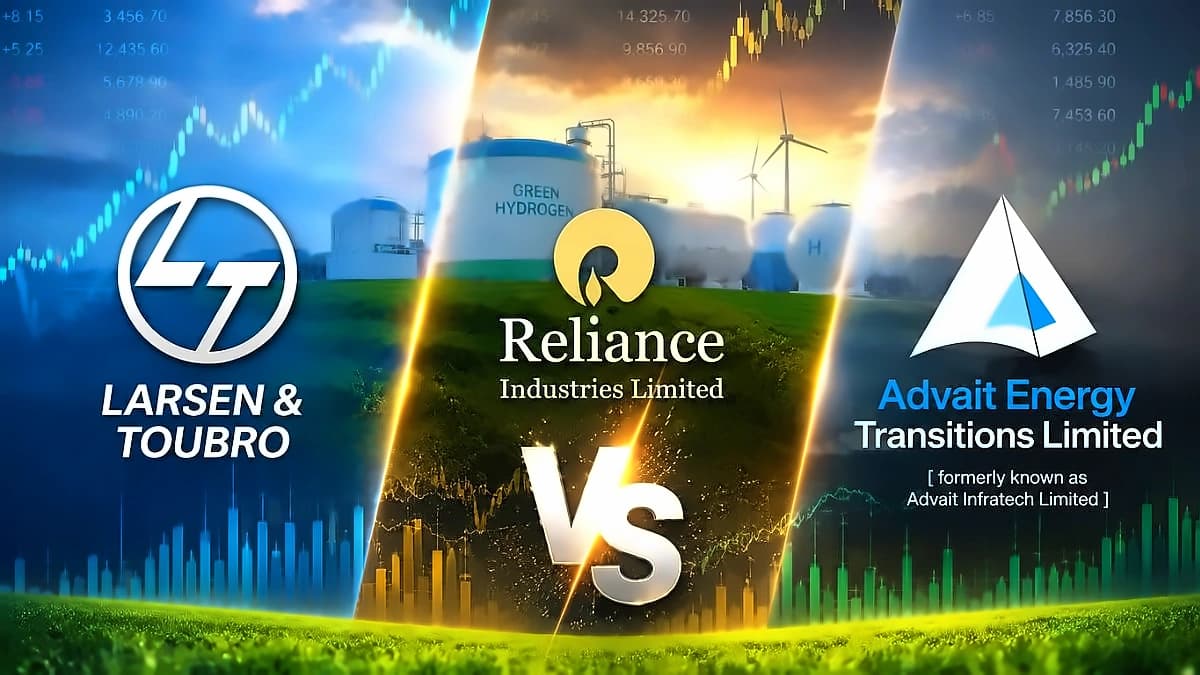
According to reports from CNBC TV18, Advait Battery Ecosystems Private Limited (ABEPL), a subsidiary of BSE and NSE listed Advait Energy Transitions Limited, has signed a deal with Hithium to secure battery cells for its upcoming energy storage plant in Gujarat. Under the Master Supply Agreement signed on September 18, 2026, Hithium will supply up to 1 GWh of lithium iron phosphate (LFP) battery cells over the next year. The agreement covers 314 Ah LFP prismatic cells, a battery technology widely used in energy storage systems, which will be used at the company's upcoming battery energy storage system (BESS) assembly plant in Gangad, Gujarat. As reported by Advait Energy Transitions Limited, the deal establishes HiTHIUM as a key cell supply partner as Advait builds its domestic BESS manufacturing capacity, with the agreement structured to anchor supply for the upcoming facility. The contractual value is $49.5 per kWh for up to 350 MWh, providing cost optimization through locked-in pricing during the initial commercial production phase.
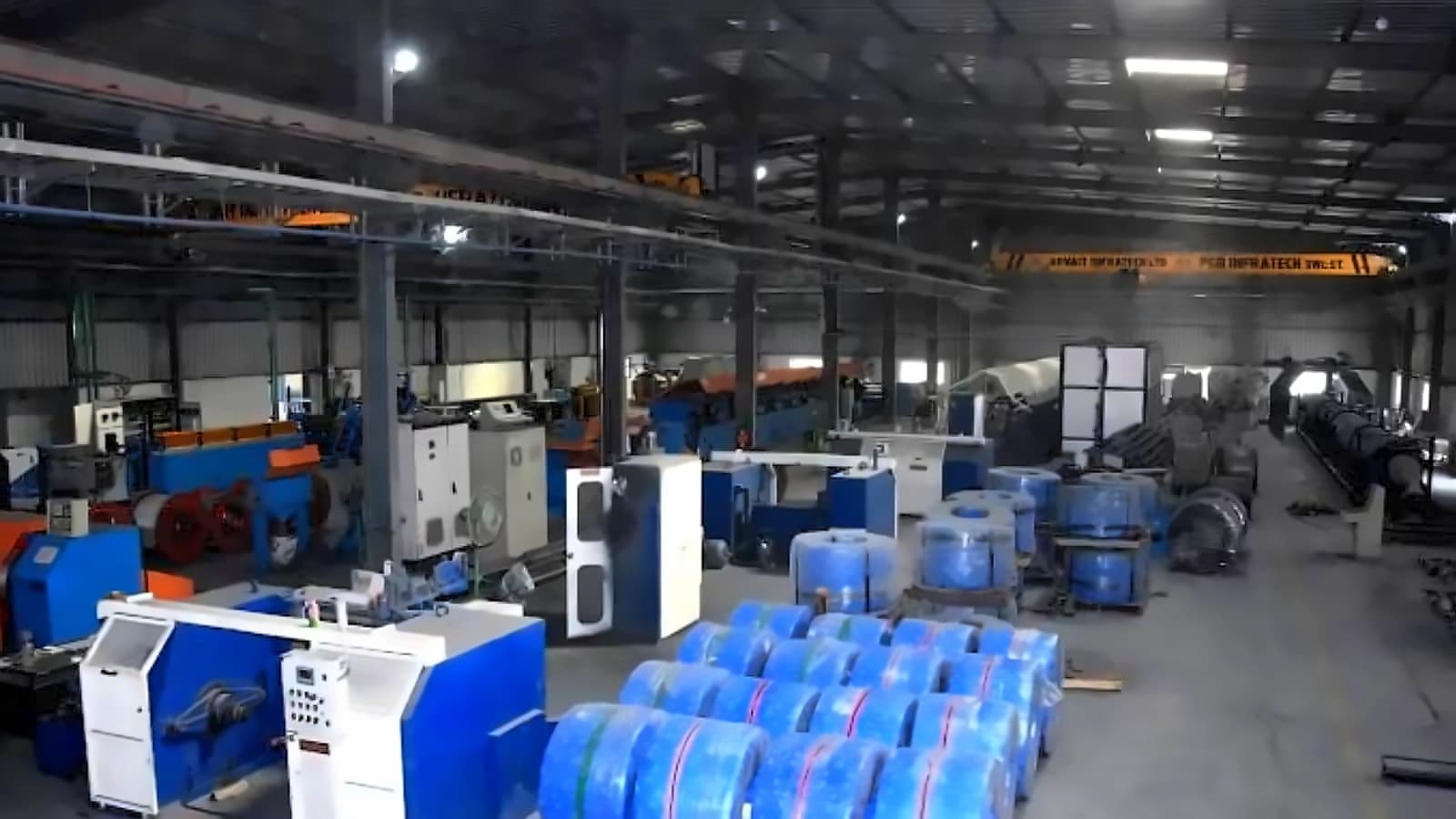
As reported by CNBC TV18, the Gujarat facility is expected to begin commercial production soon and is being built with a planned annual capacity of 2.5 GWh. The plant will manufacture battery storage systems for large power projects, businesses and industries, and renewable energy projects. According to Bhushan Shahane, Chief Operating Officer of Advait Battery Ecosystems, a dependable cell supply chain is essential for offering customers cost-efficient and high-performance energy storage solutions, with the company selecting Hithium based on its quality, performance and experience working with large energy storage developers. The integrated BESS facility will handle module and pack assembly, container integration, and system commissioning to support utility-scale and industrial clean energy applications across India, moving Advait from individual BESS projects towards larger-scale manufacturing. The initial offtake structure aligns with the ramp-up phase of the facility's production capabilities, with the strategic cell sourcing of 1 GWh over the next 12 months providing immediate volume security to match the planned ramp-up of the domestic 2.5 GWh BESS assembly plant.
According to CNBC TV18, the Gujarat plant is part of Advait's plan to build an India-based battery energy storage manufacturing chain. The company plans to cover several stages, from sourcing battery cells to assembling modules and packs, integrating them into containers and commissioning the final storage systems. Advait has also partnered with Adaptive Engineering for areas such as engineering design, energy management systems, control systems and overall system integration. With Hithium now supplying the battery cells, Advait said it is moving from individual BESS projects towards larger-scale manufacturing, with the partnership establishing a key cell supply framework as Advait expands from project-level deployment to domestic volume manufacturing. The agreement allows Advait to bring high-volume, widely deployed LFP technology directly into India's emerging energy storage ecosystem, with the technology integration of 314 Ah LFP prismatic cells enabling entry into the grid-scale and commercial energy storage market with proven high-lifecycle technology. This positions Advait as a serious player in the rapidly expanding domestic utility-scale storage market, with the entry into cell offtake structures with a BloombergNEF Tier 1 global energy storage manufacturer setting a benchmark supply framework for initial production phases.
As reported by CNBC TV18, shares of Advait Energy Transitions closed at ₹1,863 on the NSE on Monday, down ₹43 or 2.26%. However, the company demonstrated strong financial performance with consolidated net profit rising 65.8% YoY to ₹14.80 crore in Q1 FY27, compared to ₹8.93 crore in Q1 FY26. In August 2026, Advait Energy Transitions also secured a major ₹116 crore solar EPC order, following several turnkey distribution contracts from PGVCL worth ₹250.59 crore in July 2026. The market decline occurred despite the positive supply agreement announcement, indicating mixed sentiment toward the company's energy storage expansion plans. The company's move to secure a high-volume supply deal with a Tier-1 partner like Hithium represents a calculated risk-mitigation step, as India lacks domestic cell manufacturing capabilities, making partnerships with global players essential for domestic system assemblers.