The global dairy industry is struggling to meet surging demand for whey protein, a powdered byproduct of cheese-making that has become essential in high-protein food products. According to reports from Business Standard, the average US supermarket now carries 38,708 products advertising their protein content, as food companies increasingly incorporate whey into everything from breakfast cereals and snacks to beverages. Kathleen Wolfley, vice president of Ever.Ag Insights, noted that demand is very firm and seemingly outpacing supply for the moment. Wholesale prices for whey protein began rising in 2024, with the pace accelerating through 2025 and into the current year.
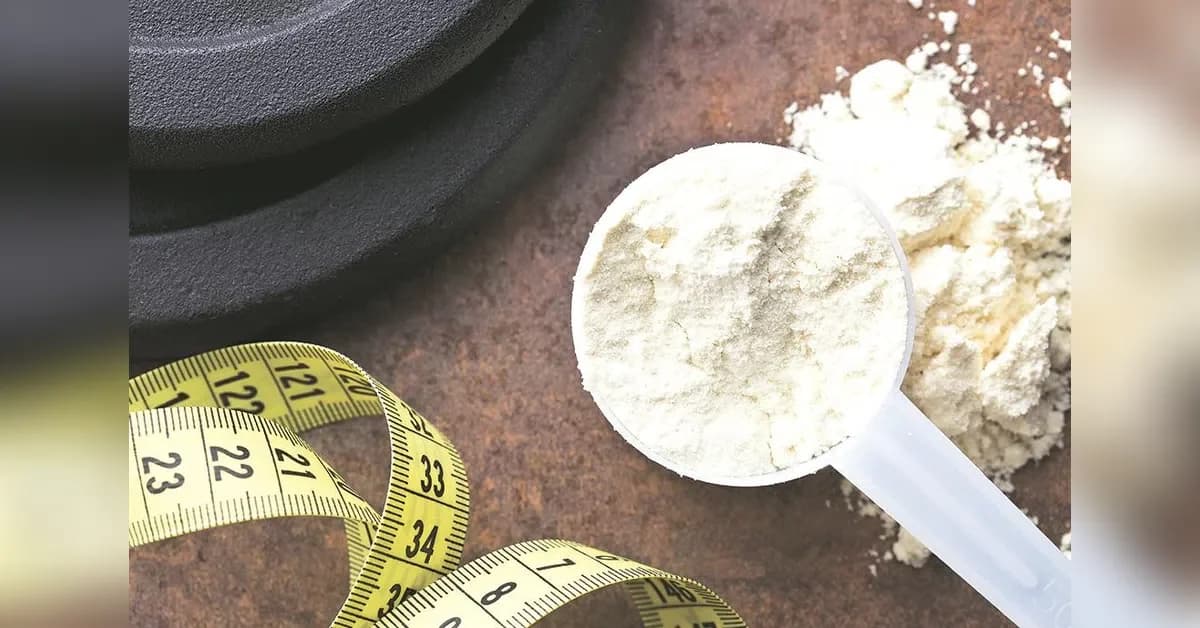
Whey protein concentrate with 80% protein content is now trading at more than $13 per pound in the US dairy commodities market, representing a 250% increase from the same period last year, according to Ever.Ag. Whey protein isolate, containing at least 90% protein, has become 150% more expensive than the previous year. In Europe, 80% whey protein concentrate hit a new record average of 26,450 euros (USD 30,518) per metric tonne in late May, more than double from less than a year earlier, as reported by DCA Market Intelligence. US prices for whey protein concentrate powder have increased by around 15% over the past year, while premium whey isolate powder has seen steeper gains.
The supply shortage is partly attributed to reduced US exports, with exports of 80% whey protein concentrate and isolate to China falling 47% from January through April compared to the same period a year ago, according to Vesper. Jasper Endlich, a Vesper dairy analyst, explained that there simply isn't enough product for the US customer, and exports have therefore been paused as much as possible. China is now seeking more whey protein from Europe, which is also experiencing shortages due to reduced US exports. The US Department of Agriculture notes that every pound of cheese yields nine pounds of whey, but domestic demand for high-protein snacks and meals is keeping more whey protein in the US for food additives and supplements.
Use of GLP-1 weight-loss drugs has significantly supercharged demand for whey protein concentrate, as reported by Business Standard. Obesity drugs like Wegovy and Zepbound are designed to suppress appetites, making nutritionally dense foods essential. Around 6% of obese and diabetic patients in the US and 2% worldwide were using GLP-1 drugs last year, according to Morgan Stanley estimates, with some estimates putting GLP-1 use as high as 12% of the US adult population. Food and nutrition companies are creating added-protein products to attract these consumers, contributing to the overall supply-demand imbalance.
Manufacturers are responding to the supply constraints by increasing prices and exploring alternative proteins. Now Foods, an Illinois-based supplement maker, raised prices on its whey protein products earlier this year after two years of higher raw material costs, though the company doesn't anticipate further price increases this year. The company is also considering expanding its portfolio to include milk protein concentrate, which contains less whey and is cheaper. According to Ever.Ag, manufacturers are investing in whey protein production, but relief won't be immediate - Glanbia's additional capacity in New Mexico won't be ready until 2027, while Agropur plans to increase manufacturing at plants in multiple states by 2029. Higher prices could cause some consumers to stop buying whey protein powders, especially at a time when groceries are getting more expensive overall.