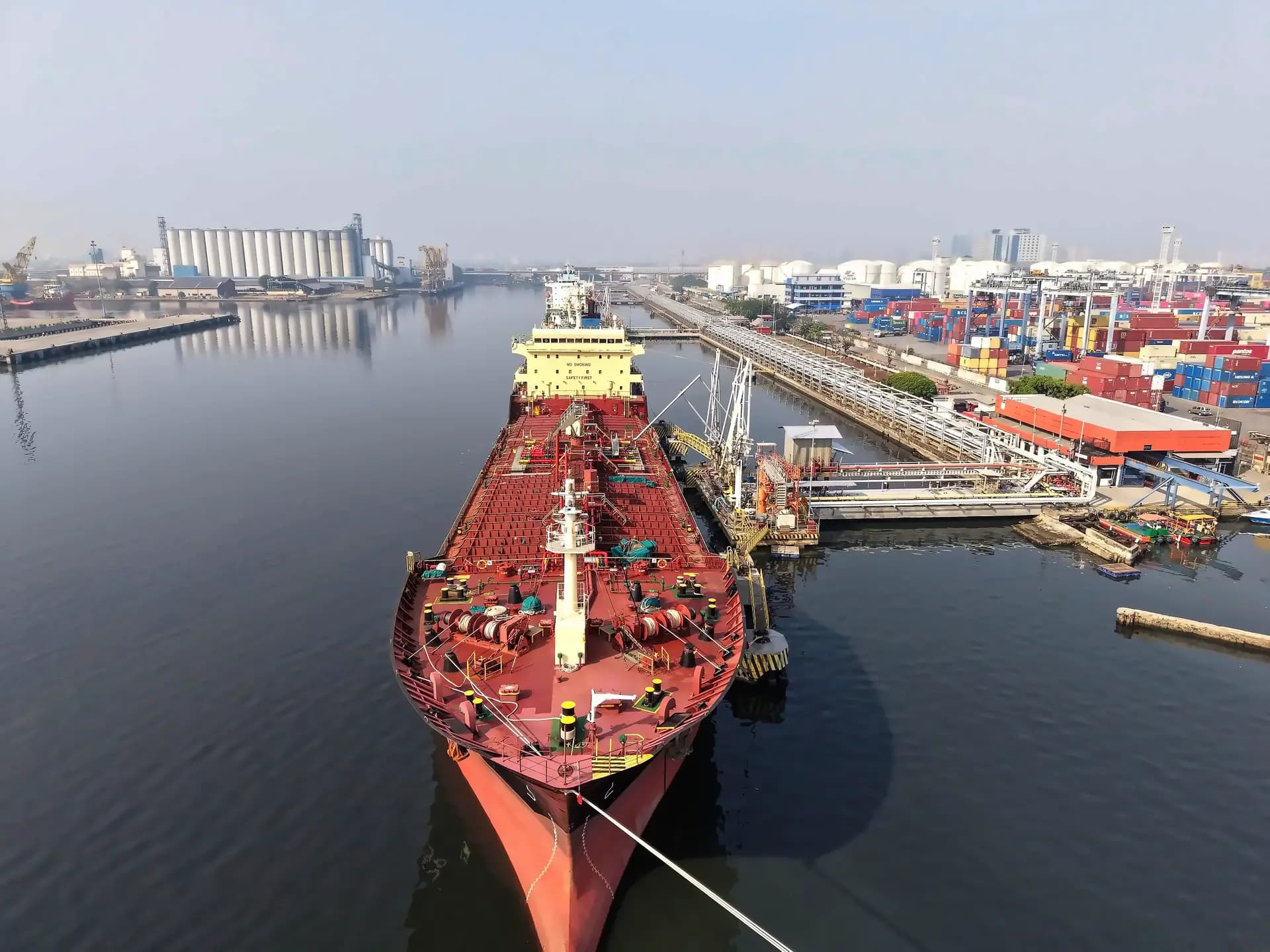
The situation in the Strait of Hormuz has escalated significantly with a commercial vessel seized by unauthorized personnel while anchored off the east coast of the United Arab Emirates, near the Strait of Hormuz. According to Bloomberg, the vessel's identity was not immediately clear, but UK authorities confirmed receiving reports that the ship was taken by unauthorized personnel while anchored in the UAE. Contact with the ship subsequently broke down entirely, with the vessel stopping transmission through the Automated Identification System (AIS), making its precise whereabouts unknown to external observers. The Hui Chuan, a fishery research vessel registered under the Honduran flag, was boarded by unauthorized personnel while at anchor, with British maritime risk management firm Vanguard placing the incident at 0545 GMT on Thursday. The seizure came as more vessels appeared to be moving through the strait, adding more uncertainty around control of this critical energy corridor.
The effective closure of the Strait of Hormuz since the US and Israel began bombing Iran in late February has upended energy markets and led to global supply shortages that have spread beyond the Gulf region. The strait, which usually handles about 20% of global oil and liquefied natural gas supply, has been closed for over a month, creating significant disruption in global energy markets. As reported by Bloomberg, supply shortages have spread beyond the Gulf, and prices remain under pressure, with oil prices having risen almost 50% since the war began. Brent crude traded near $106 a barrel after dropping 2% in the previous session, though prices have remained relatively stable on Thursday. The International Monetary Fund has warned that the energy shock threatens a wider slowdown in global growth, highlighting the broader economic implications of the Middle Eastern conflict. According to Reuters, Iran's Revolutionary Guards said 30 vessels had crossed the strait since Wednesday evening, still far short of the typical daily total of 140 before the war.

Iran has begun allowing limited vessel crossings through the Strait of Hormuz as diplomatic pressure mounts from major powers. Iran's semi-official Fars news agency cited a source saying Iran had begun allowing transit for some Chinese vessels, according to Reuters. Before the Fars report, a Chinese supertanker carrying 2 million barrels of Iraqi crude sailed through the strait on Wednesday after being stranded in the Gulf for more than two months. A Panama-flagged crude oil tanker managed by Japanese refining group Eneos has also passed through the strait, ship-tracking data from LSEG showed on Thursday, the second instance of a Japan-linked oil ship making it through. However, an Indian cargo vessel carrying livestock from Africa to the United Arab Emirates was sunk on Thursday off the coast of Oman while British maritime security agency UKMTO reported that "unauthorised personnel" had boarded a ship anchored off the United Arab Emirates port of Fujairah, and were steering it toward Iran.
The vessel seizure complicates ongoing US diplomatic efforts as US President Donald Trump and Chinese President Xi Jinping have agreed that the Strait of Hormuz must remain open for the free flow of energy, according to the White House. Xi expressed interest in purchasing more U.S. oil to reduce China's dependence on the Strait of Hormuz, according to the White House, though China has not imported any U.S. crude since May 2025 due to a 20% import tariff imposed during the trade war. Three people familiar with the White House's discussions told Reuters that officials are scrambling to contain the economic and political fallout of the war with Iran. The US sees this commercial relationship as a possible route into talks with Iran, with both sides having agreed that the Strait of Hormuz must remain open during Trump's visit to Beijing.
The conflict and closure of the Strait of Hormuz have created significant economic disruptions with far-reaching implications. The International Monetary Fund said the global economy is clearly moving into a middle "adverse scenario," which would see global real GDP growth falling to 2.5% this year from 3.4% growth in 2025, citing the war and the closure of the strait. The International Energy Agency said global oil supply will fall short of total demand this year as inventories are drained at an unprecedented pace. U.S. crude inventories fell by 4.3 million barrels to 452.9 million barrels for the week ended May 8 on rising exports, the EIA said, though distillate stockpiles rose. Tehran also appears to have tightened control over the strait, cutting deals with Iraq and Pakistan to ship oil and liquefied natural gas from the region, according to Reuters.