The United Arab Emirates (UAE) has announced its decision to pull out of both OPEC and OPEC+ alliances, marking a significant shift in the global oil market landscape. According to WAM, the state news agency, the UAE will exit the Organization of Petroleum Exporting Countries (OPEC/OPEC+) effective May 1, 2026. UAE Energy Minister Suhail Mohamed Al Mazrouei told Reuters that the decision followed a thorough review of the country's current and long-term energy strategy, with no discussions held with other countries before the announcement. The move comes after Abu Dhabi criticized fellow Gulf powers for failing to do more to protect the country from attacks by Iran, as reported by Yahoo Finance. Asked whether the UAE had consulted with Saudi Arabia, Al Mazrouei said the UAE had not raised the issue with any other country, stating this is a policy decision, it has been done after a careful look at current and future policies related to level of production. The UAE's energy ministry states the decision "reflects the UAE's long-term strategic and economic vision and evolving energy profile," following a "comprehensive review" of its production policy and current and future capacity. Before the conflict erupted, the UAE was OPEC's third-biggest producer, accounting for roughly 12% of the group's overall supply, making its departure a significant loss for the organization.
As reported by Yahoo Finance, international oil prices briefly topped $112 per barrel on Tuesday morning, recovering all losses since President Trump's initial April 7 ceasefire announcement. The departure of one of OPEC's long-standing members could disrupt the cohesion of the group and diminish its influence. According to The Times of India, the UAE's move delivers a significant setback to oil-producing alliances and their leading force, Saudi Arabia. OPEC nations account for roughly 36% of global oil output and hold nearly 80% of the world's proven crude reserves. US oil prices (CL=F) rose to $99 following the announcement. However, UAE Energy Minister Al Mazrouei told Reuters that the move would not have a huge impact on the market because of the situation in the Strait of Hormuz, where Gulf producers have been struggling to ship exports through the chokepoint. Capital Economics analysts suggest the UAE could pump an additional 1 million barrels per day outside OPEC, potentially bringing total UAE production to around 4.5 million barrels per day when energy flows eventually return to normal. The World Bank warns that Brent crude oil prices could average $86 per barrel in 2026, up from $69 in 2025, though prices could reach $115 per barrel if the war is more prolonged.
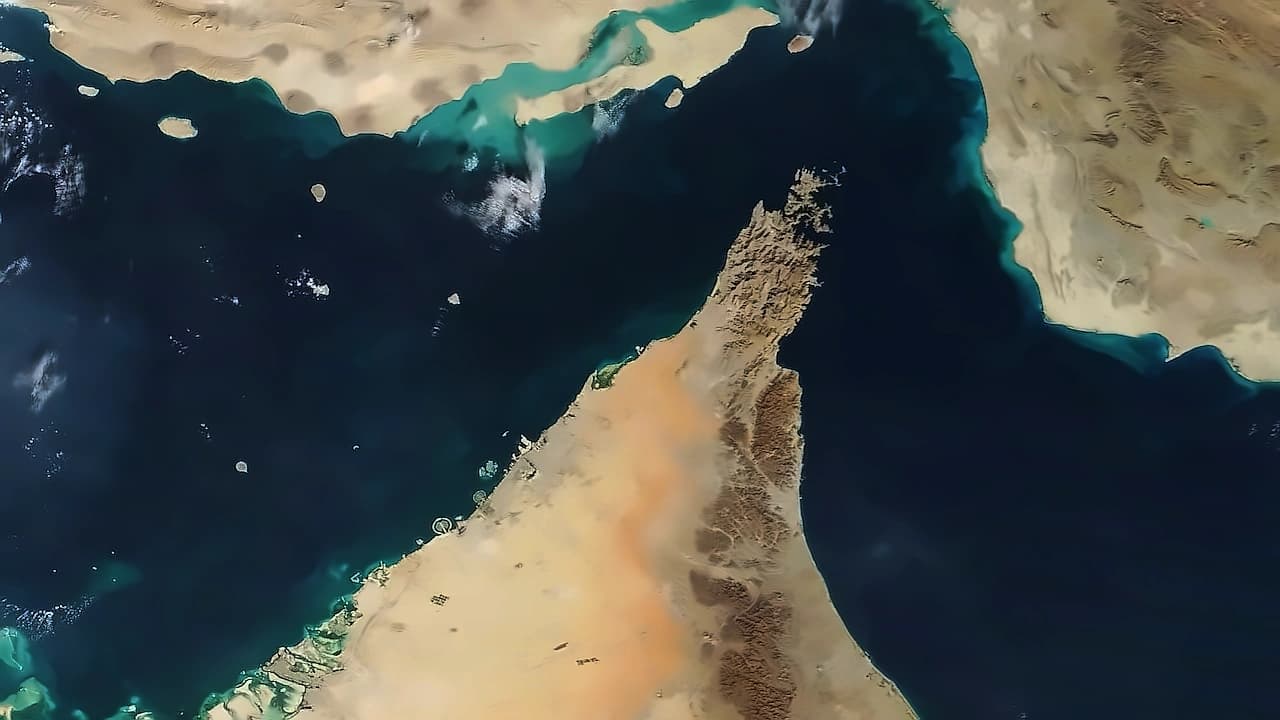
According to The Times of India, Gulf producers within OPEC have been facing difficulties in exporting crude due to disruptions in the Strait of Hormuz. This narrow waterway, located between Iran and Oman, normally handles around one-fifth of global crude oil and liquefied natural gas shipments. Iranian threats and attacks on vessels in the region have further complicated the movement of energy supplies. As reported by Yahoo Finance, the global oil market in April faced a 13.7 million barrel per day shortfall due to a combination of halted exports and widespread infrastructure damage from the war in Iran. The Strait of Hormuz has remained essentially shuttered despite repeated attempts at peace talks. March saw Iran launch a successful drone attack on the UAE's Shah gas field and attack the United Arab Emirates port of Fujairah, which lies just outside the strait of Hormuz, while other export hubs are located within the Gulf. The UAE has been able to utilize its pipeline to Fujairah to bypass the Strait to a certain extent, but this option is currently running close to capacity.
The UAE's exit comes as the country faces unprecedented production challenges due to the Strait of Hormuz crisis. According to The Times of India, the UAE produced 3.4 million barrels per day before the start of the Iran war, but following the closure of Hormuz, production slumped 44% to 1.9 million barrels per day in March. The UAE's production capacity is currently 4.85 million barrels per day, meaning the country has been producing close to 30% below its current capacity as part of OPEC+. However, following a $150 billion spending programme, Adnoc is close to achieving the country's slated goal of reaching 5 million barrels per day by 2027, with the target brought forward by three years. An energy industry source familiar with the decision told The Times of India that "this decision is good for consumers and good for the world. Following the Hormuz crisis, globally, the spare capacity is at a historical low and very tight." The UAE's crude exports mostly go to Asia, with India, China and Japan among key buyers, and the country's independence from OPEC will help it "contribute effectively to meeting the market's pressing needs," according to the energy ministry. Before the war erupted, the UAE held about 660,000 barrels a day idle capacity, according to the IEA, though several analysts believed Abu Dhabi was already near its maximum production capacity.
As reported by Yahoo Finance, the UAE's exit marks the first departure of a Middle Eastern power from the oil cartel since Qatar, the world's largest producer of liquefied natural gas, exited in 2019. The move is also likely to be seen as a strategic victory for President Trump, who has repeatedly accused the OPEC+ bloc of manipulating oil prices and "ripping off" the US. The decision comes at a markedly precarious moment for Middle Eastern oil powers, which have seen their ability to export oil out of the Persian Gulf cut to near zero as Iran has asserted military dominance over the Strait of Hormuz. The move follows growing frustration in Abu Dhabi over what it sees as insufficient support from fellow Arab nations during repeated Iranian attacks. Anwar Gargash, the diplomatic adviser for the UAE president, criticised the Arab and Gulf response to the Iranian attacks in a session at the Gulf Influencers Forum on Monday, stating "I expect this weak stance from the Arab League and I am not surprised by it, but I haven't expected it from the (Gulf) Cooperation Council and I am surprised by it." Tensions have also been growing between the UAE and Saudi Arabia, which is the dominant player within OPEC, with the two countries supporting different groups in Yemen, culminating in Saudi Arabia bombing what it said was a shipment of weapons for Yemeni separatists that had arrived from the UAE in December. Jorge Leon, head of geopolitical analysis at Rystad Energy, noted that "the longer-term implication is a structurally-weaker OPEC," adding that "outside the group, the UAE would have both the incentive and the ability to increase production, raising broader questions about the sustainability of Saudi Arabia's role as the market's central stabilizer."