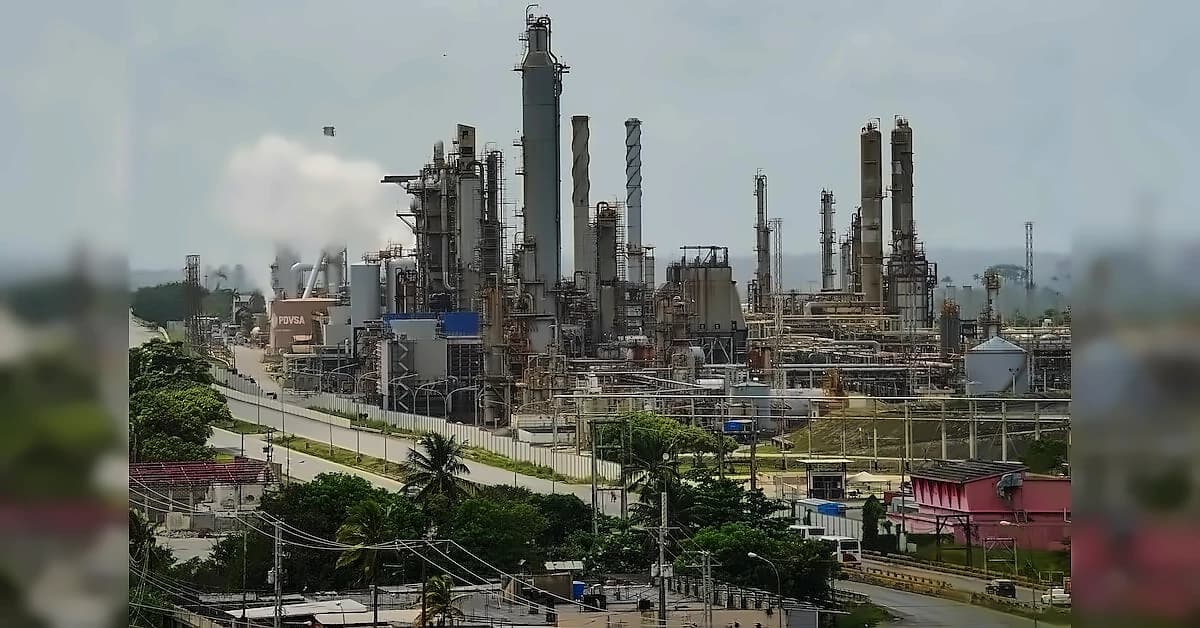
President Donald Trump has boasted that his sweeping oil accord with Venezuela — effectively giving the US control over much of the nation's crude wealth — is possibly 'the greatest deal ever made.' According to reports from Bloomberg, the arrangement has caused a wave of unease and alarm among industry leaders who worry it short-circuits ongoing commercial talks and cuts them out of some of Venezuela's most prospective targets. The deal was announced on Trump's social media platform last Friday, overshadowing investment accords signed by major energy companies including Chevron Corp., Eni SpA and GE Vernova Inc.
The US government has structured its 35% stake in North American Blue Energy Partners (NABEP) through penny warrants to protect its economic interest as the Venezuelan oil venture raises capital. As reported by Reuters, the warrants give Washington the right, but not the obligation, to purchase the equity at a nominal price in the future, helping preserve its 35% economic interest as the project secures new funding. The arrangement allows Washington to receive dividends before the warrants are exercised, giving the US the benefits of an equity holder while protecting its stake from dilution during the project's development phase.
The US government is taking a 35 per cent stake in North American Blue Energy Partners (NABEP), a private oil company led by controversial investor Alejandro Betancourt, which has secured 100-year rights to develop 17 Venezuelan oil fields. The concessions were awarded without a competitive bidding process, with the Betancourt arrangement, marshaled by the US State Department and the Pentagon, blindsiding many energy companies and leaders, including those already engaged in commercial talks in Venezuela. The deal involves 65 billion barrels of proven reserves across the 17 fields allocated to NABEP, representing about 21% of Venezuela's total reserves of 303 billion barrels.
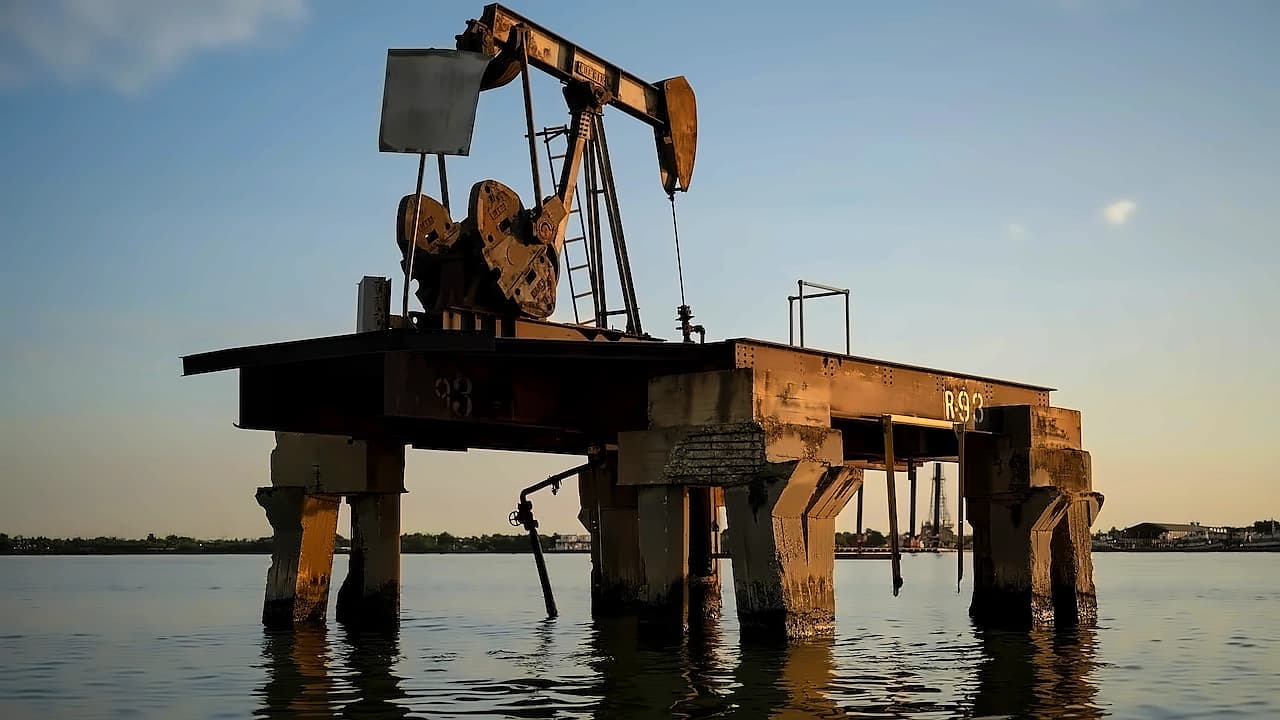
Some US oil executives have expressed concerns that the arrangement could sideline them from lucrative projects, according to people familiar with the matter who asked not to be identified. Kevin Book, managing director at Washington-based ClearView Energy Partners, noted that when the government takes an equity investment in a private company, it has an incentive to try to preserve that investment, raising questions about whether it does so in a way that's complementary with the rest of the industry or competitive with it. The administration has sought to assuage oil industry concerns, casting the arrangement with NABEP as providing more security for private-sector transactions in Venezuela.
Venezuela currently produces about 1.1 million to 1.2 million barrels of oil per day, with US Energy Secretary Chris Wright predicting output could more than double in coming years as new agreements with international energy companies begin taking effect. The NABEP project alone targets more than 1.5 million barrels per day, meaning the deal is being sold not just as a transfer of assets but as the mechanism for a broader production recovery. However, analysts broadly agree that Venezuela's degraded oil infrastructure makes any near-term supply surge unlikely, with most forecasts suggesting the deal is unlikely to move prices materially before the 2026 US midterm elections.