Thermal coal prices have experienced significant gains as the Iran war forces countries to shift from liquefied natural gas (LNG). According to reports from The Hindu BusinessLine, thermal coal prices have gained over 10% in the past month and over 35% this year as the conflict disrupts global energy markets. The Newcastle coal futures contract for April has surged to $142.50 a tonne on the InterContinental Exchange, with cargoes trading as high as $145/tonne as of March 20, the highest since November 2024. The latest developments show that oil prices have fallen as Iraq's KRG and Baghdad reach a deal to resume oil exports via Turkey's Ceyhan port, easing some supply concerns while the broader energy crisis continues. As per The Hindu BusinessLine, Thailand fuel prices have climbed 18% overnight as Mideast conflict pushes up LNG costs, with the government cutting fuel subsidies as soaring global oil prices linked to the Middle East war push diesel up 18%.
As reported by The Hindu BusinessLine, thermal coal prices across different regions have shown substantial increases. API2 coal delivered to European ports has increased 13% to $121/tonne, while API4 coal shipped from Richards Bay port in South Africa has gained 10% to $110/tonne. Among lower grade cargoes, Indonesian 4,200kcal/kg coal from East Kalimantan has gained 12% since the war began, trading at $57/tonne. Time-spreads between first and six-month contracts have also widened from $5/tonne to $8/tonne, signalling strong demand for high-grade tonnage. The latest market data shows that Thailand fuel prices have climbed 18% overnight as Mideast conflict pushes up LNG costs, with the government cutting fuel subsidies as soaring global oil prices linked to the Middle East war push diesel up 18%.
According to BMI, a unit of Fitch Solutions, the conflict between the United States and Iran, which began on February 28, has disrupted shipping via the Strait of Hormuz, a vital waterway responsible for 20% of global LNG supply. As reported by The Hindu BusinessLine, the damage inflicted on Qatari gas facilities by Iran will lead to prolonged disruption to LNG supply even after the conflict ends. The Paris-based International Energy Agency (IEA) has estimated at least a 20% fall in LNG production after Iran hit Qatar's facilities, which could take years to recover. The latest developments show that over 40 Middle East energy sites have been heavily damaged by the conflict, with the IEA chief warning that the current energy crisis is worse than past oil shocks. Global LNG market is losing 1.5 million tons of LNG per week amid Hormuz crisis, forcing some Asian countries to cut demand while others seek alternative supplies. According to The Hindu BusinessLine, oil prices have fallen as Iraq's KRG and Baghdad reach a deal to resume exports via Turkey's Ceyhan port, which could provide some relief to global energy markets while the broader Iran war crisis continues.
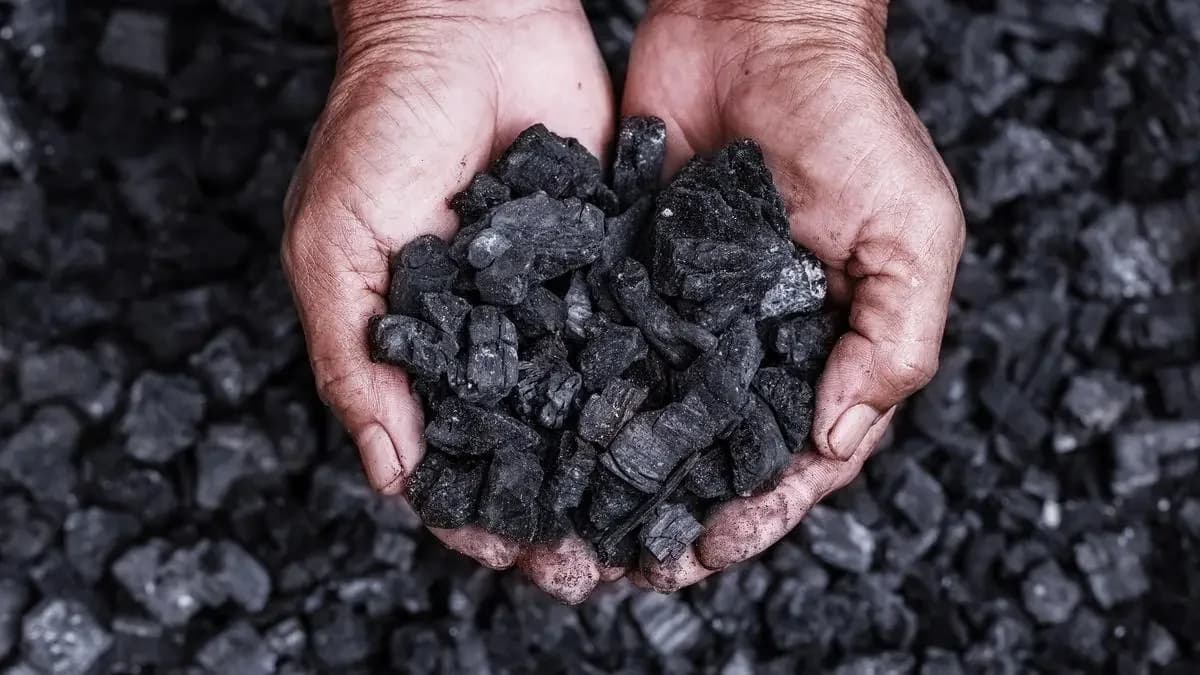
As reported by Morgan Stanley, Japan, Korea and Taiwan could need an additional 1.5-2 million tonnes of thermal coal a month if LNG export disruption continues, representing an 8-10% rise in demand. South Asia's demand for coal imports could increase by an additional 1-1.5 million tonnes a month if the war continues for months. According to Jefferies, thermal coal could garner market share from natural gas in seaborne markets if LNG prices surge due to the war, with price-sensitive nations in Asia expected to shift to coal. The latest data shows that Philippines has become the first country to declare energy emergency due to Mideast conflict, with President Ferdinand Marcos Jr. signing an executive order formally declaring emergency to stabilize energy supplies. As per The Hindu BusinessLine, South Korea raises energy alert amid Middle East oil disruptions as the government cites supply interruptions as Iran war impacts crude imports through Strait of Hormuz.
According to BMI, they are increasing their 2026 price forecast for Newcastle thermal coal to $115/tonne from $100 previously. If Japan/Korea Marker (JKM) natural gas prices trade above $14/MnBTU, high calorific value thermal coal will remain competitive up to a price of $150/tonne. The agency expects higher gas prices to encourage switching to thermal coal in markets like Japan, South Korea, Taiwan, Pakistan and Bangladesh, which depend on natural gas for at least 25% of their electricity generation but retain fuel-switching capabilities. The latest market developments show that oil prices have fallen as Iraq's KRG and Baghdad reach a deal to resume exports via Turkey's Ceyhan port, which could provide some relief to global energy markets while the broader Iran war crisis continues.