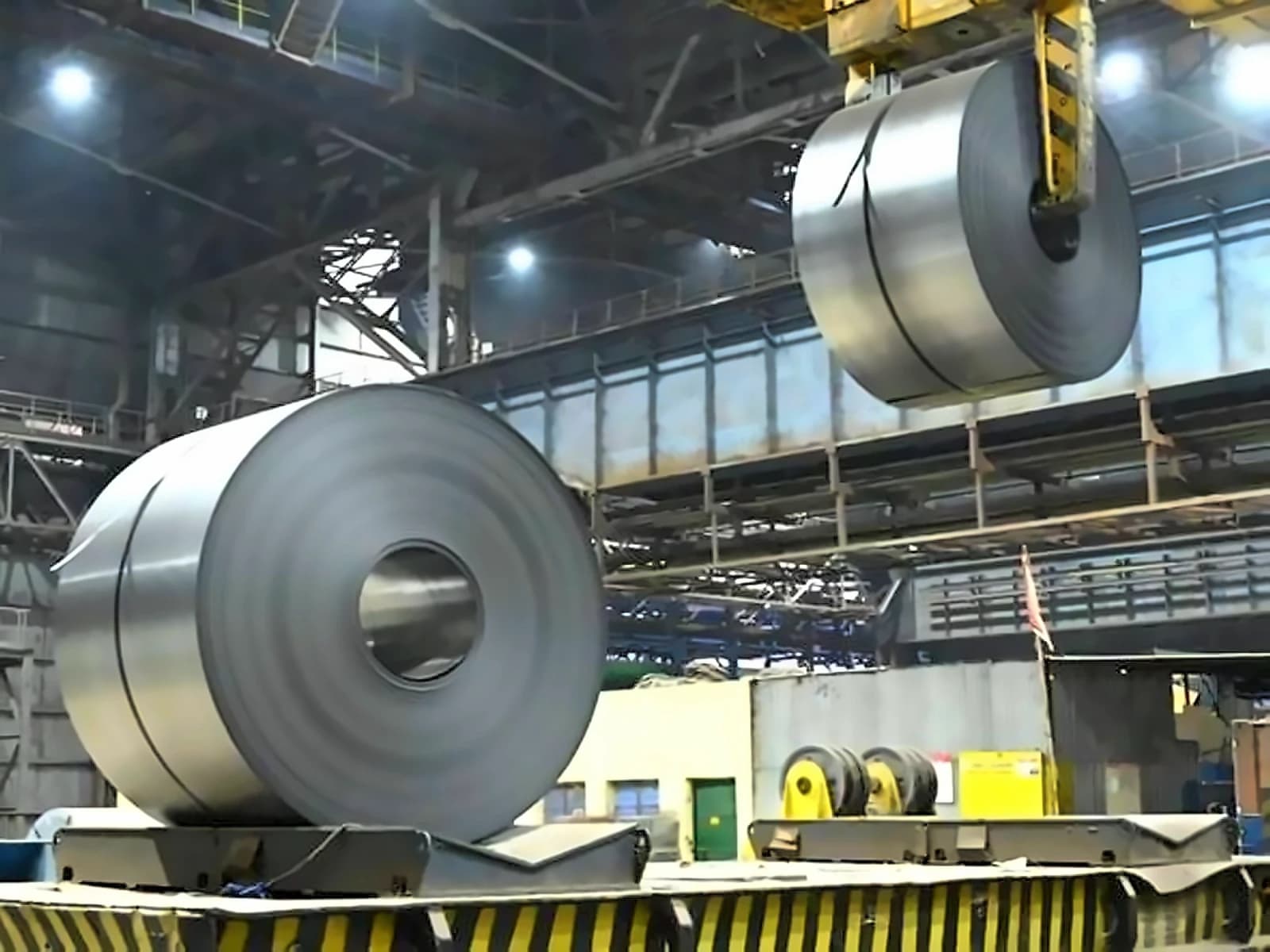
According to reports from NDTV Profit, Tata Steel, JSW Steel, and Steel Authority of India Ltd. (SAIL) have announced price increases across several steel product categories, effective today. The hikes range from ₹500 to ₹1,500 per tonne, depending on the company and product segment. Tata Steel has increased prices of hot-rolled coils (HRC), cold-rolled coils (CRC) and thermo-mechanically treated (TMT) bars by ₹500-1,500 per tonne. JSW Steel has raised prices across HRC, CRC, galvanised pipe (GP), pre-painted galvanised iron (PPGI) and wear-resistant steel (WR) segments, with increases ranging from ₹600 to ₹1,350 per tonne. SAIL has announced a uniform price hike of ₹600 per tonne across its flat steel products, including polyethylene terephthalate (PET) products, CRC, HRC, coated steel and plate mill plates (PMP).
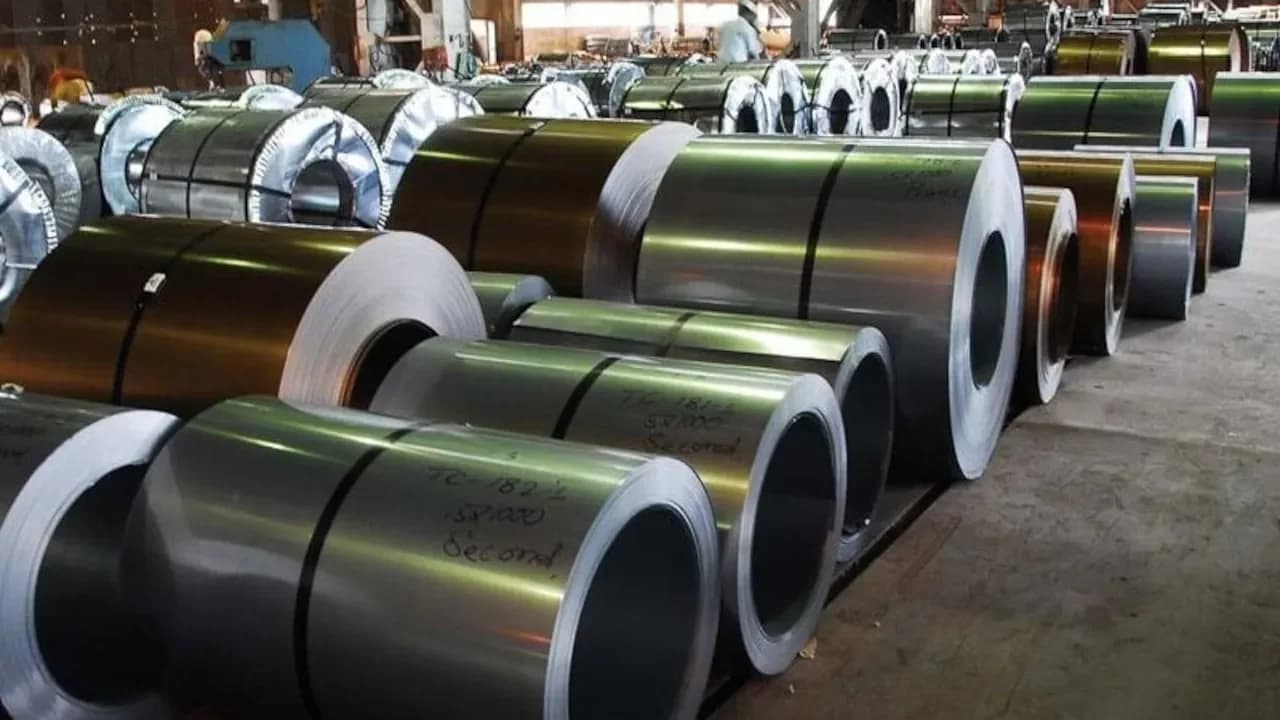
As reported by NDTV Profit, the latest increases follow another round of price hikes in October, when steel companies raised prices by ₹2,000-2,700 per tonne. That was the third consecutive monthly increase, supported by resilient demand and higher input costs. According to Nomura's weekly steel trends report dated November 1, domestic hot-rolled coil (HRC) prices in India declined ₹50 per tonne week-on-week to ₹63,650 per tonne in the week ended October 30, remaining elevated near their highest levels in the past four years. In contrast, rebar prices rose ₹150 per tonne week-on-week to ₹64,800 per tonne, extending their recovery after a period of moderation since the first quarter of FY27. The movement in prices has narrowed the domestic flat-long spread in favour of long products, with the differential turning negative at minus ₹1,150 per tonne as rebar prices gained momentum and outpaced HRC prices.
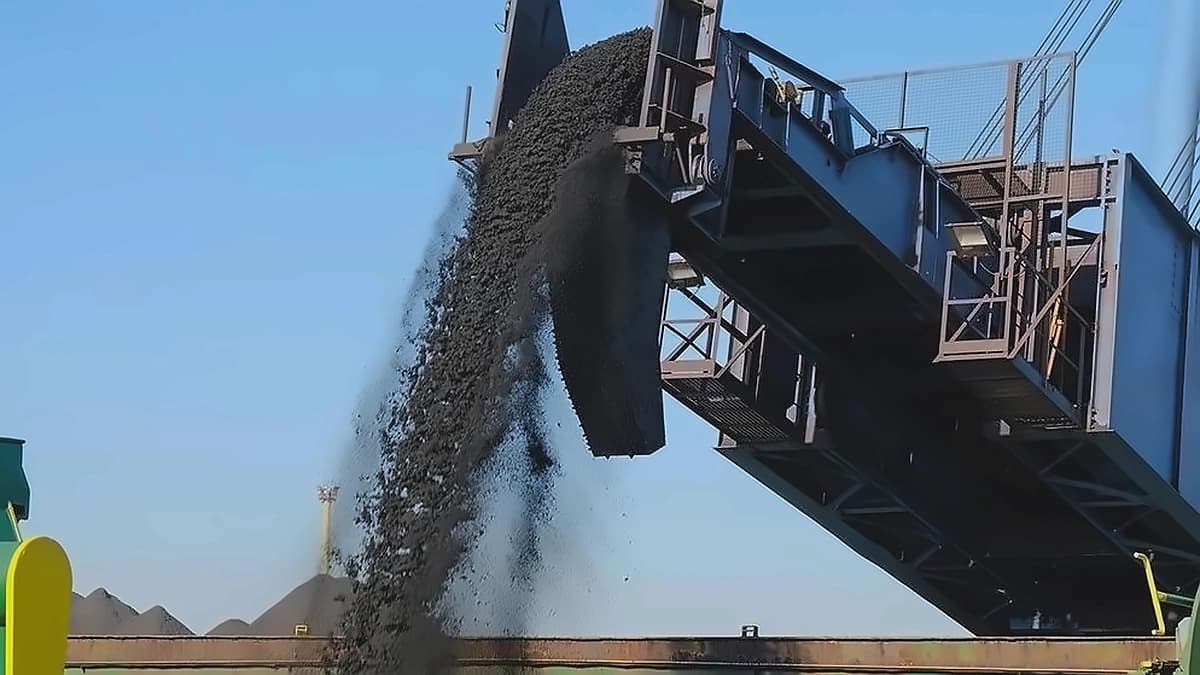
According to NDTV Profit, the latest round of increases comes amid higher costs of key raw materials and transportation, along with higher domestic fuel and power costs. Nomura notes that domestic steelmakers are well positioned to benefit in the first half of FY27 from recent price hikes, which it believes are more than sufficient to absorb raw material cost inflation. Despite concerns over broader macroeconomic inflation, domestic steel demand remains resilient, supported by government-led infrastructure spending and activity in the urban real estate sector. India continues to outperform several major global markets, with steel consumption projected to grow by nearly 7.9%. Globally, China's export HRC prices remained unchanged week-on-week at $505 per tonne, while domestic HRC prices declined $2 per tonne to $482 per tonne.
As reported by NDTV Profit, while higher prices could lead to short-term volume deferrals in price-sensitive retail segments, demand from institutional buyers and infrastructure-related projects has remained relatively firm. The price hikes come even as concerns over broader macroeconomic inflation persist, but the resilient domestic demand environment continues to support the steel sector's pricing power. Nomura reports that India's HRC spot margin stood at around ₹39,073 per tonne in October 2026, up around ₹3,000 per tonne quarter-on-quarter from the second quarter of FY27 and ₹1,550 per tonne month-on-month. In Europe, HRC prices remained steady at 750 euros per tonne, with margins unchanged at 482 euros per tonne, partly benefiting from easing global coking coal costs.