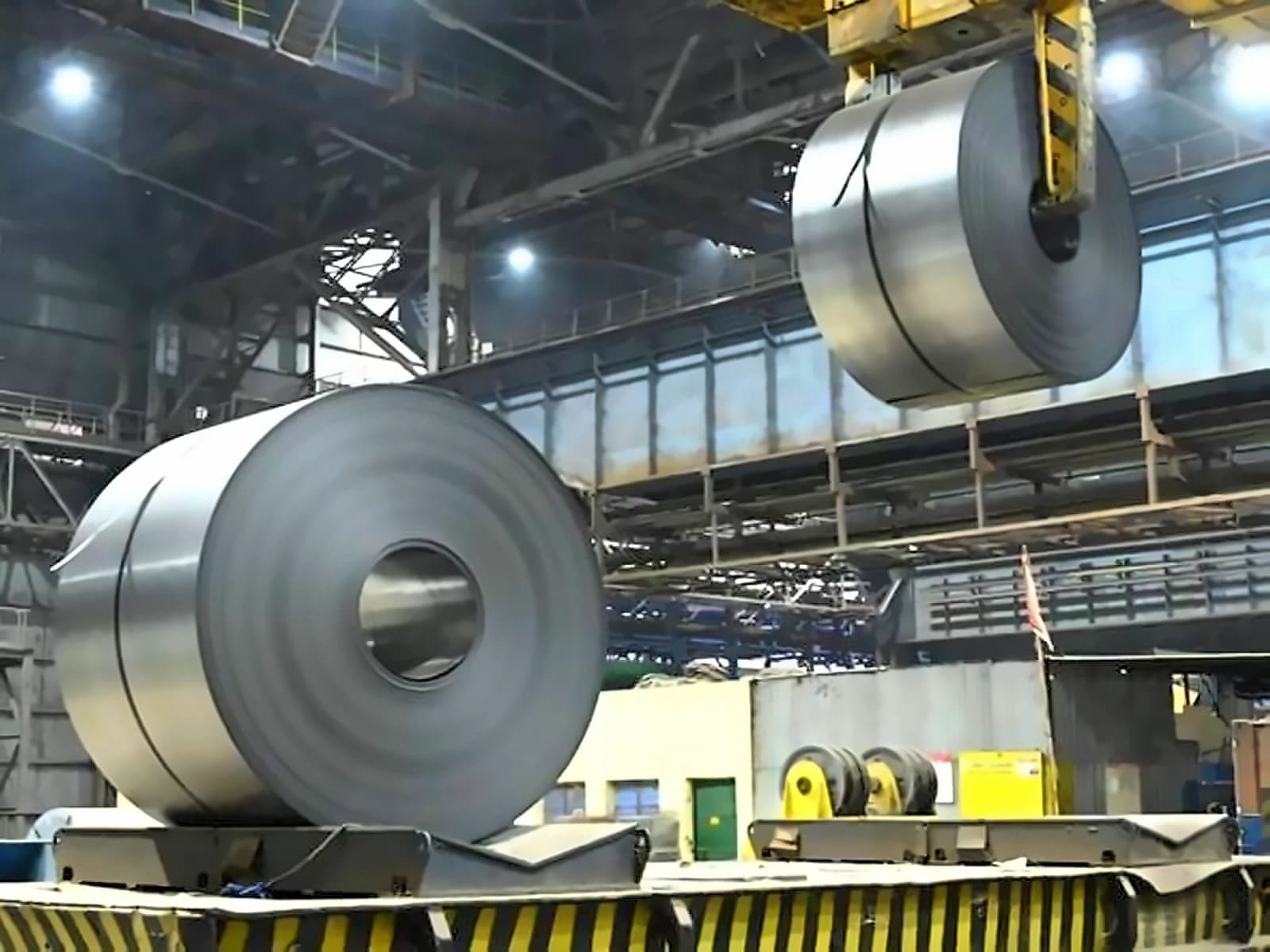
Steel companies are positioned for a robust March quarter (Q4FY26) performance, supported by firm demand and higher prices following multi-year lows in November 2025. According to reports from Mint, the uptrend began around mid-December, initially driven by higher coking coal costs, and continued throughout the quarter. Extended safeguard measures protected local producers from cheaper imports while a slowdown in Chinese exports tightened global supply. An extended monsoon last year reduced construction windows, forcing project execution into shorter periods and triggering surge in demand.
Steel prices rebounded sharply from November lows, with hot-rolled coil (HRC) prices rising up to 21% to ₹56,611 per tonne by end-March after hitting a 10-month low in November, as reported by BigMint. Rebar prices surged nearly 27% to ₹59,756 per tonne over the same period, recovering from a five-year low. HRC is widely used in automobiles and home appliances, while rebars are primarily consumed in construction and infrastructure projects. Higher coking coal costs, plant maintenance at key facilities, and limited supply added upward pressure on prices throughout the quarter.
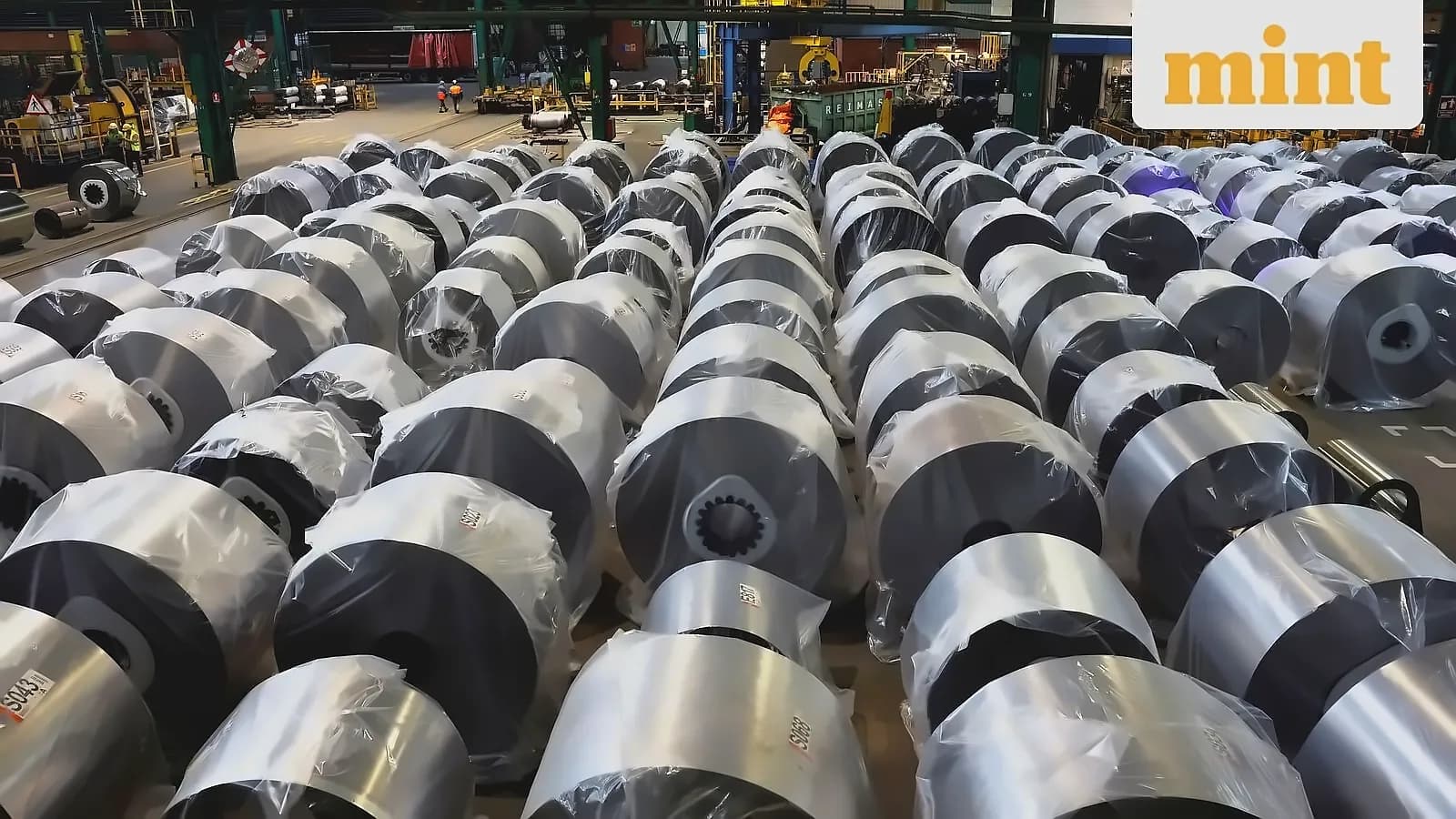
While prices are expected to remain firm in the near term supported by pre-monsoon construction activity and dealer restocking, according to Axis Securities, the rally may fade by June-July as monsoon slows construction. As reported by BigMint, while prices have recovered, a return to FY22 peak levels of around ₹70,000 per tonne for HRC is unlikely in the near term. The intelligence firm expects prices to soften from mid-May onwards, with demand typically slowing during the four-month monsoon season (June-September) as construction activity weakens. However, recent developments show signs of improvement with Cleveland-Cliffs reporting that Q1 2025 average selling prices are expected to increase at least $10 per ton over fiscal Q4, mainly due to higher automotive mix and improved market conditions.
Currently, global factors are not significantly influencing domestic steel prices after the imposition of safeguard duty, according to BigMint. Any potential export pressure due to the Carbon Border Adjustment Mechanism (CBAM), Europe's carbon tax, is unlikely to disrupt the domestic market in the short term, as robust demand can absorb supply and price realizations remain healthy. The domestic steelmakers have gained confidence to increase prices following the safeguard duty implementation, providing stability to the domestic market dynamics. Recent developments include recent 25% steel import tariffs and downstream product coverage that are seen as positive for both domestic producers and newly acquired operations like Stelco, with management highlighting historical Stelco outperformance during previous tariff regimes.