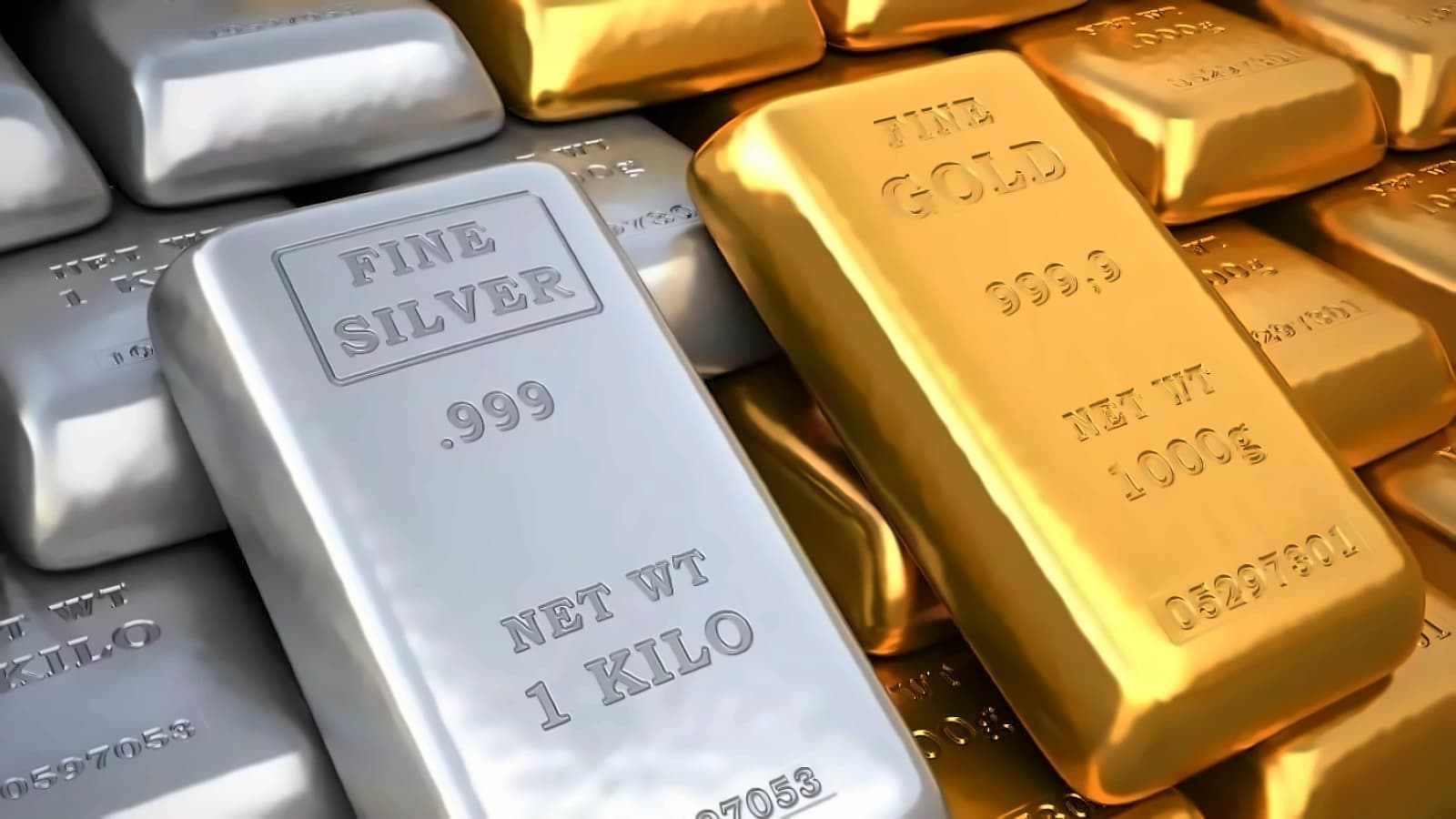
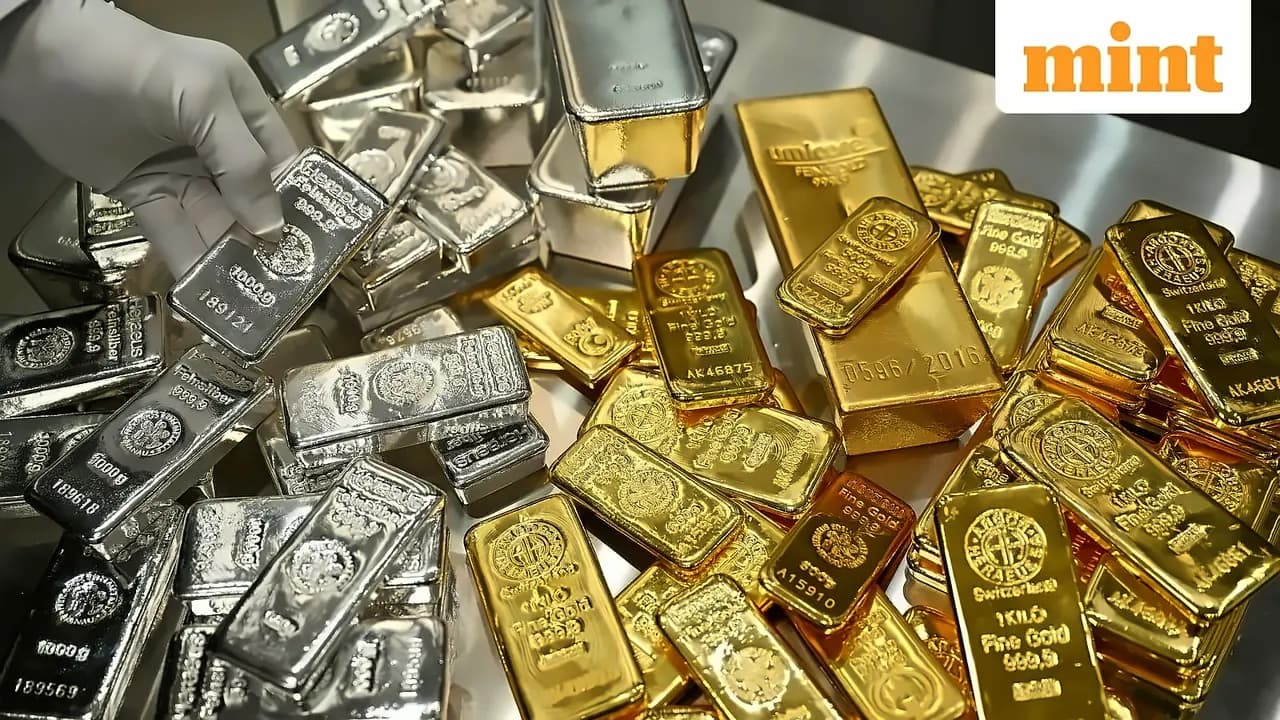
The Directorate General of Foreign Trade (DGFT) implemented significant restrictions on silver imports on May 16, shifting silver bars from the "Free" category to the "Restricted" category. According to the DGFT notification, these restrictions specifically target semi-manufactured silver products and bullion-grade silver bars with 99.9% or more purity by weight. The government order published on Saturday aims at curbing import costs and easing pressure on the rupee, with the restriction expected to reduce silver imports and widen the supply gap in the domestic market. Under the new order, silver bars with 99.9% purity and all other silver semi-finished products are now subject to immediate restriction, with these two categories accounting for more than 90% of the country's silver imports in the last financial year. The entry of silver has been completely halted, and importers must now secure a formal government license or dedicated authorisation from the DGFT before executing any foreign inward shipment of the precious metal. According to The Typewriter, the revised policy applies to items covered under ITC HS Codes 71069221 and 71069229.
Under current regulations, gold and silver ETFs can only issue new units after acquiring equivalent quantities of physical gold or silver. As reported by Business Standard, MF officials indicate that while India produces significant quantities of silver and there is current availability of silver bars with suppliers, a sharp spurt in demand could create difficulties for ETF managers to maintain prices aligned with underlying asset values. A senior fund manager noted that while India has sizeable silver production and industrial imports may continue, the domestic premium may rise due to supply constraints. The DGFT's notification comes amid a widening import bill, with silver imports surging by 149.48% to reach $12.05 billion over the last fiscal year, and silver imports touching $411 million in April alone following a major rise in March. According to Reuters, India spent a record $12 billion on silver imports in financial year 2025/26, up from $4.8 billion a year earlier, with April imports rising 157% year over year to $411 million.
Silver ETFs are designed to track domestic silver prices but can deviate during periods of exceptionally strong demand or supply issues. According to Business Standard reports, in such situations, ETFs tend to trade at significant premiums to silver prices on exchanges as they struggle to procure enough physical silver bars at appropriate prices to create fresh units and meet increased investor demand. The current ambiguity regarding government licensing for silver imports for investment purposes adds to the supply uncertainty. With the DGFT order, the domestic commodity market will immediately price in and factor this development, with commodity exchanges expecting highly volatile and disruptive opening sessions. Silver traded at a discount after the government raised import duties, but analysts expect it to begin trading at a premium in the coming weeks, as the restriction is expected to reduce imports and strengthen supply in the domestic market.
Last week, spot gold and silver were trading at a discount to MCX futures, with this discount also reflected in gold and silver ETF pricing. As reported by Business Standard, the lower prices resulted from offloading by importers and institutional investors following the hike in import duty on gold and silver to 15% from 6%. The Union government also sharply increased the standard customs duty on gold and silver from 6% to 15% on May 13 to discourage domestic consumption. The decision to impose restrictions on silver imports comes days after the Centre increased import duty on precious metals, including gold and silver, from 6% to 15% in an effort to regulate imports and conserve foreign exchange reserves for essential sectors such as energy and fertilisers. According to Reuters, the government earlier this week raised import duties on gold and silver to 15% from 6% as part of efforts to curb imports and ease pressure on foreign exchange reserves, driven by higher oil prices.
The persistent premium in ETF prices has prompted several fund houses to stop accepting fresh inflows into their silver fund of funds (FoFs), as reported by Business Standard. While mutual funds cannot restrict investments directly into ETFs since they are traded on stock exchanges, they can limit inflows into FoFs whose investments are routed into the underlying silver ETFs. For the average silver buyer, these policy adjustments are expected to directly translate into squeezed supply and heftier acquisition costs. Consumers looking to purchase physical silver for upcoming weddings, festive occasions, or traditional family savings will bear higher costs as the 15% standard customs duty, 3% Integrated Goods and Services Tax (IGST), and inevitable premiums local jewellers add to protect their depleting inventories. According to analysts, the government is likely to allow restricted imports of silver for industrial use, while curbing imports for investment products in the short term.