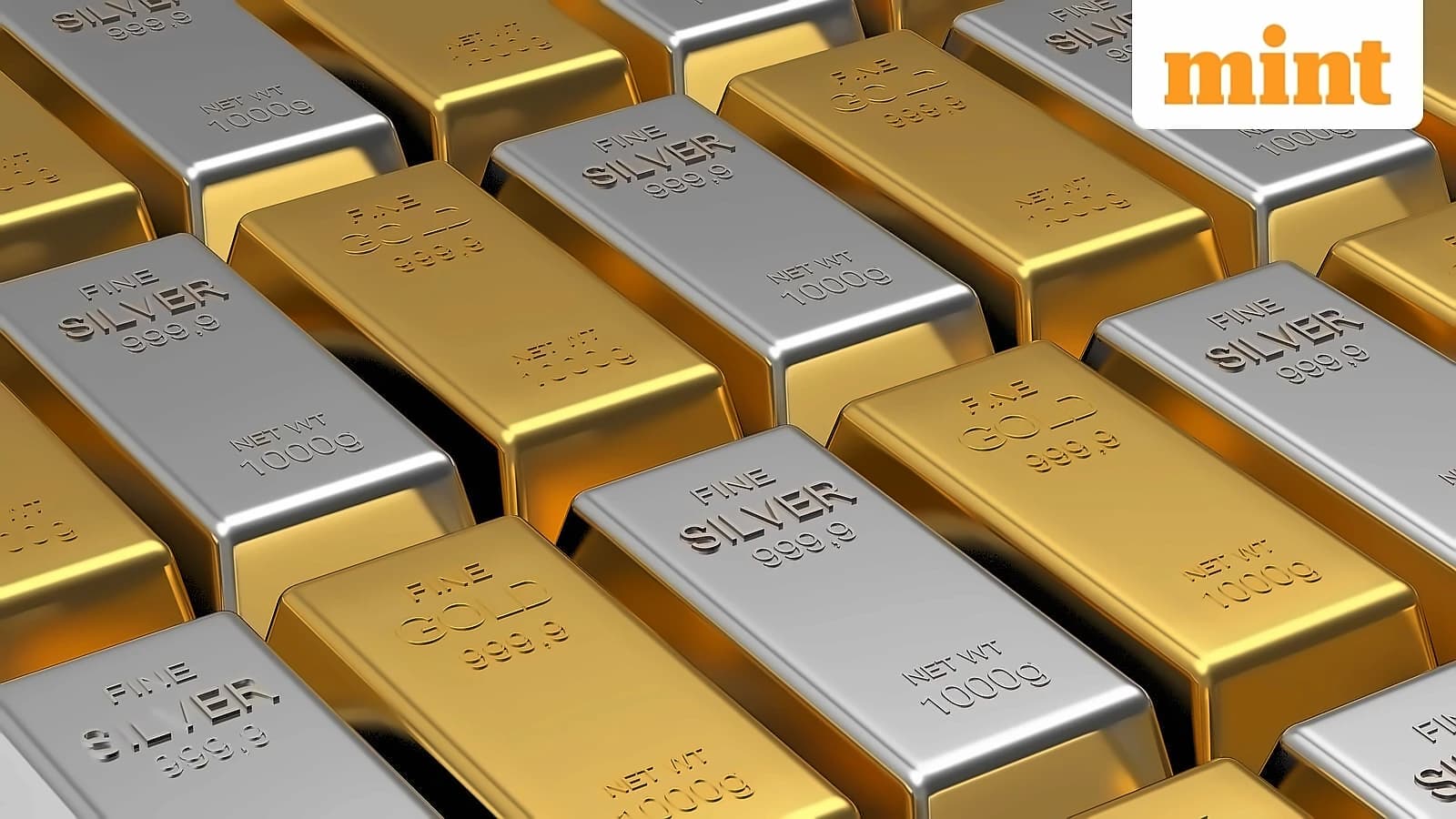
Silver has emerged as a compelling investment opportunity ahead of Akshaya Tritiya 2026, which falls on April 19. According to reports from Mint and The Economic Times, silver has delivered a massive 160% rise since the last Akshaya Tritiya on April 30, 2025, significantly outperforming gold's 58.7% increase during the same period. On MCX, silver prices are currently trading at ₹252,800 levels, though they remain over 40% down from their recent peak of ₹4,39,000 due to profit-taking and geopolitical concerns. The white metal's dual role as both a precious and industrial metal, combined with its higher beta potential, makes it an attractive addition to investment portfolios. Latest data from The Economic Times shows silver prices have surged from roughly ₹1 lakh per kg at the time of last Akshaya Tritiya to nearly ₹2.70 lakh per kg now, marking a remarkable performance gap with gold.
Financial analysts are advocating for a strategic allocation approach to precious metals. As reported by Mint, Kaynat Chainwala, AVP Commodity Research at Kotak Securities, suggests maintaining 75-80% of the precious metals basket in gold while allocating 20-25% to silver for tactical purposes. Harshal Dasani, Business Head at INVasset PMS, emphasizes that silver should be viewed as an addition rather than a replacement for gold, noting that it sits at the intersection of safe-haven demand and industrial usage. The Silver Institute and Metals Focus project the global silver market will remain in structural deficit for a sixth consecutive year in 2026, with the deficit widening to 46.3 million ounces from 40.3 million ounces in 2025. However, experts suggest a staggered accumulation strategy may be more prudent, allowing investors to balance silver's higher return potential with the need for risk management.
Gold maintains its position as a core holding with promising medium-term prospects. According to Mint reports, analysts project 10-15% upside for gold over the next year, with prices potentially retesting the $5,300-$5,500 range. Deveya Gaglani from Axis Securities expects domestic gold prices to reach ₹1,70,000-₹1,85,000 over the same period, driven by stagflationary environment or lower crude oil prices. The medium-term outlook remains supported by geopolitical uncertainty, stagflation risks, and ongoing structural shifts in global reserve allocation, with any weakness viewed as an accumulation opportunity rather than an exit signal. However, volatility has been pronounced in 2026, with Comex gold hitting a record high of $5,598 in late January before correcting sharply to $4,098 on March 23, largely due to profit booking and ETF outflows.
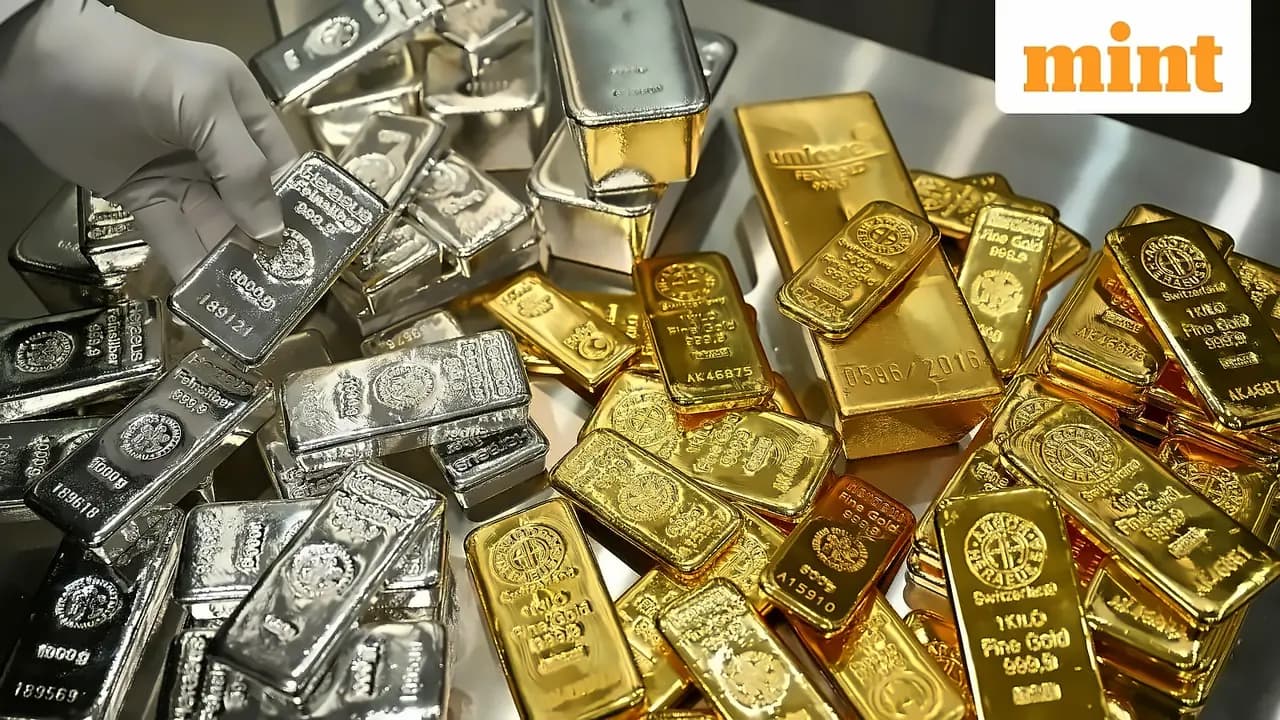
Gold jewellery stocks have also witnessed significant gains, with domestic sales for the sector jumping 32-124% year-on-year in the March quarter this financial year. According to The Economic Times, Thangamayil Jewellery has led the pack with gains as much as 100% since last year's Akshaya Tritiya, while Titan Company and Goldiam International have gained over 30% each during the same period. Arun Narayan, chief executive of Tanishq, highlighted that buyers could advance purchases for the April–July wedding season by booking orders on Akshaya Tritiya if recent softness in prices persists. He expects advance bookings to pick up, especially if prices remain relatively subdued, prompting fence-sitters to step in. The growing role of old gold exchanges, which now account for more than 50% of Tanishq's sales, is a trend likely to continue during the festive buying period.
Despite silver's strong performance potential, analysts caution about its inherent volatility. As reported by Mint, silver can offer higher returns but also witnesses sharper swings compared to gold. The white metal's performance typically outperforms in precious-metals upcycles, though with much greater volatility. Near-term volatility may persist due to liquidity pressures and shifting Fed expectations, as seen recently when gold plunged almost 10%. However, the structural deficit in the silver market and its dual role in both safe-haven and industrial demand provide fundamental support for its long-term investment case. Fundamentally, silver continues to enjoy strong tailwinds with demand from sectors such as solar energy, electric vehicles and electronics remaining robust, while supply-side constraints support its constructive medium- to long-term outlook.