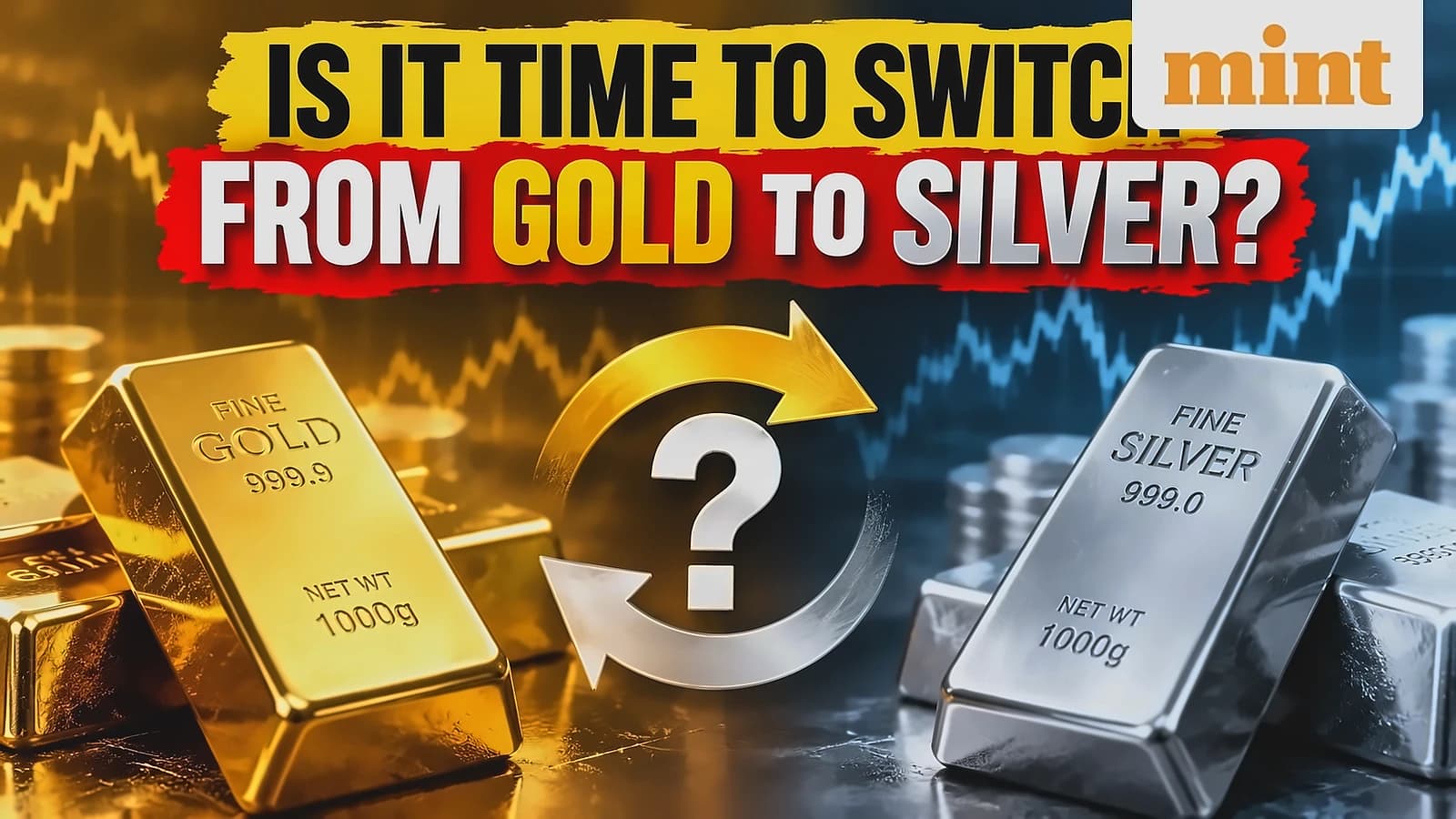
The gold-silver ratio has rebounded to 69 after falling in May, bringing it close to its long-term historical average. According to reports from LiveMint, this level suggests neither metal appears significantly overvalued or undervalued relative to the other. However, the most significant development came when Fed Chair Kevin Warsh testified before the House Financial Services Committee on July 15, carrying the Fed's first Monetary Policy Report since taking office in May. As reported by GoldSilver, M2 appears as a formally defined term in the abbreviations section for the first time in roughly a decade, marking a fundamental shift in Fed policy approach. This development signals a Fed that acknowledges money supply as the primary driver of inflation, aligning with gold investors' long-held monetarist principles. Warsh emphasized that "forward guidance isn't the business we should be in" and committed to following the law and data over political pressure, while calling the Fed's 2020 flexible average inflation targeting policy a mistake.
Earlier in 2026, the ratio briefly surged above 80, reflecting investor preference for gold amid geopolitical uncertainty and hawkish Federal Reserve expectations. As reported by LiveMint, this elevated level has since normalized as market risks eased. Tata Mutual Fund explains that the current reading sits close to the long-term historical average, suggesting relative valuations between gold and silver are broadly balanced. The fund house adds that future moves in the ratio will largely depend on global macroeconomic conditions, monetary policy expectations and industrial demand. The latest inflation data shows June headline inflation dropped 0.4% in a single month, well below May's 4.2% and meaningfully better than the 3.8% Wall Street consensus, with core inflation posting 0.0% for the month. However, this soft print came almost entirely from energy, with gasoline prices falling 9.7% in the month and the energy index dropping 5.7%, reflecting a brief ceasefire in the US-Iran conflict during June.
Gold prices surged to $4,103 after the latest inflation data release, representing a $90 daily gain from earlier levels. According to GoldSilver, gold had fallen to $3,983 overnight before the Bureau of Labor Statistics reported June inflation dropped 0.4% in a single month. Spot gold is currently trading near $4,062, up approximately 1.5% on the day, while spot silver stands at $58.85, up 1.95%. The previous session saw gold rally more than 2% before settling, with spot gold falling 0.6% to $4,028.13 per ounce and US gold futures declining 0.9% to $4,033.90. The fuel for June's soft inflation print came almost entirely from energy, with gasoline prices falling 9.7% in the month and the energy index dropping 5.7%. However, oil has climbed roughly 12% in July alone as the US reinstated its naval blockade of Iranian ports and levied a 20% fee on cargo transiting the Strait of Hormuz, suggesting July's inflation report may tell a very different story.
Despite near-term volatility, Tata Mutual Fund continues to maintain a constructive long-term view on gold, citing uncertainties over the US-Iran peace deal, US Federal Reserve rate dilemma, and a stronger dollar as factors that may keep gold prices in the current range. As reported by LiveMint, the fund house believes investors may look to accumulate on any decline in prices, with rupee depreciation potentially cushioning downside for Indian investors. For silver, Tata Mutual Fund expects consolidation in the short term due to weaker global economic outlook, but highlights long-term fundamentals remain favorable with projected global supply deficit for the sixth consecutive year. The latest Fed policy shift, with Warsh's emphasis on monetary aggregates and rejection of flexible average inflation targeting, creates a structural case for gold that depends on the Fed's fundamental approach to money supply management. Before the inflation report, traders assigned roughly 76% odds to a September rate hike, but after the print, the probability of the Fed holding steady in July jumped to 83%, with the two-year Treasury yield falling to 4.204% as bond buyers moved in.