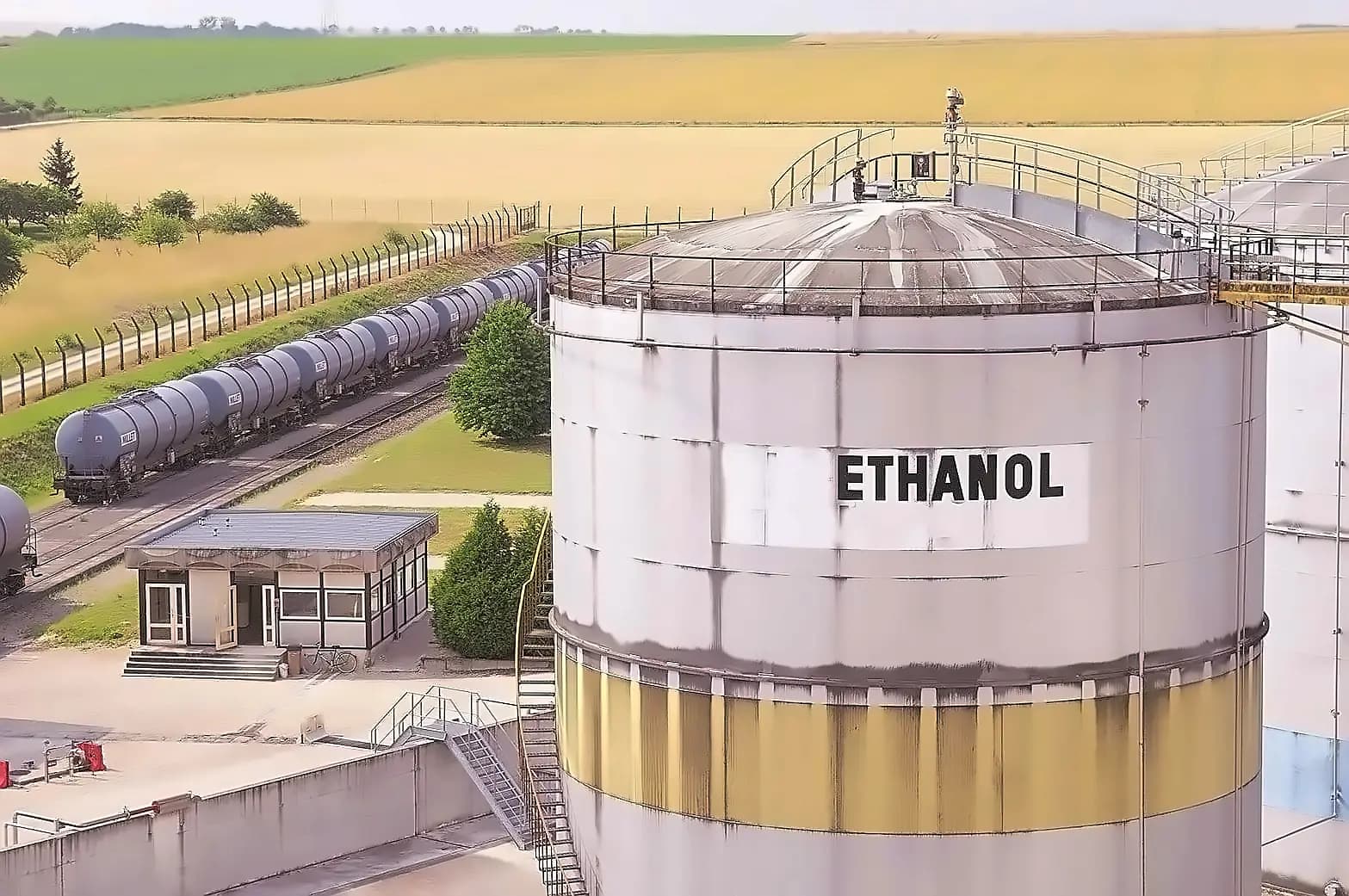
The Supreme Court on Tuesday allowed public sector oil marketing companies (OMCs) to award contracts for the procurement of an additional 1.49 billion litres of ethanol to Quarter IV bidders for the Ethanol Supply Year (ESY) 2025-26. According to reports from Business Standard, the order was passed in a batch of petitions concerning ethanol procurement under the Centre's Ethanol Blended Petrol Programme (EBPP). The interim arrangement was proposed by Attorney General R Venkataramani, appearing for Indian Oil Corporation, Bharat Petroleum Corporation and Hindustan Petroleum Corporation, and was supported by petitioners challenging an earlier Karnataka High Court order.
As part of the interim arrangement accepted by the court, suppliers without long-term offtake agreements (LTOAs) with OMCs will be treated on a par with other suppliers for the additional procurement. As reported by Business Standard, the batch of cases is led by Modi Biotech Private Limited and Others v VINP Sugars and Distilleries Private Limited. The petitioners have challenged a June 16 order of a single judge of the Karnataka High Court directing OMCs to consider a representation by VINP Sugars, an LTOA holder, seeking procurement of ethanol up to its design capacity.
While passing the interim order, the Supreme Court also questioned the basis of the High Court's direction, observing that it was 'at pains to understand' its merit or basis. According to Business Standard, senior advocates Ranjit Kumar and Amit Sibal appeared for Modi Biotech and were briefed by law firm Karanjawala & Co Advocates. The interim arrangement was opposed by some parties, with senior advocate Mukul Rohatgi appearing for LTOA units established during 2023-24, senior advocate Siddharth Dave representing VINP Sugars, and senior advocate Maninder Singh appearing for the Indian Sugar Mills & Bio-Energy Manufacturers Association.
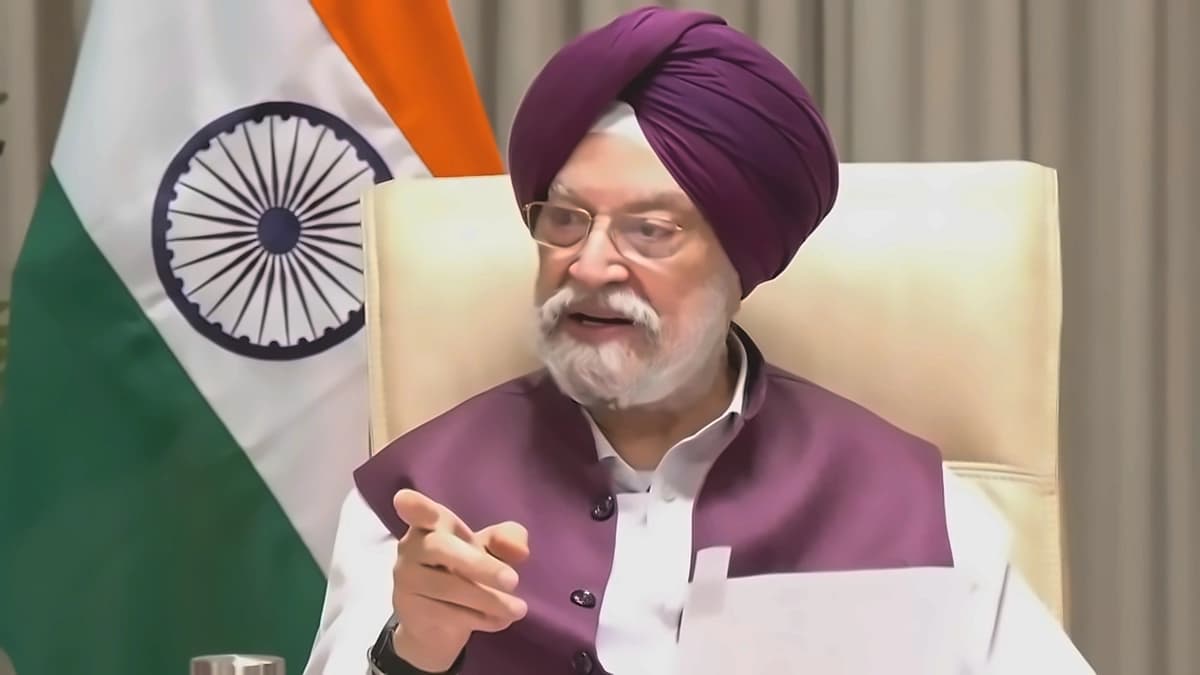
Dismissing reports of fuel quality issues at outlets, the government on Tuesday said additional checks have been introduced by oil marketing companies (OMCs) to detect fuel contamination and adulteration. In a post on X, the petroleum ministry said OMCs were regularly monitoring fuel quality, water ingress and contamination, and that only two cases of chloride contamination had been detected so far. According to the ministry, in addition to the advanced and elaborate testing protocols already in place, further checks have been instituted, including water ingress testing 8-12 times a day at over 87,000 outlets. Union Petroleum Minister Hardeep Puri has now rejected concerns raised over E20 petrol quality, saying reports based on a now-withdrawn Society of Indian Automobile Manufacturers (SIAM) communication were taking the issue out of context. Puri confirmed that rigorous fuel testing had begun nearly two weeks before the SIAM communication, with OMCs and the petroleum ministry collecting around 2,000 fuel samples from petrol stations in a single day as part of the testing exercise.