Saudi Arabia has unexpectedly cut November crude oil prices for Asia to a six-year low while raising rates for northwest Europe and the Mediterranean regions, according to a pricing document released on Monday. The largest West Asian crude exporter set the November Arab Light crude oil official selling price to Asia at $5 a barrel below the average of Oman and Dubai prices, representing a $3 decrease from the previous month. This discount for November marks the widest margin since June 2020, as reported by Reuters data. However, Bloomberg reports that traders and refiners had expected a $5 increase from October, making the actual cut even more significant. The decision came as a surprise to market participants, who had expected a price hike of up to $5 a barrel for the November OSP in a Reuters survey, following recent gains in Middle Eastern benchmarks.
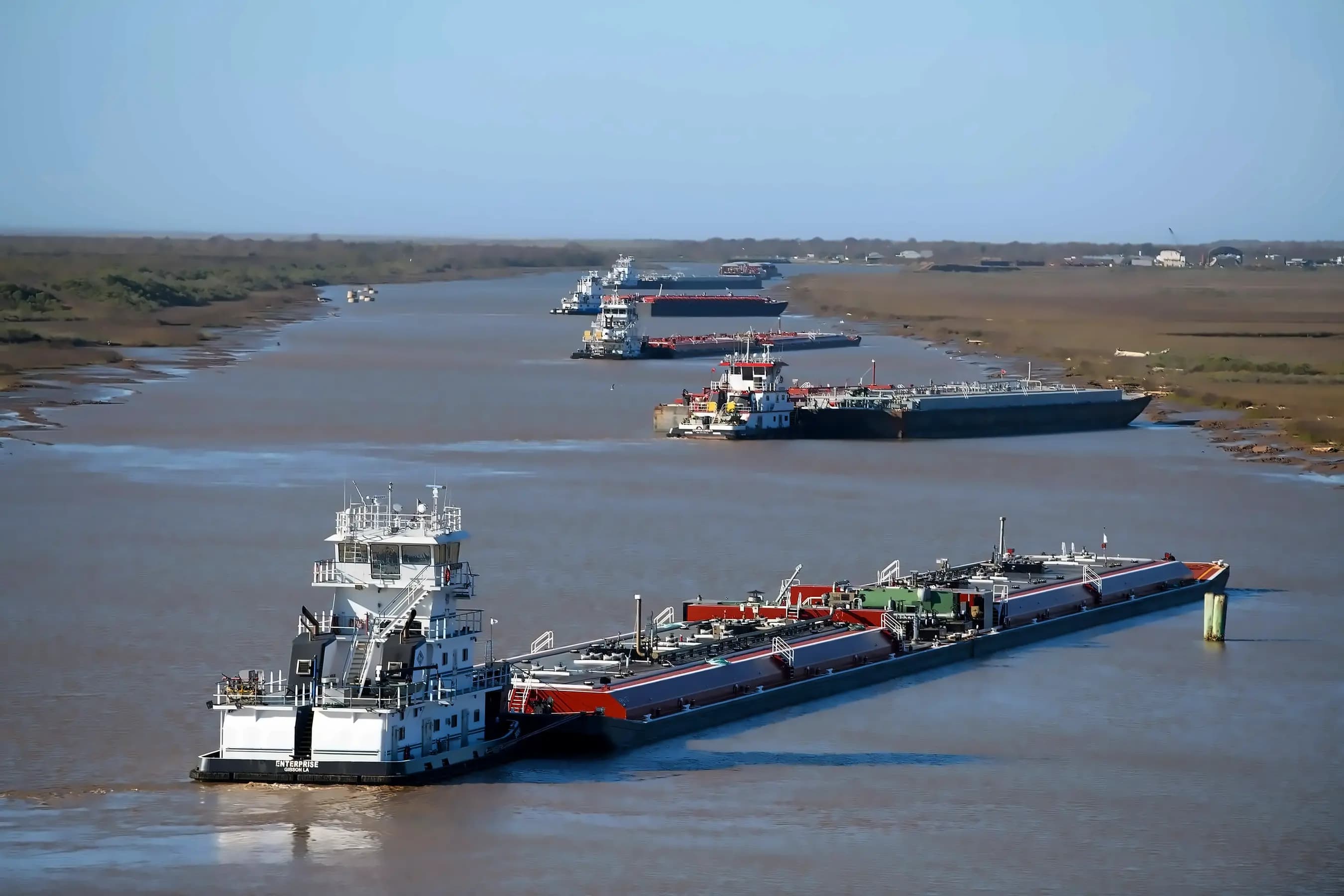
State-owned oil giant Saudi Aramco made even steeper cuts of $5 a barrel for the November OSPs of its heavier grades – Arab Medium and Arab Heavy – sold to Asia, according to Reuters. The sharp cuts appear aimed at compensating Asian buyers for elevated freight costs and protecting Saudi market share following disruptions caused by the US-Israeli war against Iran, according to three Asian refining sources. The cost of booking a Very Large Crude Carrier capable of hauling two million barrels of crude from the Persian Gulf to China on a time-charter basis touched $1.2 million a day on Friday (Oct 2), up from approximately $80,000 a day a year ago. One source noted that lower OSPs could additionally compensate buyers for longer voyages and loading delays for Saudi crude exported via the Egyptian port of Sidi Kerir, where cargo loadings have been delayed.
State oil company Saudi Aramco raised the November OSPs for northwest Europe by $3 a barrel across all grades after resuming exports from the Red Sea port of Yanbu. The company kept prices unchanged for buyers in the United States, as reported in the pricing document. According to Bloomberg, this $3 increase to Europe was part of the broader strategy to boost sales to the region.
The unexpected price cut is a signal the world's largest oil exporter may be trying to boost sales to Asia, along with other Persian Gulf producers, as reported by Bloomberg. The move comes as Persian Gulf producers race for market share with flows through the Strait of Hormuz increasing. Aramco has been exploring offering discounts for crude loaded off Oman to compensate buyers for record freight rates, as it sought to protect its market share after regional conflict impacted exports. The company's official pricing is for crude sold under long-term contracts to refiners who would normally collect those barrels at Ras Tanura inside the Persian Gulf.
Saudi Arabia and other OPEC members agreed on Sunday to maintain current oil production targets through November, with analysts expecting no significant policy adjustments until next year. The discount represents the widest margin since June 2020, pushing benchmark oil grades to a six-year low while shipping costs remain high in the Persian Gulf. JPMorgan Chase & Co. estimates that crude exports from the Middle East are at 98% of pre-war levels, with the kingdom having restored oil flows through the East-West pipeline to more than 80% of capacity.