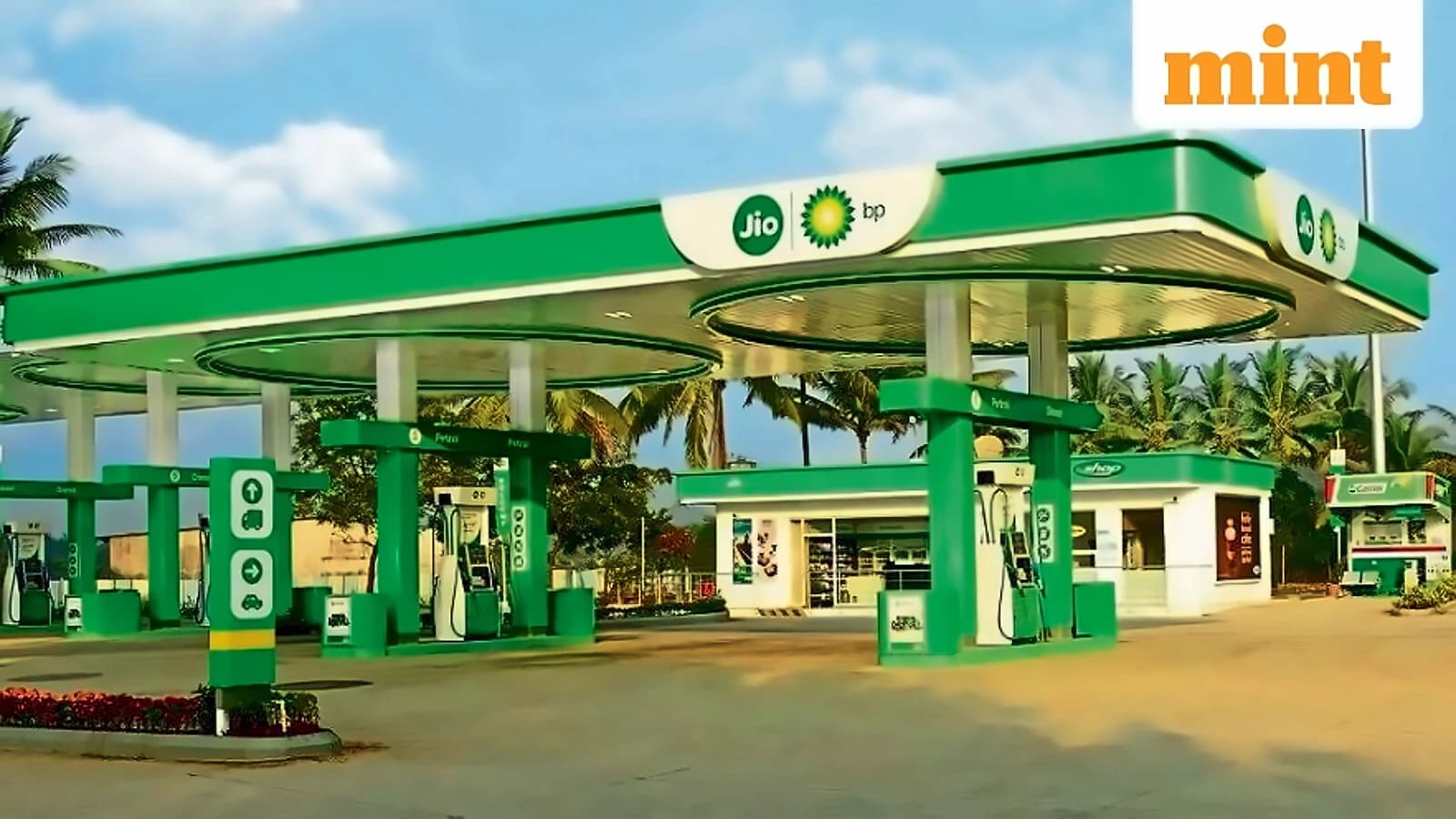
Reliance Industries Ltd-backed Jio-bp has implemented significant supply restrictions on diesel sales as the escalating West Asia war continues to disrupt global oil supplies. According to reports from Mint, the company has capped diesel sales at 50 litres per customer per transaction, with nozzles automatically stopping at that level. The joint venture with British energy major bp has also limited total daily diesel sales to 6,000 litres for each of its 2,000 fuel outlets across 21 states and Union Territories. As confirmed by multiple petroleum dealers, the company has directed retailers to restrict sales amid high global prices, with sales dropping significantly from the previous 11,000 litres per day. A Punjab-based retailer noted that while they have been able to surpass the daily limit when demand is high, sales have dropped substantially as the company previously sold around 11,000 litres daily.
The restrictions could significantly impact bulk users such as long-haul trucks, buses, and the farm sector that typically require larger fuel volumes. According to Mint, Jio-bp accounts for a fifth of India's around 10,000 private fuel retail pumps, while state-owned Indian Oil Corp. Ltd, Bharat Petroleum Corp. Ltd and Hindustan Petroleum Corp. Ltd have not imposed such restrictions. A Pune-based Jio-bp pump operator noted that sales are already down and fleet demand has disappeared, with the company previously offering competitive discounts on petrol and diesel to gain market share before the war began. The operator revealed that earlier marketing strategies required pump employees to ask customers if they wanted to fill their tank, but now the situation has reversed - if customers ask for a full tank, employees must tell them to buy less. At Nayara Energy outlets, customers can purchase between 70-200 litres in a single transaction, with the restrictions particularly affecting long-distance commercial vehicles and remote locations where fuel stations are relatively sparse.
Benchmark Brent crude oil prices have reached a critical threshold, crossing $117 per barrel on September 21, compared to an average of around $66 per barrel in 2025-26. As reported by Mint, this sharp increase has squeezed the margins of oil marketing companies significantly, with ICRA estimating losses of around ₹9 per litre on diesel and ₹8 per litre on petrol. The steep price surge has occurred as India's crude oil basket rose to $117.4 per barrel on September 21, while domestic petrol and diesel prices have not risen in line with the surge in international crude prices. The situation has been further complicated by Saudi Aramco's halt of crude supplies to Indian refiners following attacks on its East-West pipeline, forcing refiners to seek alternative crude sources potentially at higher prices.
Despite the restrictions at private fuel stations, the immediate impact remains limited as state-owned Indian Oil Corporation, Bharat Petroleum Corporation and Hindustan Petroleum Corporation operate around 90% of India's more than one lakh fuel stations. According to Mint, these three state-owned oil marketing companies have indicated they are continuing to sell fuel normally, meaning the measures at some private outlets do not currently constitute a nationwide diesel shortage. For consumers, the situation therefore remains different from a broad-based disruption in diesel supplies, though prolonged high crude prices and continued pressure on marketing margins could keep the spotlight on fuel availability and pricing, particularly for commercial transport operators and consumers in areas with fewer retail outlets.