With gold prices reaching record highs of $5,600 per ounce in January, the value of precious metal content inside vintage luxury watches is now outstripping their resale value. According to Reuters interviews with over a dozen traders, industry experts, and investment advisors, this arithmetic shift is sending mainstream luxury models, including those by Swatch-owned Omega and LVMH's TAG Heuer, to the scrap furnace. Gold now hovers around $4,200 per ounce, nearly double its 2024 average, while used-watch prices have not followed this bullion surge. The pressure is strongest on watches that are not rare enough to command collector premiums but contain enough gold to make dismantling profitable. As reported by Reuters, British dealer Jon White of Gold Traders melted down an 18-carat late-1970s Omega Constellation in excellent condition in May, which was worth £5,750 ($7,749) in gold content, representing a 35% premium over its estimated £4,000-4,500 pounds auction value. White noted that the customer would have achieved less at auction, stating "Beautiful watch. But in reality, had the customer consigned that to auction, what would they have achieved?"
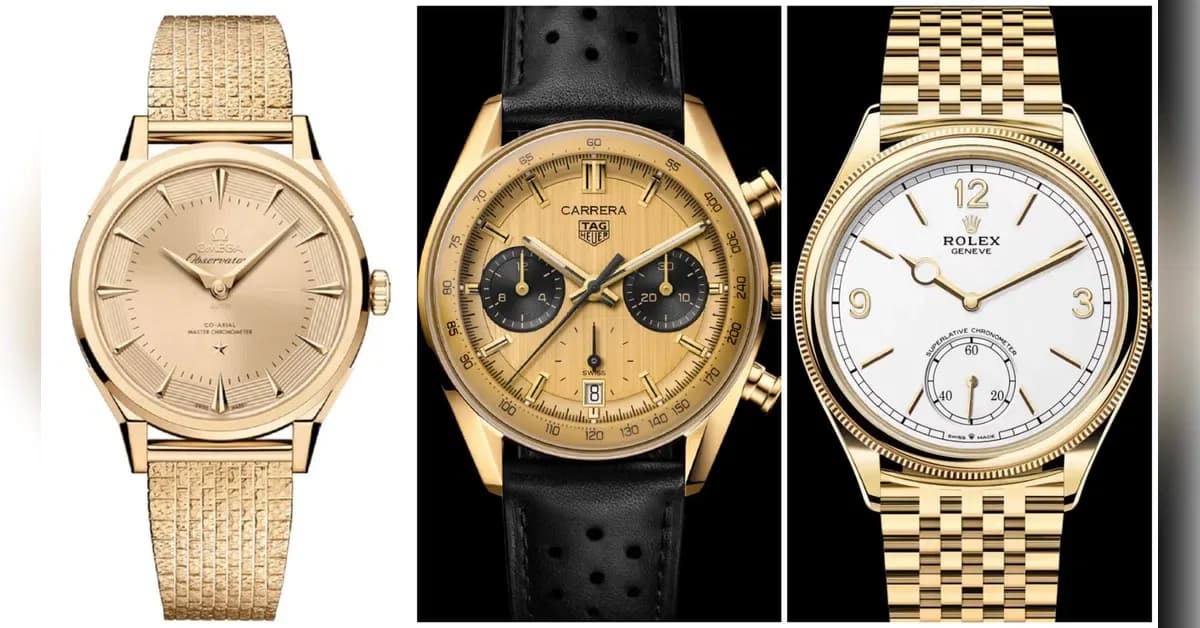
British dealer Jon White of Gold Traders melted down an 18-carat late-1970s Omega Constellation in excellent condition in May, which was worth £5,750 ($7,749) in gold content, representing a 35% premium over its estimated £4,000-4,500 pounds auction value. As reported by Reuters, White, who also manages an auction house, noted that the customer would have achieved less at auction. James Lamdin, founder of Watches of Switzerland's second-hand unit Analog Shift, confirmed that melting is primarily happening with contemporary pre-owned and older vintage watches that are not already collectible. The World Gold Council data shows overall gold recycling rose 5% to 366 tonnes in the first quarter, while gold jewellery demand increased 31% in value to $47 billion. Watches can hold anything from a sliver of gold to more than 200 grams, meaning their scrap value can run into tens of thousands of dollars. In an Omega Constellation, the gold can be found in the case and the strap. White said he had scrapped dozens of mainstream luxury watches this year as demand for investment gold increased.
Luxury watch fate depends on more than brand prestige, as watches can contain anything from a sliver of gold to over 200 grams, meaning scrap value can run into tens of thousands of dollars. According to Reuters, high-end brands like Patek Philippe and Rolex, which tightly manage new production, command the highest premiums over melt value. Rolex accounted for 61% of sales value of new Swiss watches priced above 3,000 Swiss francs last year, up from 57% in 2023 despite lower volumes, according to Vontobel. However, less exclusive brands such as TAG Heuer, Breitling, and Omega struggle to command high retail prices, with models like Omega's Speedmaster often depreciating sharply after sale, exposing them to scrapping. Simon Lazarus of Chrono Hunter noted that wait lists for some models are astronomical, with waiting periods from two to eight years. For some owners, the idea of selling a watch only for it to be melted by a dealer is too much to bear, as they may consider it a family piece or their first watch. The economics are different for watches from brands such as Rolex and Patek Philippe, as these companies tightly control production, helping their watches retain a substantial premium over the value of the gold they contain.
The pressure extends beyond vintage watches to new overstock in the Swiss market. As reported by Reuters, there is significant unsold overstock in the Swiss market, with traders reselling watches needing to cover costs and provide warranties. James Lamdin noted seeing mediocre watches get melted down, stating "There's a lot of unsold overstock in the Swiss market and those watches are basically brand new, unworn, and they're just getting stripped down... they made too many of them." Some new and unworn watches from excess Swiss stock are being dismantled because the watchmakers had simply made far more watches than what the market could absorb at the time. With gold expected to reach between $5,400 and $6,300 per ounce this year, the incentive to dismantle watches will continue. The distinction between vintage and rare pieces versus common watches is central to the resale trap, as a luxury timepiece can now be worth more for its metal than for its name, history or machinery. Industry analysts suggest that the pressure could continue if gold prices rise again, while watch specialists express concern about the destruction of historically significant pieces.