Oil prices have recovered from recent lows, holding near $80 per barrel as West Asia tensions ease following the US-Iran peace deal confirmation. According to The Times of India, WTI crude was trading at $81.12 per barrel, up 0.37 dollars or 0.46%, while Brent crude stood at $83.43 per barrel, up 0.26 dollars or 0.31% as of 7:15 am IST on Tuesday. The latest price movement reflects market stabilization after oil prices fell by nearly 5% on Monday, to their lowest close since March 4 after US President Donald Trump said the memorandum of understanding had been signed to end the conflict. Oil prices remain above the roughly 70 dollars per barrel seen before the war, but are lower than the more than 100 dollars per barrel recorded just a few weeks ago, as reported by The Times of India. US-Iran peace deal: Brent crude futures rose 47 cents, or 0.6%, to $79.43 per barrel, while US West Texas Intermediate (WTI) crude advanced 48 cents, or 0.6%, to $76.53 per barrel during early trading on Wednesday, 17 June, as investors evaluated the likelihood of the Iran conflict coming to an end and the reopening of the Strait of Hormuz.
A liquefied natural gas tanker stranded in the Persian Gulf for more than three months has started moving towards the Strait of Hormuz following the US-Iran peace deal announcement. According to ship-tracking data compiled by Bloomberg, the Disha, an LNG carrier on a long-term charter with an Indian state-owned importer, is moving into the eastern arm of Hormuz, toward the Gulf of Oman. The tanker picked up a shipment from Qatar's Ras Laffan facility around March 1, as reported by Bloomberg. European natural gas prices fell as much as 5.8% in early Asian trading on Monday, while oil prices also fell at the open, with Brent down almost 4%. The resumption of LNG traffic through Hormuz would help ease a supply crunch that had kept gas prices in Europe and Asia elevated since March. Shipowners are still working through the news and trying to understand the details of the agreement, with little observed traffic in and around the corridor in early Monday hours, as reported by Bloomberg.
US President Donald Trump and Iran's deputy foreign minister both confirmed that the two sides had struck a deal to end the conflict and restore commercial shipping through the strait. As per NDTV Profit, Trump wrote on the Truth Social platform on Sunday that "The Deal with the Islamic Republic of Iran is now complete," adding that the Strait of Hormuz would be open "toll-free" and that a US naval blockade of Iranian ports would also be lifted. The formal signing ceremony is scheduled for Friday, June 19, in Switzerland, with Pakistani PM Shahbaz Sharif confirming that the two nations would sign a memorandum of understanding there. Under the emerging terms, Washington has agreed to ease the sanctions that have long squeezed Iran's ability to sell its oil globally, a move aimed at helping Tehran rebuild its damaged economy. Iran confirmed the deal, although it does not represent a final agreement on issues including Iran's nuclear programme, as reported by The Times of India. The memorandum of understanding, which has not yet been made public, extends the fragile ceasefire announced in April by an additional 60 days, providing more time for negotiations aimed at securing a lasting peace agreement. As part of the arrangement, the US is expected to lift restrictions on Iran's ports, while Tehran would facilitate oil tanker movement through the Strait, which has been effectively disrupted since the US and Israeli strikes on February 28.
Global oil prices have experienced a significant decline, with Brent crude futures dropping 3.4% to settle at $87.3 per barrel and ending the week down 6.2%, as reported by NDTV Profit. This represents a notable reversal from the earlier surge above $94 per barrel following Iran's announcement of the closure of the Strait of Hormuz following fresh US military strikes. The latest recovery comes after a volatile week in which President Trump alternated between threatening fresh military action against Iran and suggesting that a diplomatic breakthrough was imminent. The decline reflects rising signs of flows through the Strait of Hormuz and progress towards a potential peace deal, providing some relief to global energy markets. WTI crude futures for July delivery dropped 4.77% to $80.83 a barrel, while Brent crude futures for August delivery fell about 4% to $83.77 a barrel, as reported by NDTV Profit. The war had choked the Strait of Hormuz, a crucial shipping route that typically carried one-fifth of the world's oil supply before the conflict, and resulted in around 14 million barrels per day of output being shut in, as reported by The Times of India.
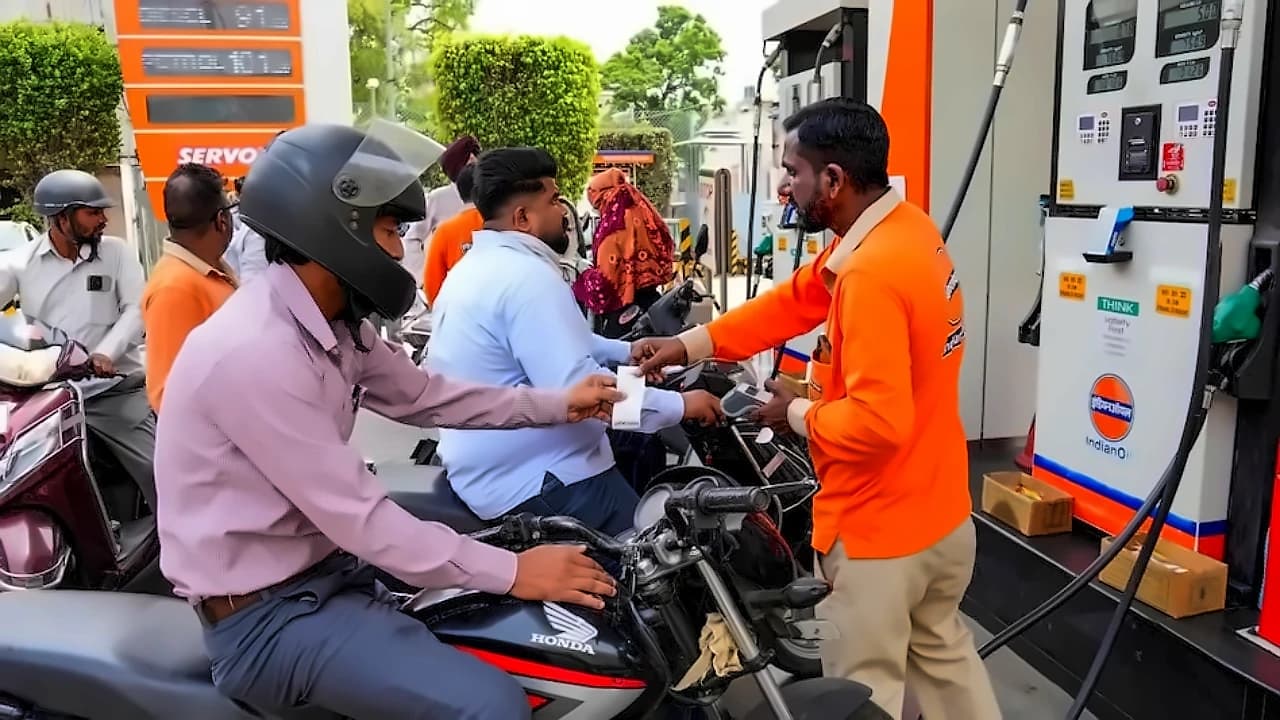
Fuel prices in India have remained unchanged on Monday, June 15, continuing the stability observed since the previous week. According to NDTV Profit, petrol and diesel prices have experienced four price hikes since the last month, with the latest increase of ₹2.6 per litre for petrol and ₹2.7 per litre for diesel announced the previous week. The current pricing reflects the ongoing impact of the US-Iran conflict on global oil markets, with prices having increased by ₹7.5-8 since the start of the war. For India, a major crude importer, the jump in oil prices is likely to keep investors on edge, particularly in fuel-sensitive sectors such as aviation, paints, chemicals and oil marketing companies. The government initially attempted to shield consumers by reducing excise duties on petrol and diesel by ₹10 per litre each on March 27, however, following state elections, petrol and diesel prices were increased by around ₹7.50 per litre, while CNG prices rose by ₹6 per kg. The decision to freeze fuel prices has provided consumers with some stability at a time when international oil markets have remained highly volatile, offering motorists a rare moment of stability even as global oil markets continue to react to developments in West Asia.
According to reports from NDTV Profit, state-owned oil firms continue to face significant financial pressure, incurring daily losses of ₹1,600-1,700 crore amid the ongoing crisis. The total losses have now exceeded ₹1 lakh crore in 10 weeks, reflecting the substantial impact of the US-Iran conflict on global oil prices and marketing companies' operations. However, industry estimates suggest OMCs are still losing around ₹650 crore every day even after recent price adjustments. The mounting losses highlight the severity of the current fuel pricing crisis affecting the oil marketing sector, with the latest crude oil price decline providing some temporary relief but not eliminating the underlying financial burden on these companies. LPG users were also affected, with cooking gas prices increasing by ₹89 per 14.2-kg cylinder in two instalments, while the government recently approved a ₹10,000 crore Aviation Turbine Fuel Price Stabilisation Fund to help airlines cope with elevated fuel costs. Markets responded positively to the peace deal, with shares in oil marketing companies, tyre manufacturers, paint makers and airlines all jumping as investors bet that cheaper crude would lower production costs across these industries. The decline has raised hopes that lower energy costs could ease pressure on households and businesses that have faced higher prices for essentials ranging from food and fuel to fertiliser because of the conflict with Iran, as reported by The Times of India.
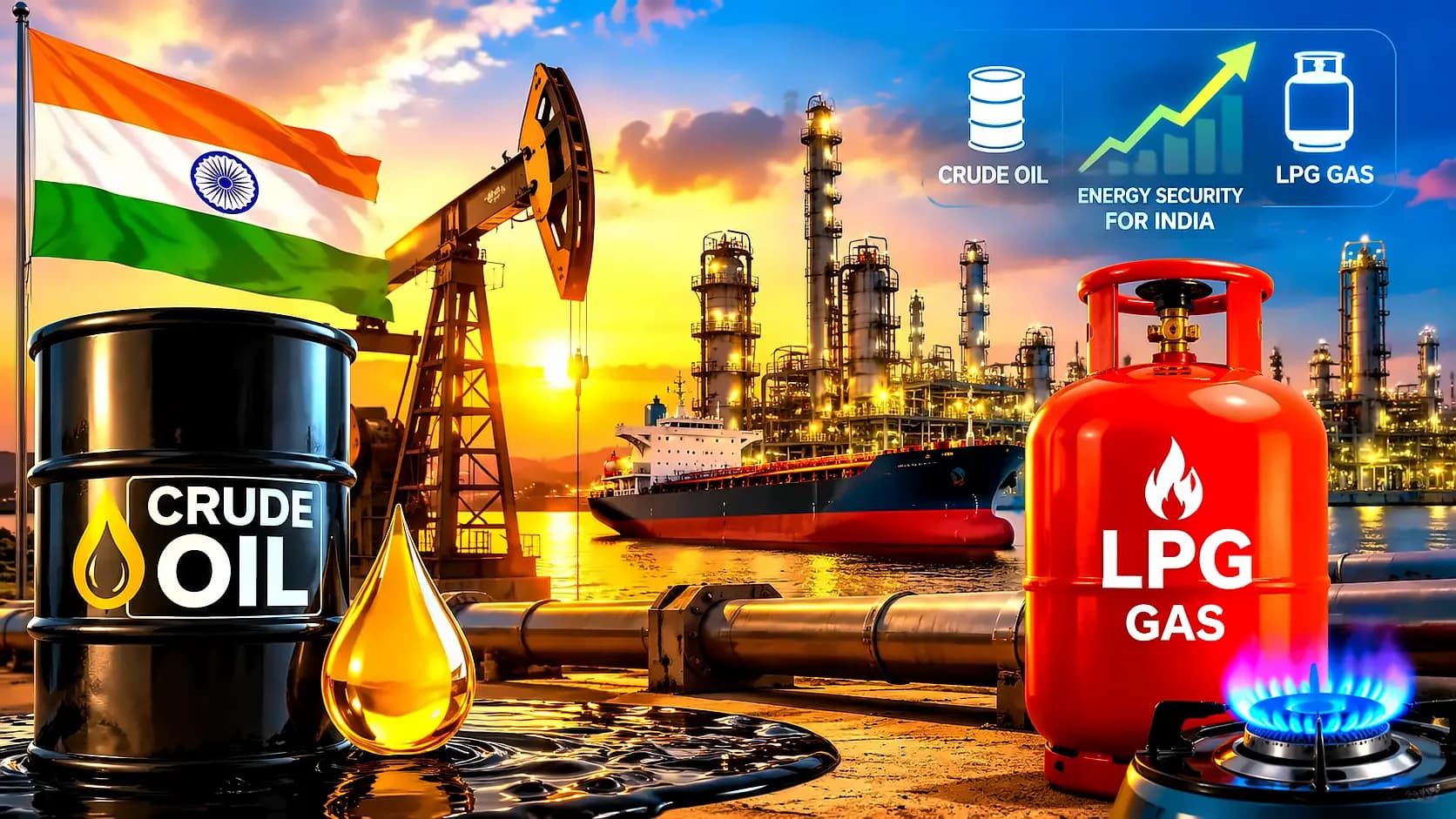
The potential reopening of the Strait of Hormuz, which handles roughly one-fifth of global oil consumption, could have substantial implications for India's energy security. Before the conflict, India imported more than 88% of its crude oil requirements, with roughly half of those supplies originating from Gulf countries whose exports pass through Hormuz. The country's dependence extended beyond crude oil, with India meeting around 60% of its LPG requirements through imports, with nearly 90% of those shipments transiting the strait. Additionally, India relied on imports for about half of its natural gas consumption, with approximately 65% sourced from suppliers such as Qatar and the UAE. For India, the most immediate gain from a Hormuz reopening would come through falling oil prices that directly lower its import bill and take pressure off the rupee. Cheaper oil also helps shrink the current account deficit, the gap between what India earns from exports and what it spends on imports. Over time, lower energy costs tend to bring down transportation and logistics expenses, which can ease the prices of everyday goods for ordinary consumers. The Strait's closure, which stretched for more than three months, triggered what analysts are calling the biggest oil supply disruption in recorded history, with crude prices surging to $125 a barrel at its peak as buyers scrambled to find alternative routes. However, industry experts caution that restoring oil production and refining operations to pre-conflict levels could take anywhere from several weeks to years, and Israel has kept its distance from both the April ceasefire and the latest US-Iran accord, raising concerns over the durability of the new truce.