Oil prices remained above $100 per barrel in Asian trading Monday as the Iran-US conflict dragged on and Houthi attacks on Saudi Arabia added to concerns over energy supplies. Brent crude slipped 0.2% to $103.68 a barrel and US crude fell 0.3% to $100.02, according to latest reports. The decline extends a four-session retreat from recent highs as recovering Saudi crude exports and hopes for renewed US-Iran diplomacy eased fears of an immediate Middle East supply crunch. Saudi Arabia has increased shipments through the Strait of Hormuz to compensate for disruptions to its East-West pipeline following Houthi attacks, with Saudi crude flows averaging roughly 2.9 million b/d over the past 6 days, compared with about 700,000 b/d in August, according to satellite data cited by JPMorgan analysts. US Central Command Commander Admiral Brad Cooper confirmed on September 19 that oil and LNG shipments through the Strait of Hormuz in the past 2 weeks reached the highest level in 6 months due to US naval escorts and mine-clearance efforts.
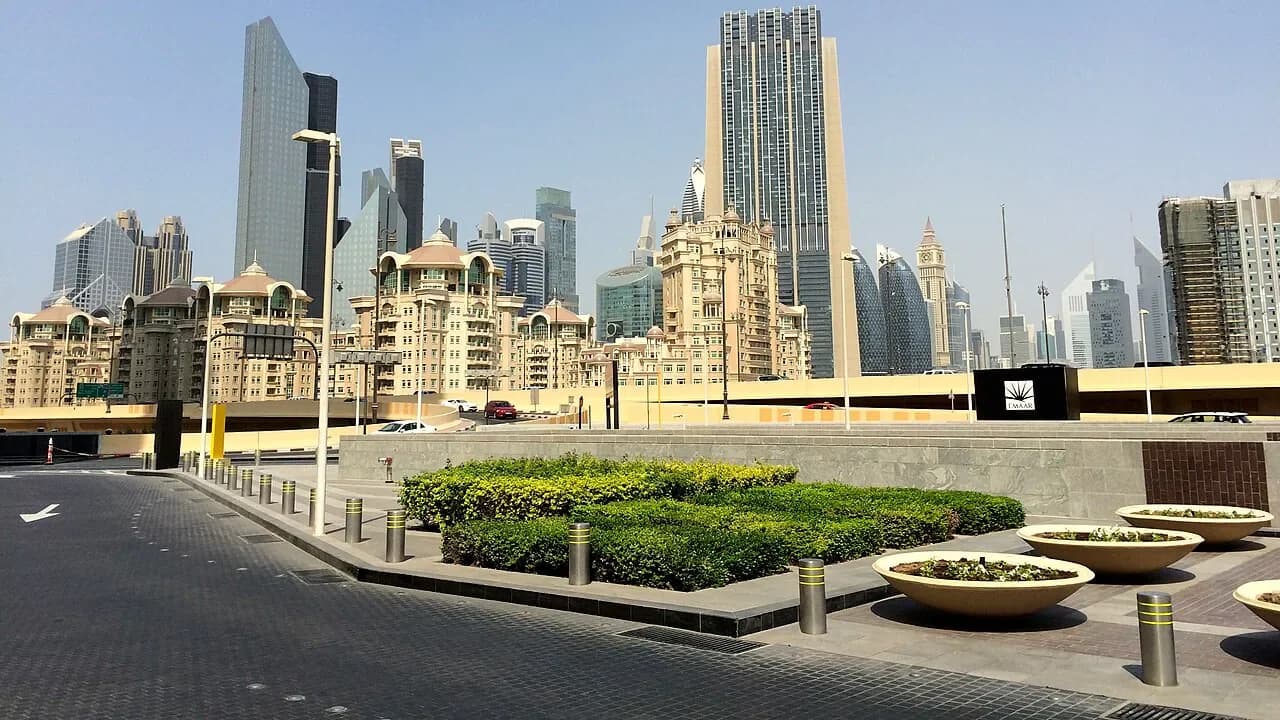
Gulf equities experienced a mixed trading session on Monday as investors grappled with conflicting geopolitical developments. According to reports from [source], the Abu Dhabi index declined 1.6%, leading the regional decline. Meanwhile, Dubai's benchmark managed a modest 0.1% gain, supported by selective stock movements. The market decline occurred despite positive developments in US-Iran relations, with investors weighing the worsening Middle East conflict against tentative signs of diplomatic engagement between Washington and Tehran. The regional weakness contrasted sharply with international developments, as Wall Street soared on hopes of backchannel US-Iran talks.
The Abu Dhabi market faced significant pressure from individual stock declines. International Holding Company shares tumbled 4.6%, leading the sectoral decline and contributing substantially to the overall index weakness. The company has confirmed a corporate restructuring under which Fount Trust will become the ultimate parent of Royal Group for long-term stewardship. In contrast, Emirates NBD shares gained 1.3%, providing some support to Dubai's benchmark performance. Saudi Arabia's benchmark index declined 0.6%, weighed down by a 3.4% fall in ACWA Power and a 0.9% decline in Saudi Aramco.
The Strait of Hormuz remains a critical flashpoint as Iranian officials continue to assert control over the strategic waterway. A tanker was struck by an unknown projectile while entering the Strait of Hormuz on Monday, according to the United Kingdom Maritime Trade Operations centre. Two crew members suffered minor injuries, but the vessel remained operational and continued towards its next port under its own power with no environmental impact reported. The attack underlines the continuing risks around Hormuz even as some commercial vessels have resumed moving through the waterway. US Central Command said its forces had redirected 109 commercial vessels to ensure compliance by September 20, while a separate maritime security update from the UKMTO-linked Joint Maritime Information Center recorded four tankers involved in attacks or suspicious activity near the Strait over the past week. Visible commercial traffic through the Strait of Hormuz remains far below pre-war levels, with a total of 17 commodity vessels crossing the strait over the weekend, down from 37 the previous weekend.
UAE air travel remains operational but uneven, with selected regional services delayed or cancelled. The latest Gulf News flight tracker shows Etihad largely maintaining services to Bahrain, Kuwait and several Saudi destinations, although some flights face delays. Emirates has Bahrain and Kuwait services scheduled, while flydubai and Air Arabia have selected cancellations involving Bahrain, Kuwait and Saudi Arabia. Several international airlines also continue to suspend or restrict UAE services as they gradually reassess regional operations. Diplomatic attention will increasingly shift towards New York, where US President Donald Trump has expressed a willingness to meet with Iranian President Masoud Pezeshkian during the UN General Assembly, while Iran has reportedly conveyed conditions for resuming negotiations through mediators. Expectations that talks could eventually reduce regional tensions have removed some of the geopolitical risk premium that pushed crude prices higher earlier this month.