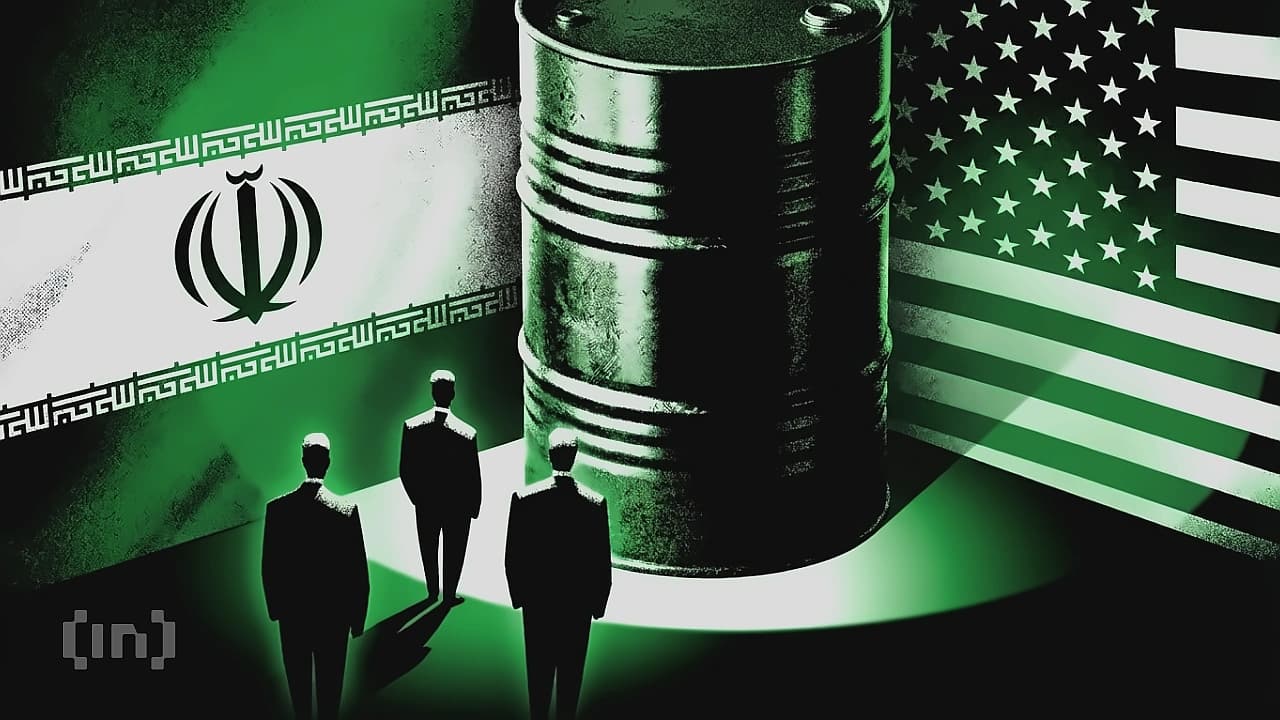
Gold prices rose 0.9% to $4,090.79 per ounce on Monday as the pause in US-Iran hostilities sent crude oil to a week-low, easing inflation fears ahead of this week's US rate decision. US Gold Futures for August Delivery also gained 0.5%, reaching $4,093.00, while the US Dollar Index weakened by 0.1%, making greenback bullion more affordable to buyers abroad. According to TD Securities global head of commodity strategies Bart Melek, the main reason for the lower interest rates is because the oil market has fallen from $100 to $90 in the last week. Brent futures dropped 8% to a new one-week low after President Trump said "good talks" are taking place with Iran "right now." After two weeks of strikes, the US paused its attacks over the weekend, raising hopes for a diplomatic solution to deescalate the conflict and restore shipping in the Strait of Hormuz.
Oil prices reversed course dramatically from last week's surge, with Brent crude dropping 5% to trade below $84 a barrel after President Trump said "good talks" are taking place with Iran. WTI crude also hit a one-week low as investors unwound the geopolitical risk premium built into prices during the recent escalation in hostilities between Washington and Tehran. Brent crude futures fell to their lowest level since July 20, while the sell-off followed the U.S. decision over the weekend to pause air strikes against Iran, raising hopes that diplomacy could avert a broader conflict. On Tuesday morning, October Brent oil futures were at $84.85, down by 1.19%, and September crude oil futures on WTI were at $81.55, down by 1.28%. August crude oil futures were trading at ₹7,824 on Multi Commodity Exchange (MCX) against the previous close of ₹7,957, down by 1.67%, while September futures were trading at ₹7,657 against the previous close of ₹7,743, down by 1.11%. The war between the US and Iran has sharply curtailed and at times halted traffic through the vital Strait of Hormuz, creating ripple effects throughout the world's economy.

Stocks on Wall Street drifted to a mixed close Monday as oil prices fell after the US and Iran paused their attacks while work resumed on restarting negotiations to end the war. The S&P 500 rose less than 0.1% to 7,413.18 after spending much of the day bouncing between small gains and losses, coming off two weekly losses in a row. The Dow Jones Industrial Average gained 262.83 points to 52,210.08, while the Nasdaq composite fell 43.74 points to 24,932.08, marking its fourth straight loss. The three major stock indexes are on pace to close out this month in the red, with it being the second straight monthly loss for the S&P 500 and Nasdaq. Technology companies were behind much of the shifts in the market, with gains and declines for a mix of big companies resulting in uncertain trading. Bond yields fell, with the yield on the 10-year Treasury falling to 4.65% from 4.69% late Friday.
CME FedWatch data shows that 66% of traders expect policymakers to keep interest rates the same, with markets pricing in an 80% probability of a rate increase in the US in September. Fed funds futures traders currently price in 38% odds that a hike will occur on Wednesday, and 83% of an increase occurring by September. Recent increases in oil prices had rekindled inflation fears, but lower energy prices reduce inflation fears and lower bets on higher interest rates for longer. Gold is often seen as a hedge to inflation, but higher interest rates can be detrimental to the metal. Fed Chairman Kevin Warsh's preference for less guidance adds to the uncertainty about whether central banks will raise rates. The Bank of England is expected to announce its policy on Thursday, followed by the Bank of Japan's announcement on Friday, both expected to keep rates unchanged while indicating continued caution regarding inflation risks.