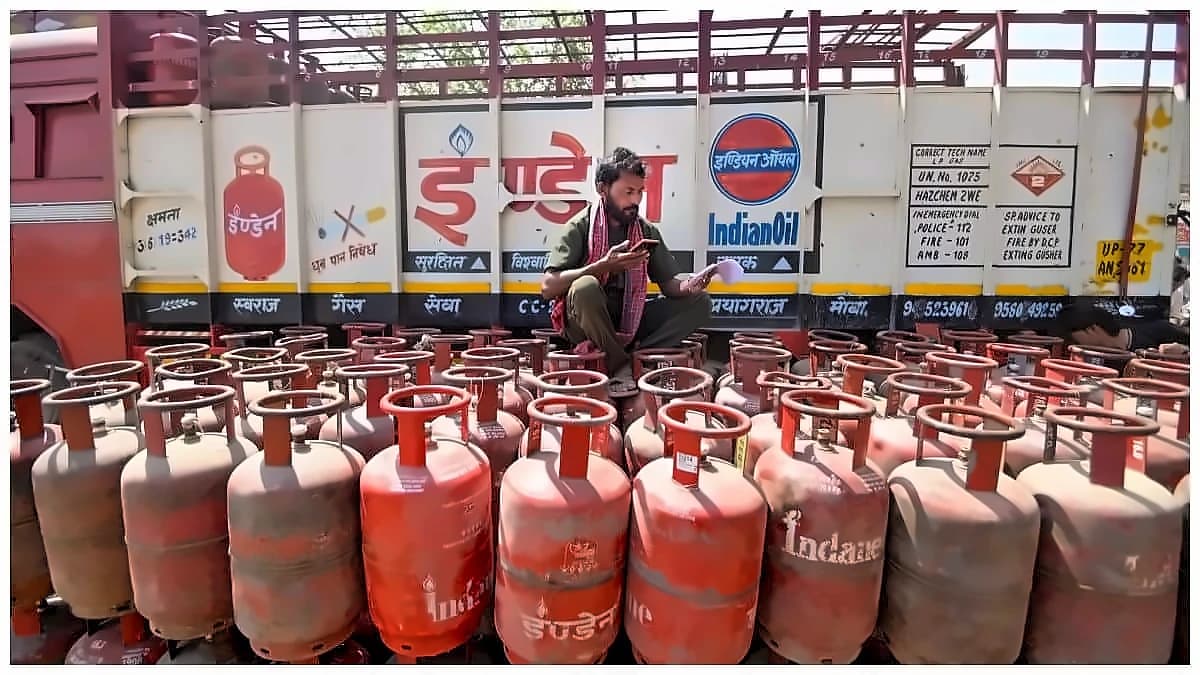
Domestic LPG prices have been increased by ₹29 per cylinder, marking the second hike in less than three months as state-owned fuel retailers continue to face pressure from elevated global energy prices. According to the Ministry of Petroleum and Natural Gas, the price of a standard 14.2-kg liquefied petroleum gas (LPG) cylinder in Delhi will rise from ₹913 to ₹942 with effect from June 7. This represents a significant shift from the prolonged period of price stability that LPG consumers have experienced, with the latest revision coming after a ₹60-per-cylinder increase implemented on March 7 when geopolitical tensions and conflict in West Asia disrupted energy supplies and pushed up international fuel prices. The increase only partially compensates for the losses incurred on the sale of domestic LPG, as state-run oil marketing companies continue to lose around ₹700 on every LPG cylinder sold despite the recent revision. LPG prices have now reached ₹942 in Delhi, with Kolkata at ₹968, Mumbai at ₹941.40, Bengaluru at ₹944.50, Chennai at ₹957.50, Hyderabad at ₹996, Lucknow at ₹980, Jaipur at ₹945.50, and Patna recorded the steepest increase at ₹1031.50 per cylinder, while Patna recorded the steepest increase at ₹1031.50 per cylinder. The government announced this latest LPG price hike because of the escalating tensions in West Asia and growing fears of supply disruptions in the Middle East, with the increase applying to domestic cooking gas cylinders across major cities while commercial LPG cylinder prices have remained unchanged.
The government has curtailed the number of subsidised LPG cylinder refills available under the Pradhan Mantri Ujjwala Yojana (PMUY), reducing the benefit from nine refills a year to four, as rising global fuel prices continue to increase the cost of supplying cooking gas. According to PTI, the Centre has reduced the number of subsidised LPG cylinders available annually under the Pradhan Mantri Ujjwala Yojana (PMUY) from nine to four, while retaining the subsidy at ₹300 per 14.2-kg cylinder. With the latest revision, PMUY beneficiaries will receive the ₹300 subsidy on only the first four refills in a year, translating into an annual benefit of ₹1,200 per household. Under the revised rules, eligible beneficiaries will continue to get subsidy benefits but only on the first four LPG cylinder refills they purchase during a financial year. Any additional cylinders purchased over and above the said cap will be sold at the usual market price in the absence of subsidy support. The Pradhan Mantri Ujjwala Yojana, launched in May 2016, initially provided beneficiaries with subsidy support on up to 12 LPG cylinders annually, with the entitlement being reduced to nine cylinders in 2025 and now lowered further to four. Any household can buy as many cylinders as it needs at ₹942, with PMUY beneficiaries receiving direct benefit transfer of ₹300 per cylinder on the first four refills each year, making their effective price ₹642 on those refills. Retail prices differ marginally across locations on account of distribution costs, with the ministry stating that "What the household does not bear the brunt of is the several hundred rupees a cylinder which the Government is bearing. Through a period of sharp international cost increases, that burden has been absorbed upstream rather than passed to the consumer."
Union Petroleum and Natural Gas Minister Hardeep Singh Puri has defended the government's decision to reduce subsidised LPG cylinders under the Pradhan Mantri Ujjwala Yojana, citing widespread misuse of the scheme by beneficiaries. According to IANS, Puri stated that "Since this morning, there has been a lot of discussion that we have reduced the number of Ujjwala cylinders from nine to four. But if you do not need more than four cylinders, why would you need more? Why did we do this?" He argued that if a household does not require more than four cylinders a year, there is little justification for providing additional subsidised refills. "We did it because we received credible information that many of our Ujjwala beneficiaries did not actually need the cylinders. They were taking the Rs 300 cylinder and either selling it for commercial use, diverting it, or giving it to someone else for Rs 300 more," Puri told IANS. The minister indicated that the government took the decision after assessing the utilisation pattern of the scheme and identifying instances of misuse. The Pradhan Mantri Ujjwala Yojana was launched to provide clean cooking fuel to economically weaker households by offering LPG connections and subsidised refills, making the misuse particularly concerning for the government's welfare objectives.
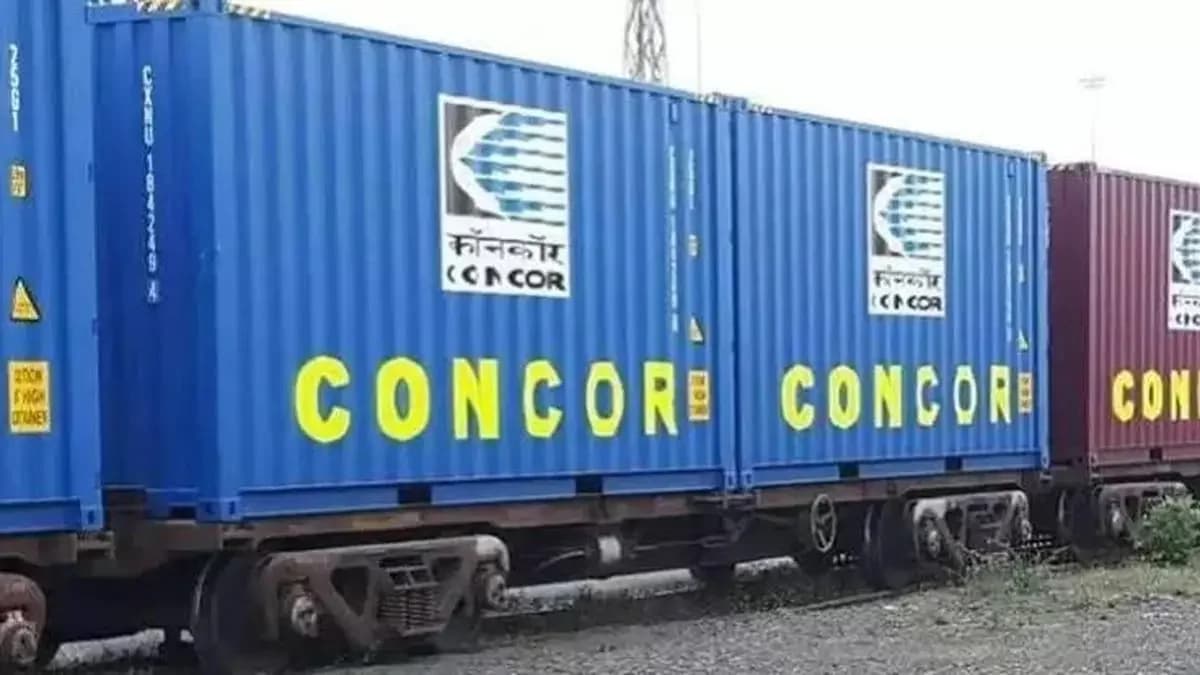
The Middle East crisis has severely impacted Indian Railways' catering operations, with a sharp shortage of commercial LPG cylinders forcing the Indian Railway Catering and Tourism Corporation (IRCTC) to restart onboard meal preparation in moving trains. The practice had been discontinued several years ago, but cooking is now being carried out using electric induction stoves to maintain catering services across 1,400 trains serving around 1.7 million meals daily. According to The Times of India, the shortage emerged after disruptions to energy supplies moving through the Strait of Hormuz, a critical route for oil and gas exports from West Asia, following the outbreak of the US-Israel conflict with Iran on February 28. To maintain catering services, IRCTC has begun preparing food inside Linke Hofmann Busch (LHB) pantry cars using electricity, with induction-based cooking facilities also installed at major railway stations. Most premium services, including Rajdhani, Shatabdi, Duronto and Vande Bharat trains, operate with LHB coaches, making them capable of preparing meals onboard while trains are in motion using electric power. Railway officials said the nationwide catering network requires about 1,000 commercial LPG cylinders every day to run cluster kitchens, base kitchens and other food service facilities. In response to the shortage, IRCTC had directed operators of food plazas, refreshment rooms and Jan Ahaar outlets at railway stations to adopt induction cooktops and microwave ovens, with nearly 60% of food preparation in railway kitchens gradually shifting to electricity-based cooking. IRCTC Chairman and Managing Director Sanjay Kumar Jain told ET that vendors have been permitted to cook inside pantry cars, which are already equipped with safety infrastructure, while IRCTC has coordinated with Indian Oil Corporation (IOCL), Bharat Petroleum Corporation (BPCL) and Hindustan Petroleum Corporation (HPCL) to ensure priority supply. The LPG crunch has also squeezed IRCTC's earnings, with the catering business posting an operating margin of 6.3% in the fourth quarter of 2025-26, down from 10.4% in the same period a year earlier, as rising input costs were the primary reason cited.
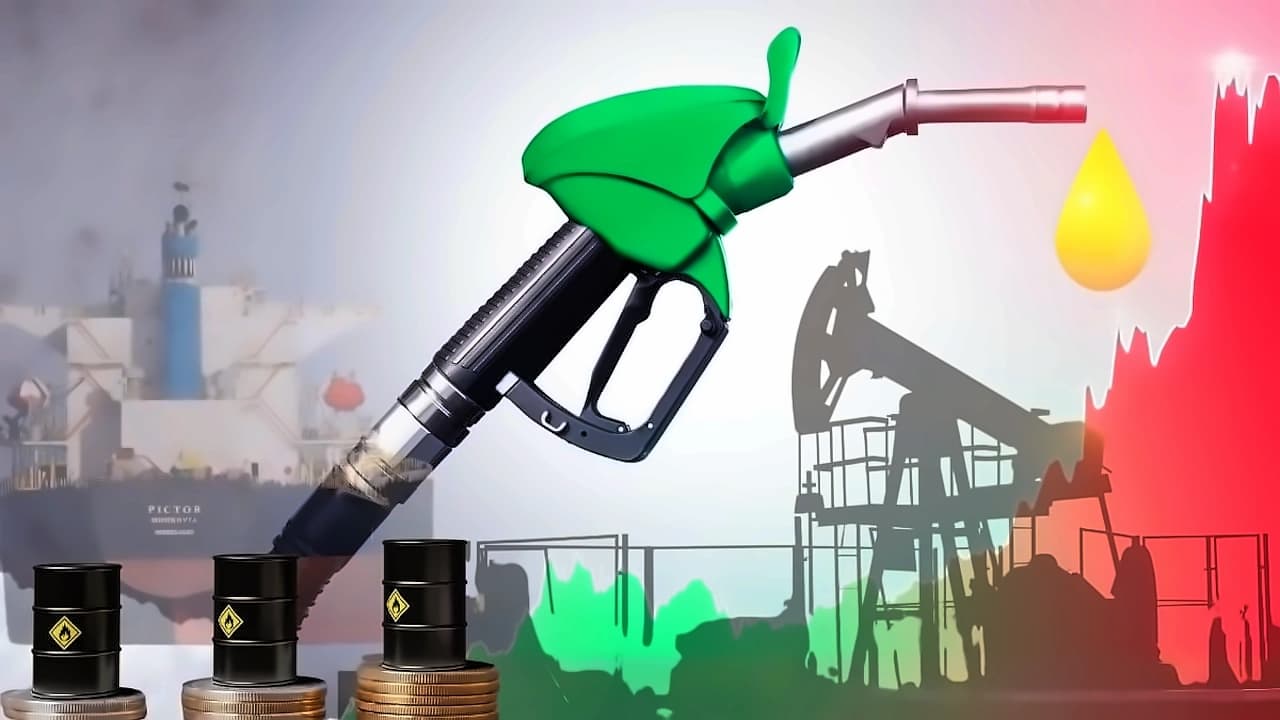
India's heavy dependence on imported cooking gas has made its kitchens tightly linked to geopolitical events thousands of kilometres away. India imports about 60% of its LPG needs, with nearly 90% of that imported gas used to arrive through the Strait of Hormuz before the current crisis, according to data from the PIB. The fallout from the US-Israel and Iran war has choked those supply lines, creating swift and wide-ranging impacts on the country's energy infrastructure. The Saudi Contract Price (CP), the benchmark price for LPG set by Saudi Arabia, has risen by about 46% since the beginning of the conflict as the Hormuz disruption tightened Gulf supply. The actual cost of an LPG cylinder for the OMCs has risen to ₹1,600 per 14.2 kg cylinder, while a domestic LPG cylinder costs ₹942 in Delhi and ₹642 for a PMUY beneficiary. The oil firms are incurring under-recovery of ₹700 per 14.2 kg liquefied petroleum gas (LPG) cylinder, while daily losses stand at around ₹600 crore-700 crore, said Praveen Mal Khanooja, Additional Secretary at Ministry of Petroleum and Natural Gas (MoPNG) in a press briefing. The Centre had provided about ₹52,000 crore to OMCs across FY23 and FY24 to offset such losses, with the current under-recovery borne by OMCs being around ₹700 per 14.2-kg LPG cylinder, comparable to earlier periods when the government compensated the companies through budgetary support. Apart from LPG, oil companies increased petrol and diesel prices by around ₹7.50 per litre each through four revisions last month, while Compressed Natural Gas (CNG) prices have also been raised by ₹6 per kg.
Despite the reduction in subsidised refill entitlement, PMUY beneficiaries continue to receive substantial support beyond the direct subsidy, as highlighted by Praveen Mal Khanooja, Additional Secretary in the Ministry of Petroleum and Natural Gas. According to PTI, "Whether I'm a Ujjwala customer or a non-Ujjwala customer, I'm getting a cylinder which should have cost ₹1,600. At ₹942, even if I'm a non-Ujjwala customer. Now in that case, that is also an indirect subsidy to customers. Now over and above that, Ujjwala customers get ₹300 more. So overall, they are getting ₹1,000. The non-Ujjwala consumers are also getting ₹700 a cylinder," he stated. The government introduced a targeted subsidy of ₹200 per 14.2-kg LPG cylinder for PMUY beneficiaries in May 2022, covering up to 12 refills annually, with the subsidy being increased to ₹300 per cylinder while retaining the 12-refill cap in October 2023. In August 2025, the eligible subsidised refills were reduced to nine per year, with the subsidy amount unchanged. The PMUY, launched in May 2016, aims at providing clean cooking fuel to women from poor households and has grown to be one of the biggest welfare schemes of the government, providing LPG connections to over 10 crore beneficiaries across the country. Any household can buy as many cylinders as it needs at ₹942, with PMUY beneficiaries receiving direct benefit transfer of ₹300 per cylinder on the first four refills each year, making their effective price ₹642 on those refills. The commercial cylinder used by hotels and businesses is revised automatically every month, because its price is a direct pass-through of the international benchmark, selling in Delhi at ₹3,113.50, about ₹164 a kg, after five increases during the West Asia crisis, compared to the domestic household price of about ₹66 a kg after the revision. The government has spent approximately ₹52,000 crore on LPG subsidies since 2022, highlighting the scale of financial support extended to consumers.
Despite the recent price increases and subsidy cuts, Indian households continue to pay among the lowest cooking gas prices globally, according to the Ministry of Petroleum and Natural Gas. A beneficiary of the Pradhan Mantri Ujjwala Yojana (PMUY) pays an effective ₹642 for a 14.2 kg cylinder, while the general consumer in Delhi pays ₹942, against a cost to supply that has now risen to over ₹1,600. The ministry noted that any household can buy as many cylinders as it needs at ₹942, with PMUY beneficiaries receiving direct benefit transfer of ₹300 per cylinder on the first four refills each year, making their effective price ₹642 on those refills. Even non-PMUY households would pay about ₹700 below the market-linked cost of the cylinder. Retail prices differ marginally across locations on account of distribution costs, with the ministry stating that "What the household does not bear the brunt of is the several hundred rupees a cylinder which the Government is bearing. Through a period of sharp international cost increases, that burden has been absorbed upstream rather than passed to the consumer." The government continues to modulate the effective price to the consumer for domestic LPG, with the under-recovery now absorbed on each domestic cylinder being about ₹700. The under-recovery, the gap between the international cost of the molecule and the regulated retail price, is absorbed by the public sector OMCs and compensated in part by the exchequer. The price per 14.2 kg cylinder in India (Ujjwala, effective after revision) stands at ₹642, while the price of a 14.2 kg cylinder comes to ₹1046 in Pakistan, ₹1207 in Nepal, about ₹1,225 in Bangladesh, ₹1241 in Sri Lanka and about ₹1,755 in the United States, ₹1,765 in Australia and ₹2,411 in Canada. The effective Ujjwala price of the first 4 cylinders at ₹642 is at a discount of about 60% to the actual international price of an LPG cylinder, while the non-PMUY price of ₹942 is at a discount of about 45% to the international price. The commercial cylinder used by hotels and businesses is revised automatically every month, because its price is a direct pass-through of the international benchmark, selling in Delhi at ₹3,113.50, about ₹164 a kg, after five increases during the West Asia crisis, compared to the domestic household price of about ₹66 a kg after the revision. The revised quota of four subsidised cylinders annually closely reflects the average annual consumption among Ujjwala households, as announced by Praveen Mal Khanooja, Additional Secretary in the Ministry of Petroleum and Natural Gas. India, the world's third-largest oil importer and consumer, imports more than half of its LPG requirements, with the country's import costs linked to the Saudi Contract Price, a benchmark for LPG traded in Asia. According to the ministry, the benchmark has risen about 46% since February after disruptions linked to conflict in West Asia tightened supplies from the Gulf region.