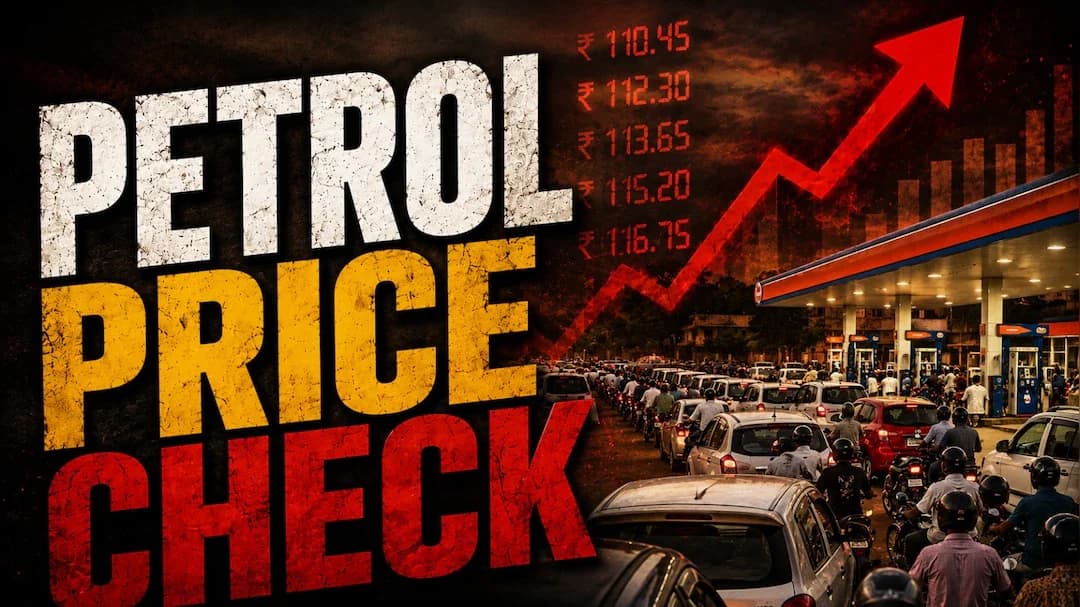
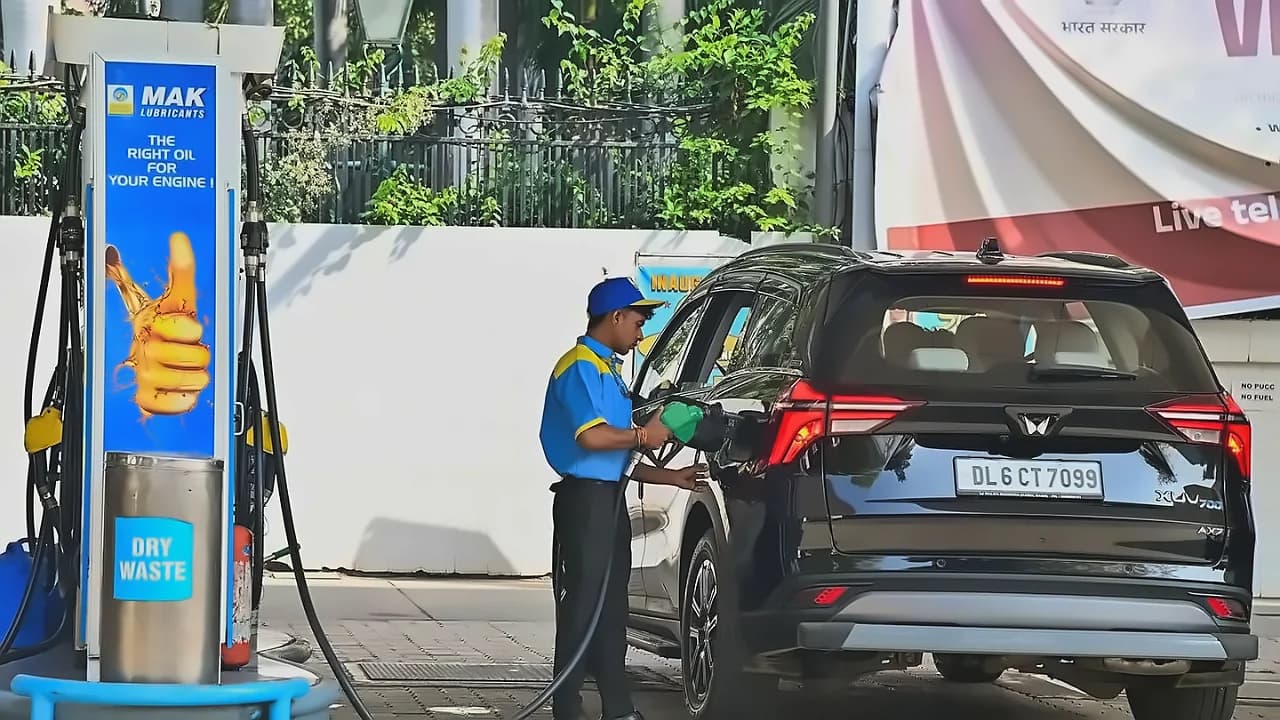
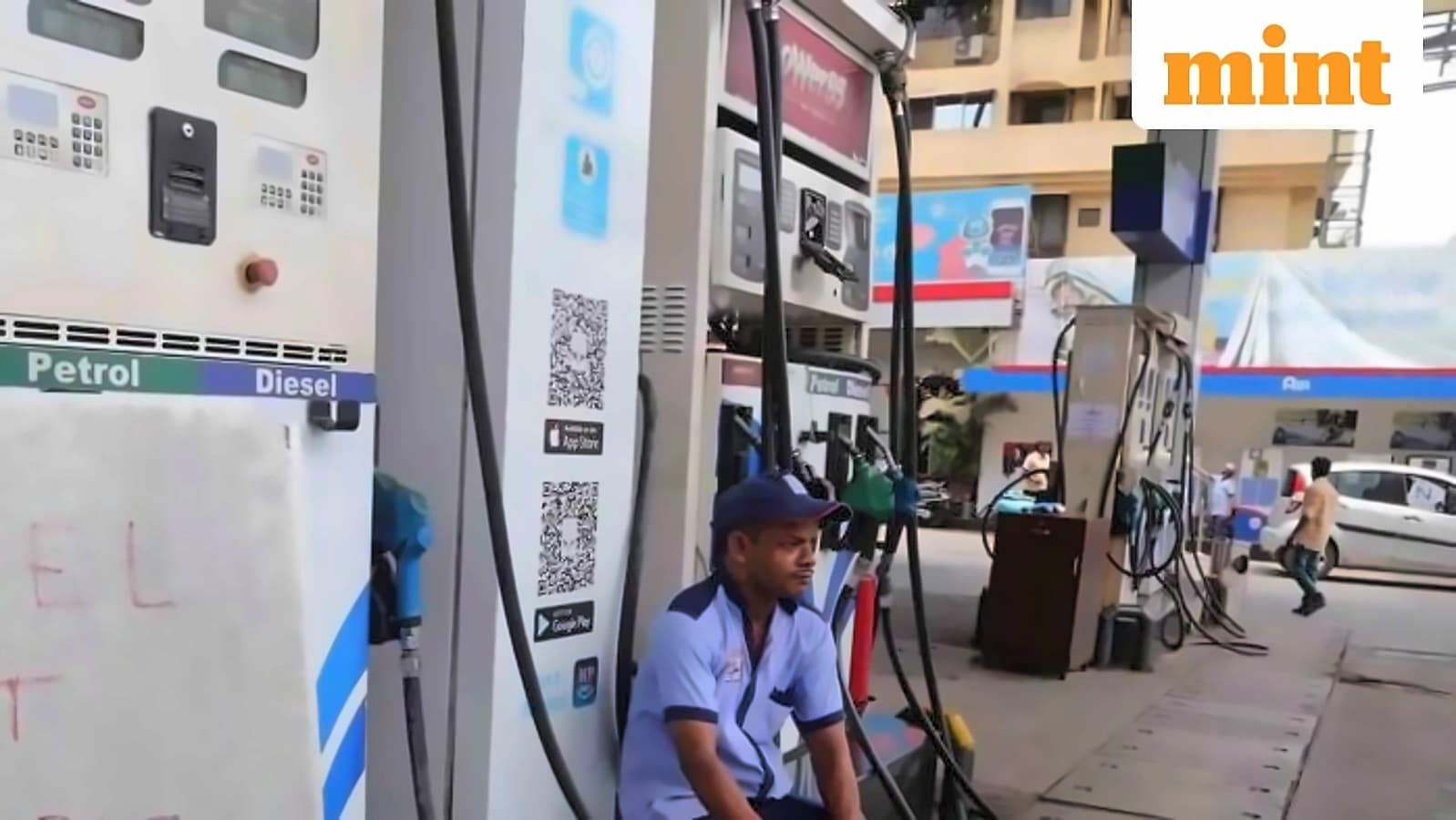
Petrol and diesel prices were increased by 90 paise per litre on Tuesday, marking the second increase in less than a week. According to reports from PTI, petrol price was hiked to ₹98.64 per litre from ₹97.77 per litre in the national capital, while diesel now costs ₹91.58 per litre against ₹90.67 previously. This follows a ₹3 per litre increase implemented on Friday, demonstrating the rapid pace of fuel price adjustments. The latest hike brings total price increases to nearly ₹12 per litre within just over a week, reflecting the accelerated pace of fuel pricing adjustments. As per The Times of India, the latest revision comes days after fuel prices were raised by ₹3 per litre on Friday amid rising global crude oil prices linked to the ongoing West Asia conflict and disruptions around the Strait of Hormuz.
The price increases varied significantly across major Indian cities. In Delhi, petrol now retails at ₹98.64 per litre, up by 87 paise, while diesel is priced at ₹91.58 per litre, higher by 91 paise. Mumbai saw petrol rise by 91 paise to ₹107.59 per litre and diesel by 94 paise to ₹94.08 per litre. Kolkata recorded the steepest hike in petrol at ₹109.70 per litre, while diesel prices rose by ₹96.07 per litre. Chennai witnessed petrol prices rise by ₹104.49 per litre and diesel by ₹96.11 per litre. The latest increase marks the second upward revision in fuel prices within a span of five days, as retail fuel prices had largely remained unchanged since April 2022, except for a one-time ₹2 per litre cut in March 2024 ahead of the Lok Sabha elections.
The price increases have provided significant relief to public sector oil marketing companies, which were facing substantial financial losses. According to Business Standard, the ₹3 per litre hike on Friday reduced the combined daily losses of the three OMCs—Indian Oil, Bharat Petroleum, and Hindustan Petroleum—by approximately ₹250 crore. Following the latest hike, OMCs' under-recovery on the sale of petrol, diesel, and LPG cylinders reduced by 25 per cent to ₹750 crore per day, from ₹1,000 crore per day, as reported by a senior government official on Monday. However, analysts suggest further price adjustments may be necessary. Harshraj Aggarwal, lead analyst at Yes Securities Ltd, noted that "this still does not cover the gross marketing losses on both petrol and diesel with some additional burden of currency depreciation. We believe more price hikes are expected in coming weeks as higher price increase at a single go would not be possible." The government had reduced excise duty on petrol and diesel by ₹10 per litre in late March in a bid to provide relief to consumers and support OMCs, though this was not enough to significantly reduce losses.
The fuel price increases have sparked significant political opposition and public concern. The YSR Congress Party (YSRCP) staged protests across Andhra Pradesh on Monday against the hike in petrol and diesel prices and demanded immediate rollback. Responding to the call given by YSRCP President and former Chief Minister YS Jagan Mohan Reddy, party leaders, cadre, and supporters staged massive protests in all constituencies, with rallies, dharnas, padayatras, and innovative protest programmes organised in almost every constituency. YSRCP leaders alleged that the coalition government betrayed people after promising to reduce fuel prices before elections, stating that the sharp increase in petrol and diesel prices was placing a severe burden on farmers, middle-class families, transport workers, and daily wage earners, besides triggering inflation in essential commodities. Mixed reactions from Delhi commuters emerged on social media, with many questioning the move after a second price hike within a week's time.
The Centre has repeatedly assured that there is no fuel shortage or plan for rationing despite disruptions in global energy trade routes. Oil secretary Neeraj Mittal had said recently at the CII Annual Business Summit: "There is no need to panic. There are sufficient supplies. There is no rationing in place. It's not going to happen." Officials have said India currently holds around 60 days of fuel stocks and nearly 45 days of LPG inventories. Earlier this week, petroleum minister Hardeep Singh Puri warned that state-run fuel retailers could face losses of nearly ₹1 lakh crore in a single quarter if fuel prices were not revised amid elevated crude prices. Puri said public sector oil marketing companies were collectively losing around ₹1,000 crore every day due to the widening gap between international crude prices and domestic retail fuel rates. Prime Minister Narendra Modi has meanwhile urged citizens to reduce fuel consumption and adopt austerity measures to help conserve foreign exchange reserves. Meanwhile, the Indian government does not plan to extend financial support to the oil companies as of now for the losses incurred, said Sujata Sharma, joint secretary at the Ministry of Petroleum and Natural Gas (MoPNG).