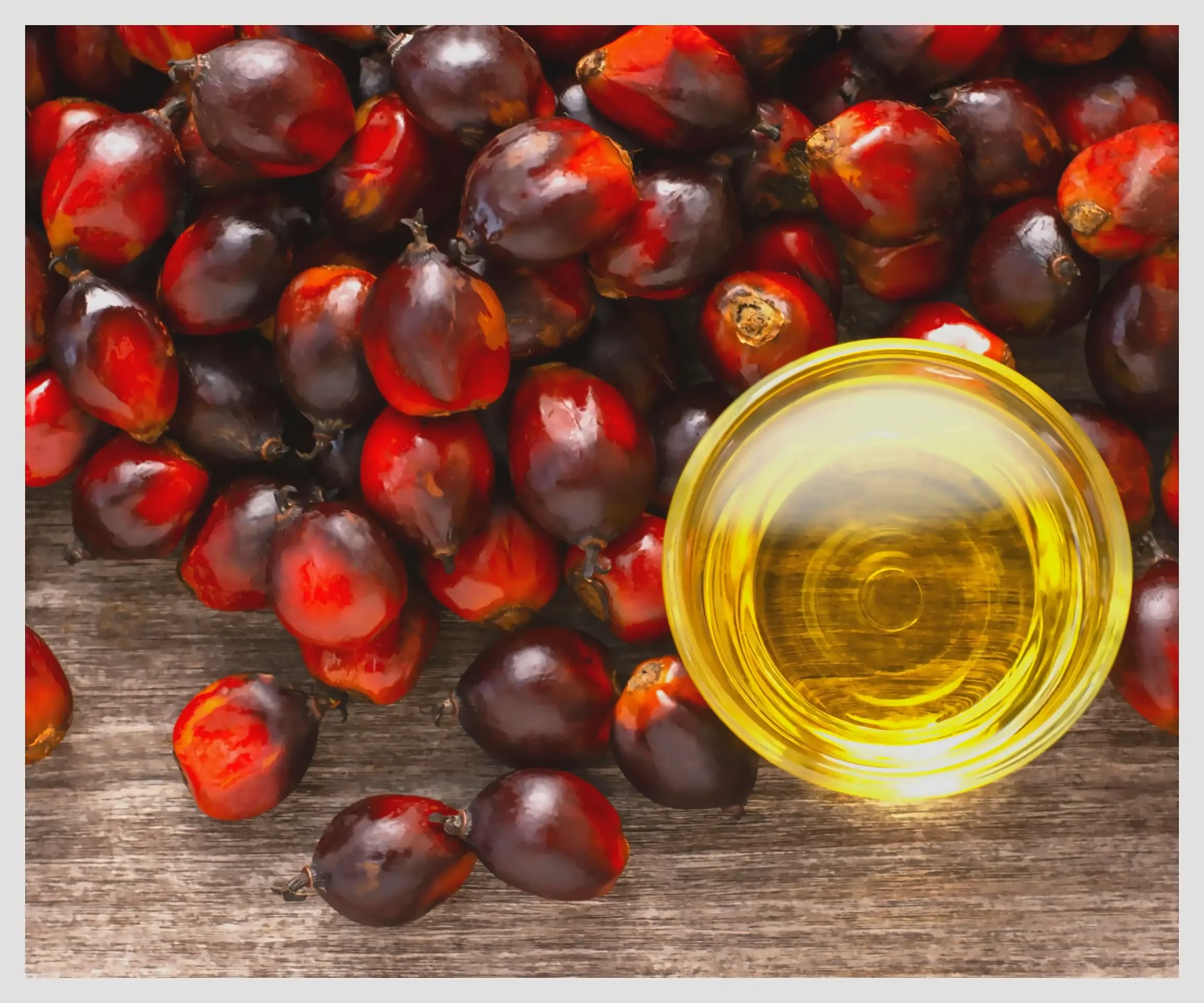
A Palm Conversations International India 2026 (PCI) held under the theme 'Bioactive power from the palm: Reimagining health for a world facing non-communicable diseases (NCDs)' has called for a broader understanding of palm oil. According to reports from The Hindu BusinessLine, the inaugural India edition was hosted by the Malaysian Palm Oil Council (MPOC) and brought together researchers, healthcare professionals, nutrition experts, policymakers and industry stakeholders to examine emerging evidence on Malaysian palm oil, its naturally occurring bioactive compounds and their potential relevance to health. The event was held with the support of the Indian Medical Association, the International Association of Dietitians for Metabolic Health and Nutrition and the Oil Technologists' Association of India. As reported by The Hindu BusinessLine, the conference emphasized that understanding palm oil should extend beyond its fat content to include overall dietary intake, molecular structure, cooking behaviour and health outcomes.
Vishal Malhotra, Senior Consultant – Healthcare representing Makreo Research and Consulting, India, highlighted that India's annual per-capita edible oil consumption is around 23.5 kg, compared with an Indian Council of Medical Research (ICMR)-recommended level of around 12 kg. As reported by The Hindu BusinessLine, this data underscores the importance of balanced diets in the Indian context. The conference emphasized that understanding palm oil should extend beyond its fat content to include overall dietary intake, molecular structure, cooking behaviour and health outcomes. Research does not support a simple claim that palm oil causes heart disease, with a systematic review published in the Journal of Clinical Lipidology finding no consistent evidence linking palm oil consumption with cardiovascular disease, although researchers noted limitations in the available studies.
A review of cardiovascular evidence presented at the conference, which screened 4,515 citations, found no consistent association between palm oil consumption and heart disease, stroke or cardiovascular mortality. According to the conference presentations reported by The Hindu BusinessLine, the review acknowledged limitations in the available evidence while highlighting that palm oil's naturally semi-solid structure allows it to provide functionality without partial hydrogenation, distinguishing it from industrial trans fats. The thermal and oxidative stability of palm oil was also discussed as a relevant consideration in cooking practices. Palm oil's semi-solid structure means it can be used without partial hydrogenation, the industrial process that can create harmful trans fats, but that does not automatically make palm oil a heart-protective food. Researchers are examining palm-derived tocotrienols and phenolic compounds, with early studies suggesting possible effects on inflammation and other biological processes, but clinical evidence remains limited.
The conference examined the emerging science of palm-derived bioactives, particularly tocotrienols and palm phenolics, and their potential relevance to NCDs. Roger Clemens, Adjunct Professor at the University of Southern California, USA, discussed early research exploring their potential role in areas including cardiovascular health and inflammation. As reported by The Hindu BusinessLine, experts stressed that this remains an evolving area of research, with further studies needed to establish safety, dosage, bioavailability and clinical significance. The oncology session, led by Dr Raghavendra Rao, examined emerging research on tocotrienols, with early human studies reporting encouraging findings including a 70% disease-stabilisation rate in a small Phase II study of recurrent ovarian cancer when delta-tocotrienol was combined with bevacizumab. However, larger clinical trials are needed before any therapeutic conclusions can be drawn. Experts emphasised that palm-derived bioactives are an emerging area of research, not substitutes for established NCD prevention or treatment, and called for moving beyond perceptions and labels to consider balanced diet, cooking practices and clinical evidence in understanding palm oil's role in NCD prevention and treatment.
Belvinder Sron, Chief Executive Officer of MPOC, stated that Palm Conversations International provides a platform for open, evidence-based scientific dialogue, bringing together experts from different disciplines to exchange knowledge and explore how science and nutrition can contribute to healthier lives. According to The Hindu BusinessLine, for Malaysia and India, the platform provides an opportunity to deepen collaboration in science, nutrition, healthcare and innovation. The Malaysian palm oil industry contributed RM 112.5 billion in export earnings in 2025, with MPOC maintaining strategic networks in key markets including China, India, the Middle East, Africa and ASEAN to enhance global presence of Malaysian palm oil. The message for consumers is therefore less dramatic but more useful: palm oil should be judged within the whole diet, not by a single label. And promising laboratory or early clinical findings should not be mistaken for proven medical benefits. The conference also highlighted the importance of dietary balance, with discussions calling for moving beyond perceptions and labels to consider balanced diet, cooking practices and clinical evidence in understanding palm oil's role in NCD prevention and treatment.