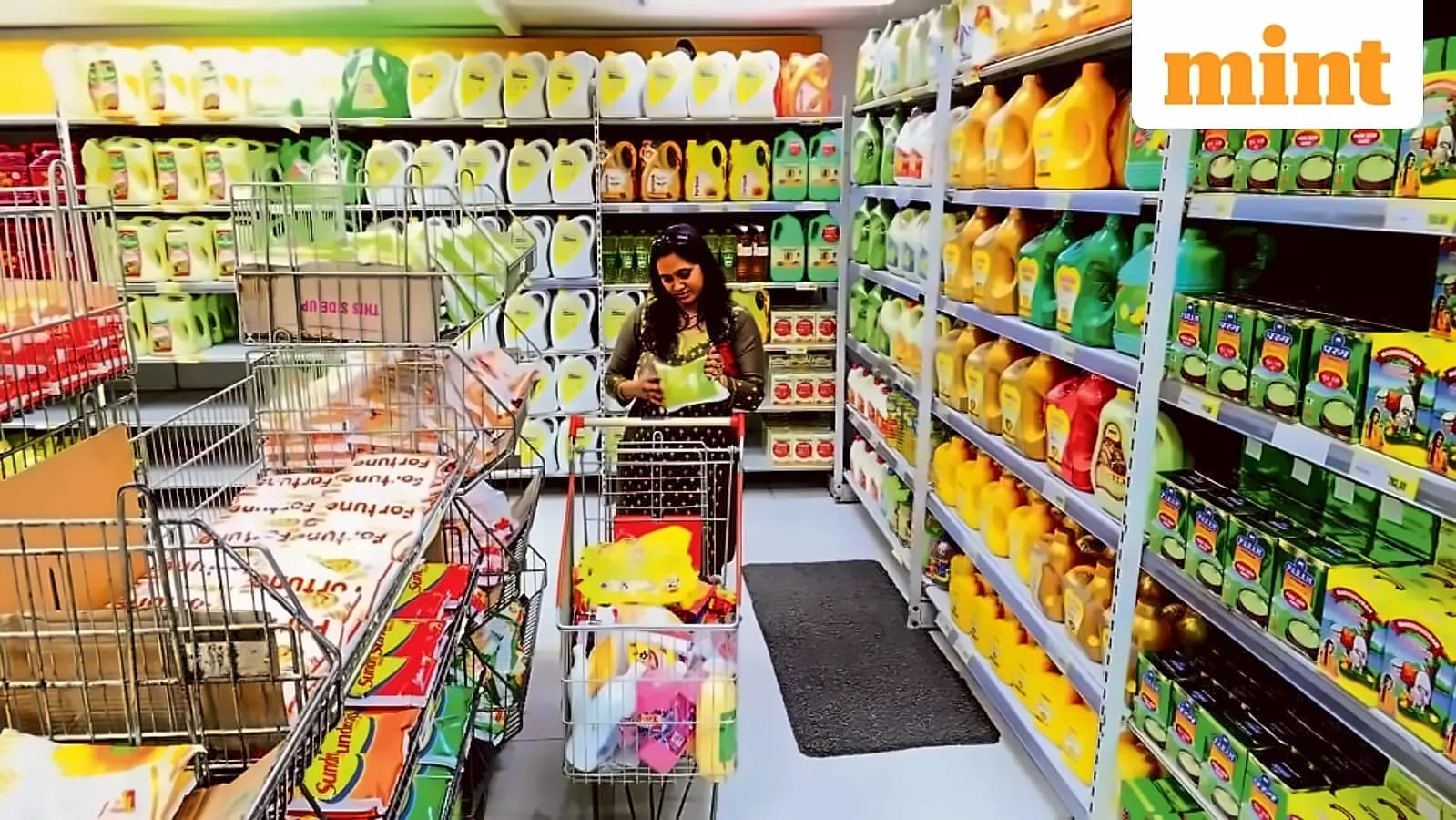
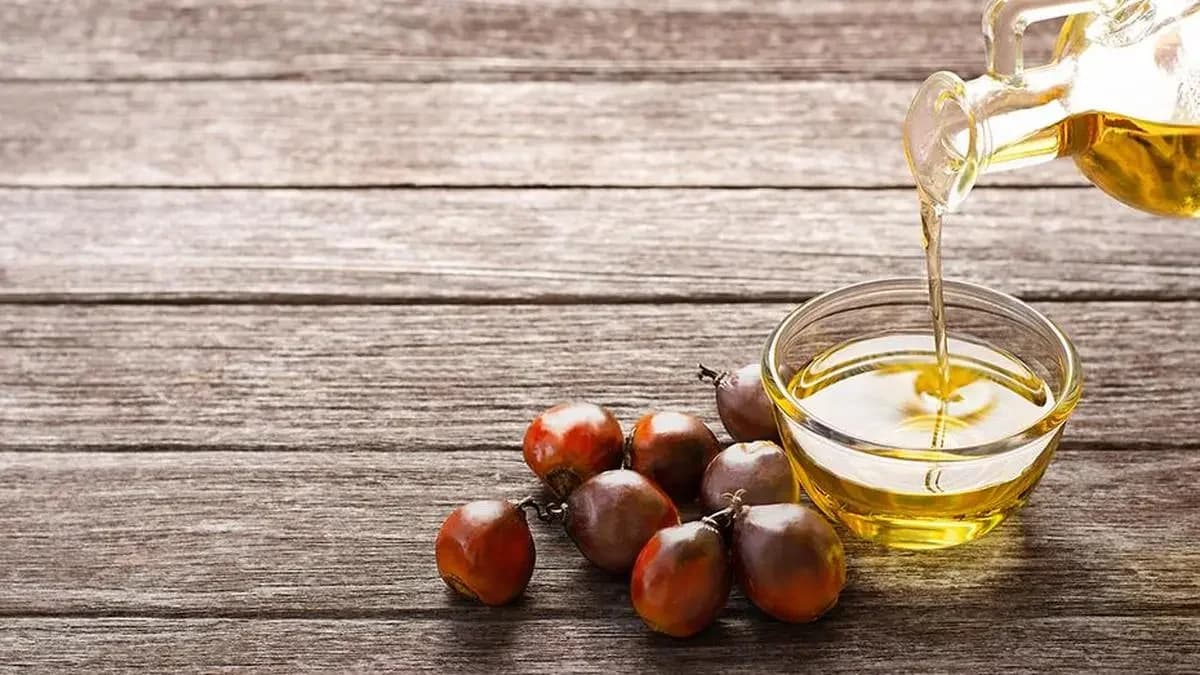
India is actively exploring alternative palm oil sources as Indonesia and Malaysia increase their biodiesel blending ratios, potentially diverting more palm oil from food to fuel applications. According to reports from Business Standard, Colombia has emerged as a potential destination for India to diversify its palm oil sourcing, with the country being the world's fourth-largest and Latin America's largest palm oil producer. A high-level delegation from the Solvent Extractors' Association of India (SEA) is expected to visit Colombia early next year to explore new avenues for palm oil sourcing, trade and cooperation. As per SEA's Executive Director Dr B V Mehta, "With Indonesia and Malaysia moving increasingly towards higher biodiesel blending, more palm oil is likely to move from food to fuel. India has to look ahead and explore alternative and complementary sources of supply."
The visit and potential cooperation follow high-level interactions between SEA and Colombian delegations during the recently concluded 29th Globoil conference in Mumbai. As reported by Business Standard, an MoU between SEA and Colombia's National Federation of Oil Palm Growers (Fedepalma) is expected to be signed soon, opening a new chapter in India-Colombia cooperation in the palm oil sector. The initiative follows a meeting between SEA and a Colombian delegation on the sidelines of SEA's 55th Annual General Meeting and 29th Globoil in Mumbai, with the Colombian delegation led by Victor Hugo Echeverri Jaramillo, Ambassador of Colombia to India, and Nicolás Pérez Marulanda, Executive President, Fedepalma. Angshu Mallick, President of SEA, described the invitation to visit Colombia and explore opportunities as a positive development, with SEA planning the delegation visit early next year.
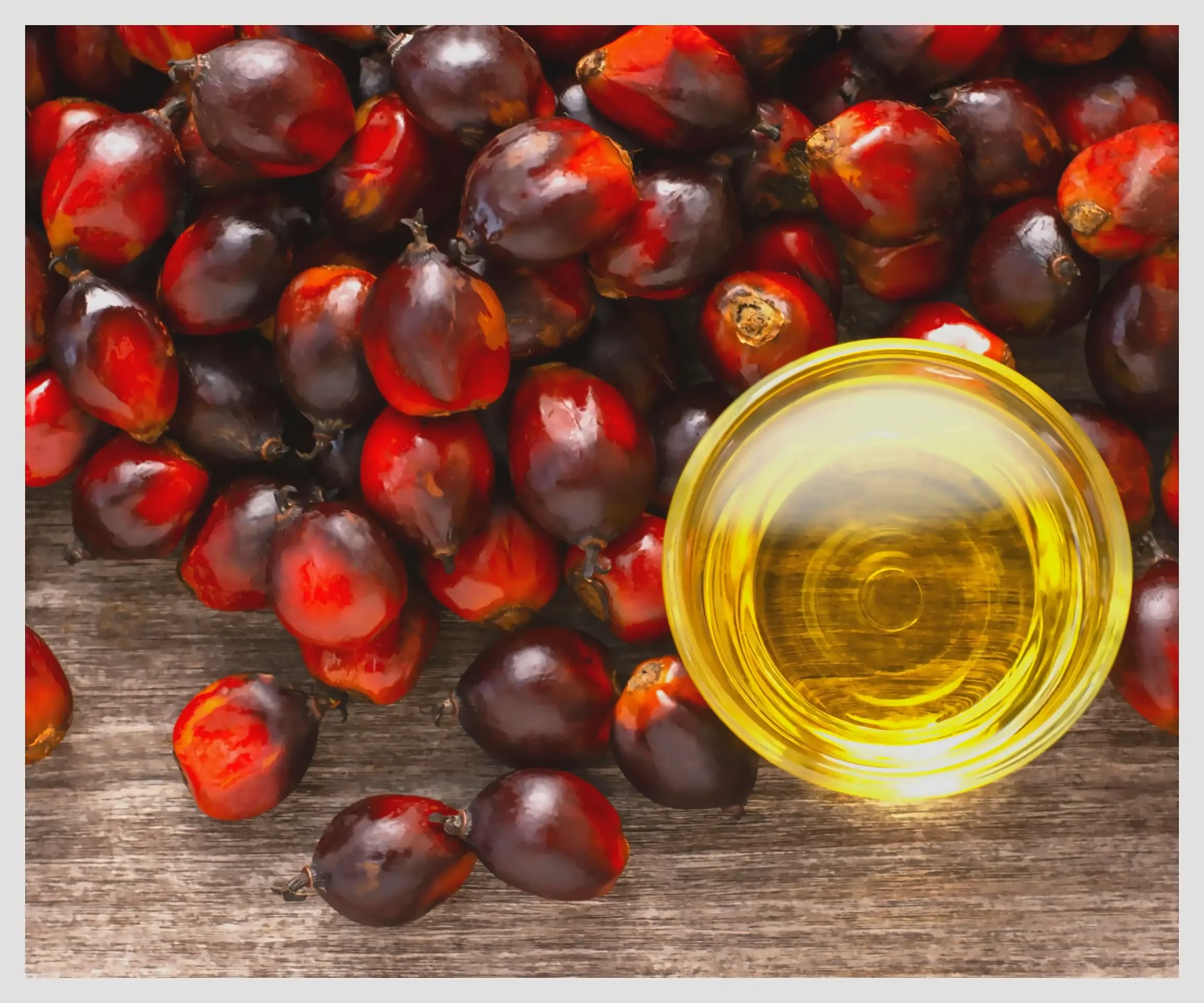
India's palm oil import landscape shows significant concentration with Indonesia and Malaysia contributing around 5.18 million tonnes, or 79% of India's total palm oil imports of approximately 6.53 million tonnes in the first 10 months of the 2025-26 edible oil marketing year. According to Business Standard, India imported close to 13.61 million tonnes of edible oils during this period, representing a 4.53% increase compared to the same period last year. While India traditionally imports around 200,000 tonnes of palm oil from Colombia on average, there is significant scope for increased cooperation given Colombia's substantial production capacity. SEA has already imported around 200,000 tonnes of crude palm oil from Colombia in recent times, demonstrating existing trade relationships.
The timing of India's diversification efforts is strategically aligned with recent policy changes, including recently reduced import duties on crude edible oils and the upcoming festive season driving renewed attention towards edible oil availability and affordability. As reported by Business Standard, Colombia accounts for almost 2 million tonnes of palm oil production annually, making it a significant alternative source for India's food security needs. The initiative addresses concerns over potential supply disruptions as Indonesia raised its biodiesel blend to 50% from 40% and Malaysia plans to increase blends from 10-15% to 15-20% in a phased manner. For SEA, the Colombia engagement is part of a broader strategy to prepare for future supply challenges and strengthen India's long-term edible oil security.