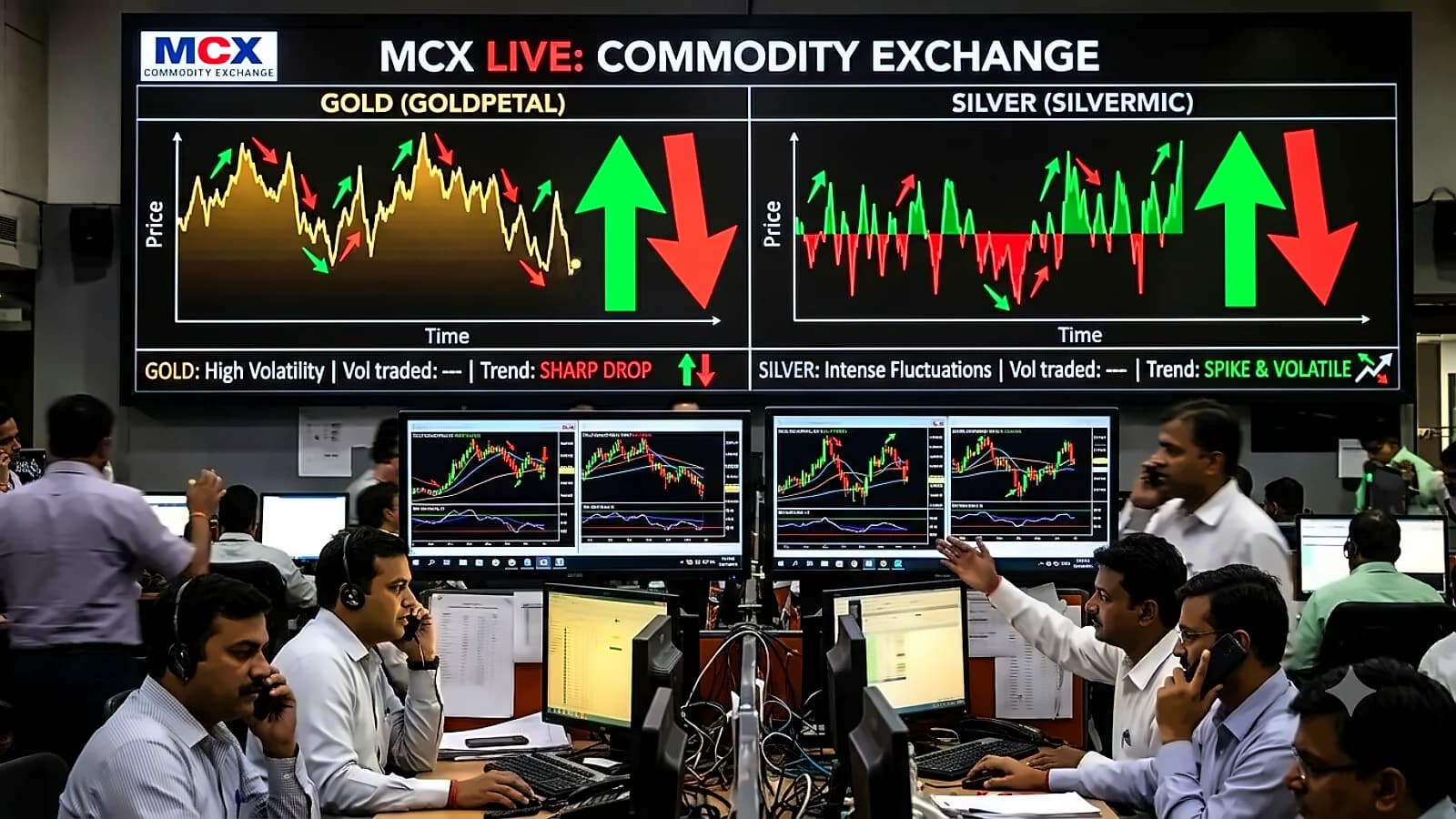
Gold prices continued their strong performance for a fifth consecutive session, with spot gold climbing 0.3% to $4,341.12 per ounce as of 0230 GMT, trading near a one-week high hit on Monday. U.S. Gold Futures for August delivery rose 0.2% to $4,361.10, extending gains from the previous session's 2.3% surge. The precious metal has maintained its rally momentum as investors await greater clarity on the US-Iran peace deal and the Federal Reserve's policy outlook. According to latest reports, gold's continued strength reflects a softer U.S. dollar and uncertainty surrounding the details of the proposed peace agreement, with markets closely tracking developments in the Middle East and global economic signals.
Market expectations for U.S. monetary policy have shifted dramatically, with traders now seeing a 59% chance of a U.S. rate hike in December, down from about 70% last week before the US-Iran peace deal announcement, according to the CME FedWatch tool. This represents a significant reduction in rate-hike expectations that has weakened the US dollar and reduced Treasury yields, creating additional support for precious metals. As per The Hindu BusinessLine, the pullback in oil prices has eased some upward pressure on interest rates and cooled rate-hike expectations, though the rally is losing some steam as focus turns to the Federal Reserve's policy decision. Gold loses its appeal when rates are high, as it does not yield interest, making the shift in rate expectations particularly significant for precious metals performance.
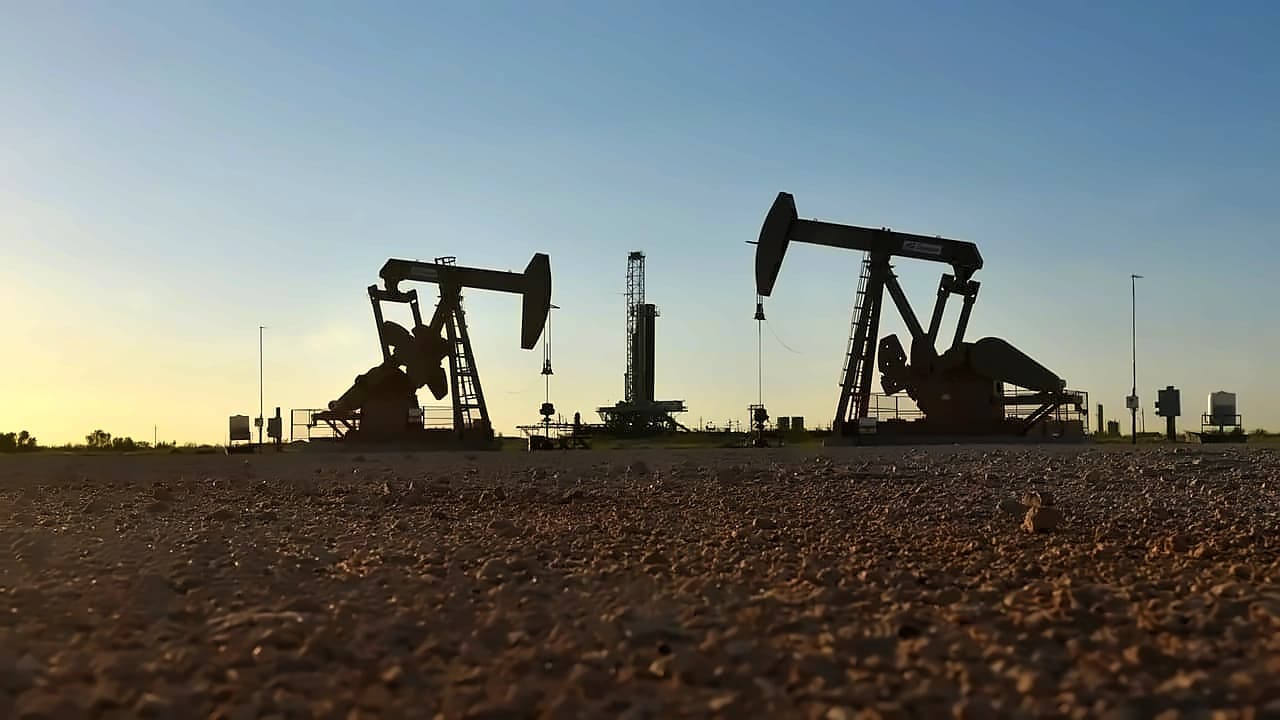
Details of a U.S.-Iran interim deal to end the Middle East conflict are emerging, with U.S. President Donald Trump saying it would rule out a nuclear weapon for Tehran and a U.S. official saying it would allow Iran to sell oil once signed. This development has significantly altered market expectations for oil supply disruptions, with oil prices hovering around a three-month low on news that Iranian fuel may soon hit global markets, easing inflationary concerns. The easing of geopolitical risks has reduced concerns about potential supply disruptions through the Strait of Hormuz, a critical global shipping route, with higher oil prices driven by the war having fueled inflation concerns and strengthened expectations that interest rates would stay elevated for longer.
Other precious metals demonstrated varied performance during the trading session, with spot silver rising 0.3% to $70.38 per ounce, platinum gaining 0.5% to $1,812.80, and palladium up 0.3% at $1,355.65. According to latest reports, silver and platinum also participated in the rally, reflecting renewed investor interest across the broader precious metals sector. The outperformance of silver suggests investors are seeking alternative safe-haven assets amid ongoing geopolitical uncertainties, while the gains across all precious metals indicate that markets are increasingly focusing on monetary policy expectations rather than geopolitical risk alone. Over the longer term, structural support for gold is expected to persist, driven by ongoing Asian demand and continued central bank purchases as a hedge against geopolitical and policy risks, according to Westpac analysts.
Investors are now focusing on the Federal Reserve's policy decision and remarks, due later in the day, with rates widely expected to remain unchanged. As per The Hindu BusinessLine, this marks the first FOMC meeting to be chaired by Kevin Warsh and traders still seem unsure about how he will reconcile a hawkish record, rising inflation, and pressure from a White House demanding a dovish pivot. The uncertainty surrounding the Fed's leadership and policy direction continues to influence precious metal prices, with any signals regarding future rate cuts continuing to influence precious metal prices in the weeks ahead. The U.S. dollar eased ahead of the Federal Reserve's policy announcement, with improving risk sentiment driven by optimism over the interim US-Iran peace agreement.